Yes, They Listen to Our Conversations
But here’s how we can begin to stop them.

You’re talking to your parents on the phone about crazy anti-vaxxers and suddenly all your news feeds are all about the evils of vaccines. And you’re like, ‘ah, that’s just a coincidence.” Then you’re looking at a Forbidden Planet Displate, iMessage it to your wife, and now her Facebook feeds are showing Forbidden Planet poster crap and she hates science fiction. You ask Google Home about how common is it for programmers to get fired and then 10 minutes later you get a Top Stories Email from Quora about Why do software developers get fired?
These ain’t coincidences. They are listening to your phone calls, reading your texts, scanning your photos, and tracking you across devices and apps from Google, Apple, Samsung, Facebook, iMessage, Facetime, Chrome, Firefox, Gmail, and so on.
Then they package up your information, transfer them to data brokers who resell it to other companies, government agencies, developers…basically anybody willing to pay.
And the scariest thing of all: Nobody Cares.
Why we don’t care

We already know we’re being spied upon. This is nothing new. We know that Facebook’s entire business model is based on collecting, analyzing, and selling our personal information. We know the United States government is sucking up every text, email, and phone call and storing it in PRISM. We know China’s Great Firewall does the same.
We know about cookie tracking, ad networks, AirTags, recording http traffic, following device IDs, and on and on the technology goes that we already know about.
And we don’t care. We don’t.
And why we don’t care is because we think it doesn’t matter. We think that at the worst case somebody tries to sell us something, because that’s our experience with surveillance: stupid shit that pops up in feeds and says, Click Me! Click Me! Click Me!
Or in some cases it’s helpful. Say they’ve listened to my conversations and then provided some links to news sources that go into greater detail on what I was talking about. Thanks! Or say I was looking at that Forbidden Planet poster and my phone is recommending I look at this other site because the poster is cheaper there. 💸💸💸
The convenience that tracking provides lends a certain blasé to the whole idea about tracking, and we just don’t care. It’s harmless. It’s helpful. It doesn’t matter.
But we should care
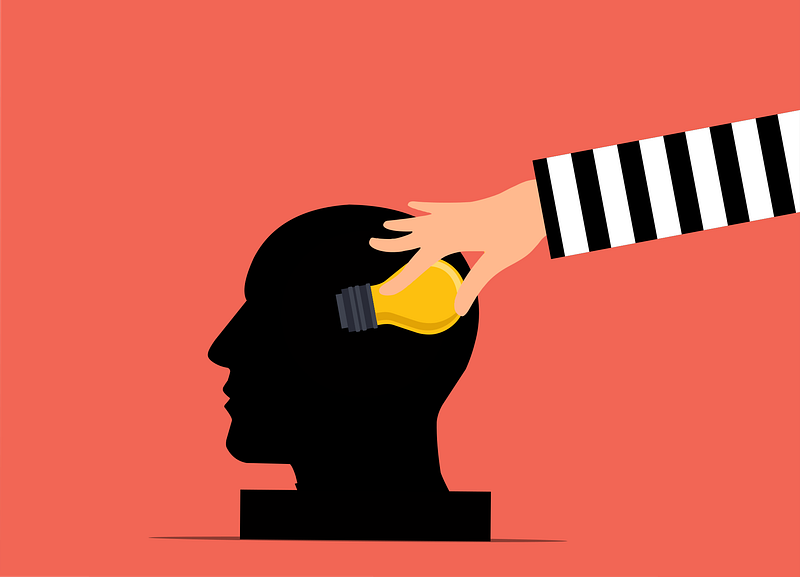
They are stealing from us. These companies and government bodies are going into our digital pockets and lifting out our most precious digital gems and then reselling them for hard cash.
Works like this: Facebook listens to your phone call, interprets that you’re interested in buying a poster, plunks a poster ad in your feed, and then when you click on it and make a purchase Facebook gets a sales commission.
No big deal, right?
Wrong.
Break that first bit down into its deeper details. Facebook is listening to a private conversation and interpreting your wants, ideas, worries, fears, love, hates, and then monetizing that data.
And still you say it’s no big deal because they are helping you find what you want, right?
Wrong.
This isn’t like a salesperson forwarding you to a buyer to get a commission and it’s no big deal. This is somebody hiding under your bed at night and surreptitiously listening to you talk to your wife and then using that information to manipulate you into buying something.
Still don’t care?
Well, maybe you will when we take this tech to the next level.
The next level of tracking
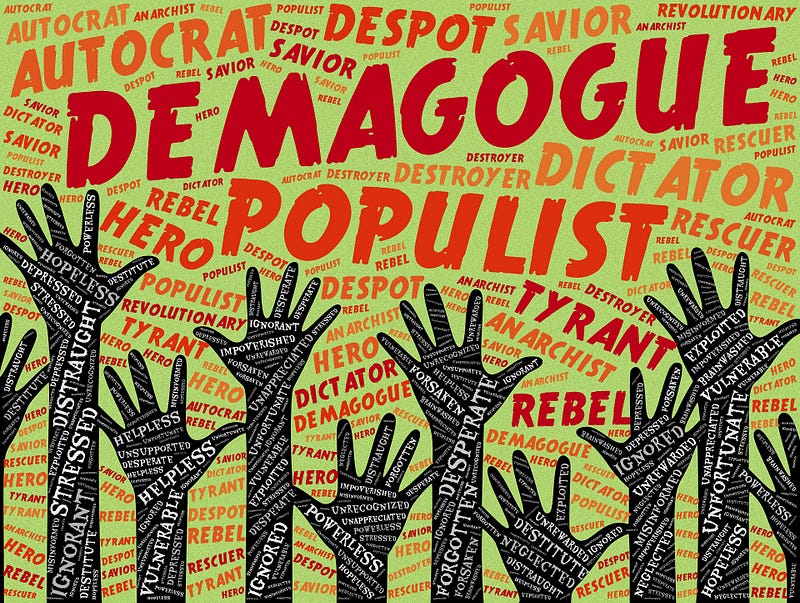
Facebook getting a sales commission by spying on you is nothing compared to the next level this technology can take us.
Next level:
You’re Vladimir Putin and you’re putting together a kill list of all the people in Ukraine you want liquidated when you take over. You’re going to want a list of all the people that hate Russia and support democracy. So you’re going to get your AI bots to scan through Ukraine’s data (texts, emails, photos, phone calls, etc) to find people whose sentiments are against you, and then target them.
Next level:
You’re the next Hitler and you hate a race of people and want them destroyed.
You can use facial recognition systems to identify photos of people that fit the race profile you hate, scan the backgrounds of their photos to identify any individuals they are with, identify when the photo was taken, and use the phone’s geolocation to identify where these people are and then send your Gas Vans to them.
But maybe you think that could never happen because that data is secure? That companies would never give your data to a despot?
Wrong.
Firstly, all these companies have data breaches, so even if they don’t want to give their data up, they are giving it up.
Secondly, all companies have to adhere to the guidelines and laws of the countries they operate in. Else, they are not allowed to operate in those countries. And you can bet your bottom dollar, the countries run by despots have rules that allow them to collect that data and do whatever the hell they want with it.
What do we do?

Honestly, it’s already too late. Every device and app you have ever used has collected data on you and that data has been hacked or wantonly sold to the highest bidder.
Your data is in some system, somewhere on this Earth and will be used against you sometime in the future. Used to either monetize, track, ostracize, discriminate, or even in some cases kill you.
You can possibly try and turn the tracking off: https://www.theguardian.com/commentisfree/2015/feb/10/six-ways-tech-spying-how-turn-off But I highly doubt switching these things off does a damned thing.
The only thing we can do is change our mindsets on personal data. We need to start thinking about our data in the same ways that companies think about our data. And that is: data is a commodity.
These companies are mining us, drilling down into our private conversations, internet history, personal text, emails, chats, and so on to extract our data and spin it into gold.
In the Metaverse, your personal data is the only thing of value. It’s the gold in the digital mountains and we’re giving it away for free.
I want to be paid for companies mining my data from me. I want them to sign a digital mining claim with me and I want to be able to revoke that claim whenever it suits me. I want us to treat mining rights for digital commodities the same way we treat mining rights for physical commodities (gold, jade, silver diamonds). If you’re going to mine on my land, then it’s only through my say so that you get to do it and I want a cut of what you pull out.
That’s fair isn’t it?
No, this won’t solve the world overnight. Or the next night or even the next night for that matter.
But if we move our minds in the right direction we can move the world in the right direction.
#DataMiningRights