avatarKaori Mitsui

Free AI web copilot to create summaries, insights and extended knowledge, download it at here

998

Abstract

had to check with them how they were doing, and other students would throw some questions at me both about what they were working on and other unrelated matters.</p><p id="16f5">Things different from real school are: students and/or parents get to book the time slot, and subjects and the level they want to be taught. As for the teaching side, it is to help students improve their weaknesses and support their strengths. To overcome “weaknesses” sounds too big. But it’s all about extra learning to cover what they didn’t get at school, besides, to review what they already knew.</p><p id="430b">And for others, it’s all about moving ahead because they can just do ridiculously well. Besides, it is their extra learning that their parents are paying for, so creating an incentive, allowing a little thing that they can do, a little chat for example with their favorite teacher and friends can create the extra learning space as a fun place as possible, not a place they’ve been forced to put in an

Options

d doing unreasonable exhausting learning.</p><p id="d81f">Throughout my days spending time teaching them made me realized again that people are so unique already at very early ages. Too unique to put them into one of the two categories: introvert or extrovert.</p><p id="687e">Thank you for reading!</p><p id="bdba">Next will be 3. Learning Materials</p><div id="cec6" class="link-block"> <a href="https://readmedium.com/x-things-i-learned-from-teaching-young-children-1-age-65c3cc2ba8df"> <div> <div> <h2>X Things I Learned From Teaching Young Children — 1. Age</h2> <div><h3>Unexpected results and potentials.</h3></div> <div><p>medium.com</p></div> </div> <div> <div style="background-image: url(https://miro.readmedium.com/v2/resize:fit:320/1*PcHl6_O3yTTXdQ4Qrhi5Eg.jpeg)"></div> </div> </div> </a> </div></article></body>

X Things I Learned From Teaching Young Children — 2. Character

No one acts the same.
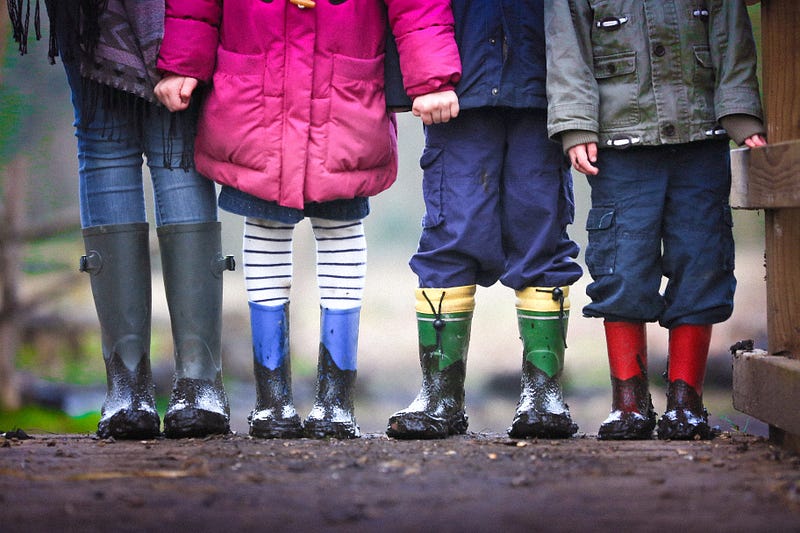
Photo by Ben Wicks on Unsplash

2. Character

Introvert and extrovert individuals. Their favorite sports, games, and so on may give you the basic idea of how to engage with them when they need a break or get bored from their reading and writing materials.

Sometimes a little chat can make them smile and shift their mind away from boredom for just a little while and gear back to study.

For some students, I had to check with them how they were doing, and other students would throw some questions at me both about what they were working on and other unrelated matters.

Things different from real school are: students and/or parents get to book the time slot, and subjects and the level they want to be taught. As for the teaching side, it is to help students improve their weaknesses and support their strengths. To overcome “weaknesses” sounds too big. But it’s all about extra learning to cover what they didn’t get at school, besides, to review what they already knew.

And for others, it’s all about moving ahead because they can just do ridiculously well. Besides, it is their extra learning that their parents are paying for, so creating an incentive, allowing a little thing that they can do, a little chat for example with their favorite teacher and friends can create the extra learning space as a fun place as possible, not a place they’ve been forced to put in and doing unreasonable exhausting learning.

Throughout my days spending time teaching them made me realized again that people are so unique already at very early ages. Too unique to put them into one of the two categories: introvert or extrovert.

Thank you for reading!

Next will be 3. Learning Materials

Character
Teaching
Learning
Study
Children
Recommended from ReadMedium