
WWII: Oppenheimer - The Manhattan Project & The Quest for Nuclear Power
Unleashing the atom — the frightening genesis of the nuclear age
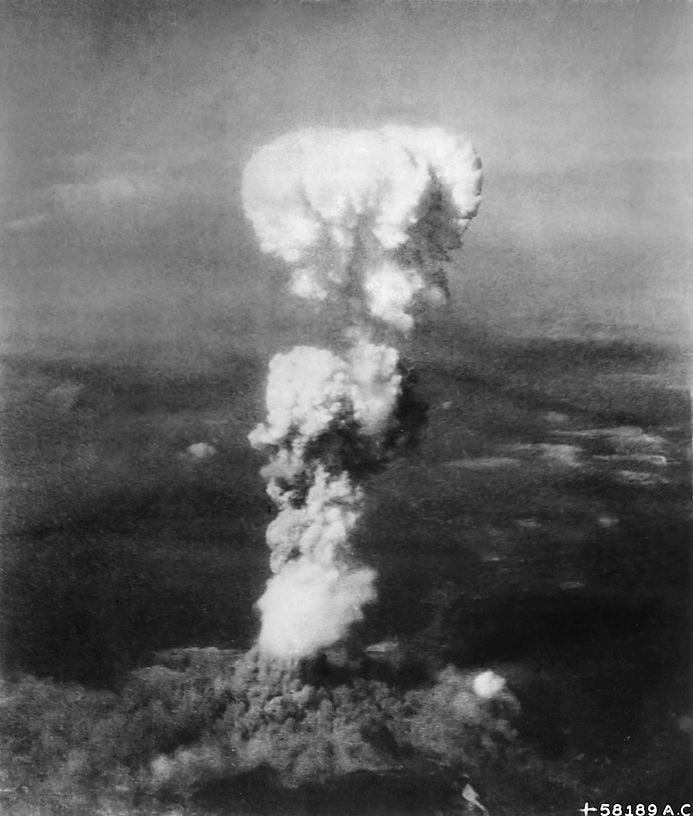
“The worst lie ever told is that it is easier to destroy than to create. This lie makes people apathetic about a number of imminently avoidable horrors, particularly the nuclear ones.
But Oppenheimer didn’t just go outside one day and trip over an atomic bomb. Nuclear development required trillions of dollars and a massive sustained effort by America’s top politicians, military advisors, and scientific geniuses. Not one damn bit of it was easy. It was certainly harder than sitting down with Stalin or Khrushchev and having a talk . . .
America had options. The path of destruction was a choice. It has always been America’s choice, and we citizens have always shrugged, assuming it’s too late to turn back the doomsday clock, although we’re the ones who wound it in the first place”.
― Israel Morrow, Gods of the Flesh
Origins and Initial Endeavors
In the history of science (and the world), few endeavors have had as big an impact as the Manhattan Project. Born out of the crucible of World War II, this top-secret research program aimed to unlock the power of the atom and forever change the course of warfare. Its roots can be traced back to the early 20th century when scientific breakthroughs laid the groundwork for the nuclear age.
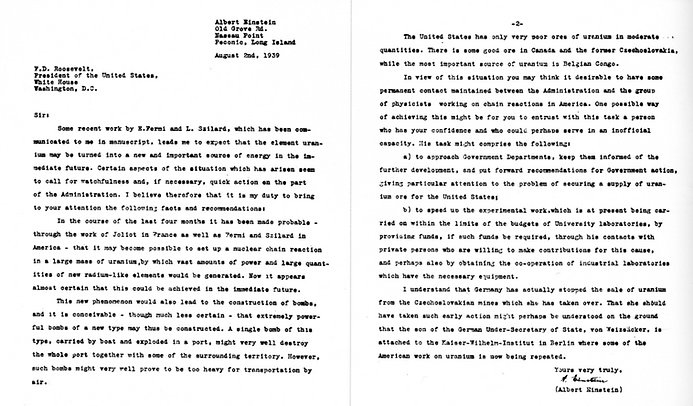
At the heart of the Manhattan Project was the quest for a viable atomic weapon, a journey that required groundbreaking research into the physics of atomic particles. This ambitious undertaking was ignited by a letter written by Hungarian physicist Leo Szilard and signed by Albert Einstein (known as the Einstein-Szilard Letter).
It was sent to President Franklin D. Roosevelt in 1939 and warned of the potential for a new and devastating kind of weapon. Concerned that Nazi Germany might harness the destructive power of nuclear fission, Roosevelt authorized the formation of the Advisory Committee on Uranium, which marked the first steps toward the creation of the Manhattan Project.
USA Enters The War
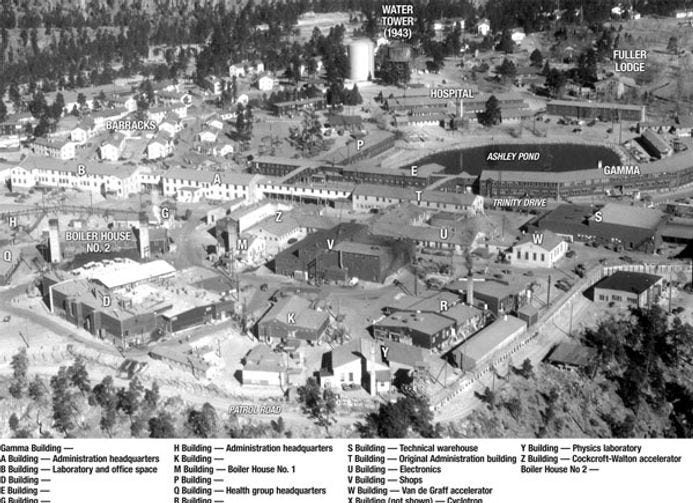
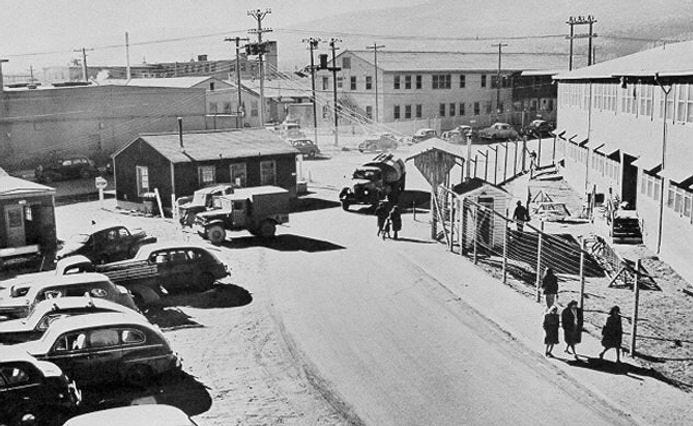
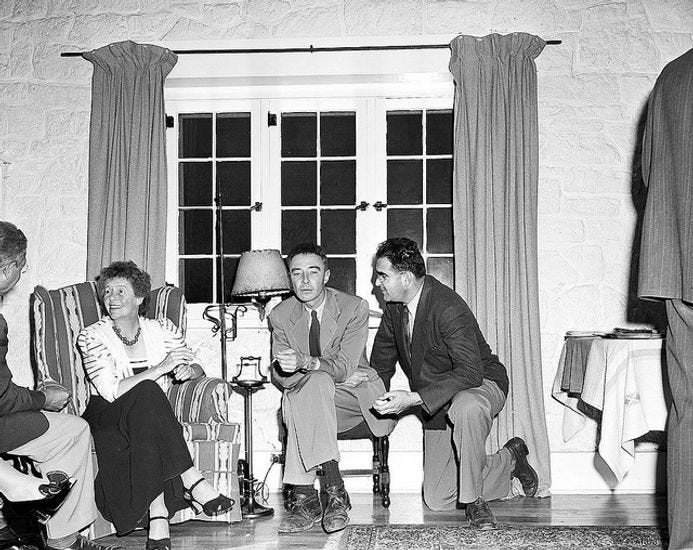
The project’s scope expanded exponentially in 1942, following the United States’ entry into the war. Under the leadership of Brigadier General Leslie R. Groves, a seasoned military engineer, and with the scientific direction of physicist J. Robert Oppenheimer, a select group of the world’s brightest minds converged on a remote location in Los Alamos, New Mexico. This isolated enclave became the birthplace of the atomic bomb.
I remember the spring of 1941 to this day. I realized then that a nuclear bomb was not only possible — it was inevitable. And I had then to start taking sleeping pills. It was the only remedy, I’ve never stopped since then. It’s 28 years, and I don’t think I’ve missed a single night in all those 28 years.
— Sir James Chadwick
The Uranium Hunt
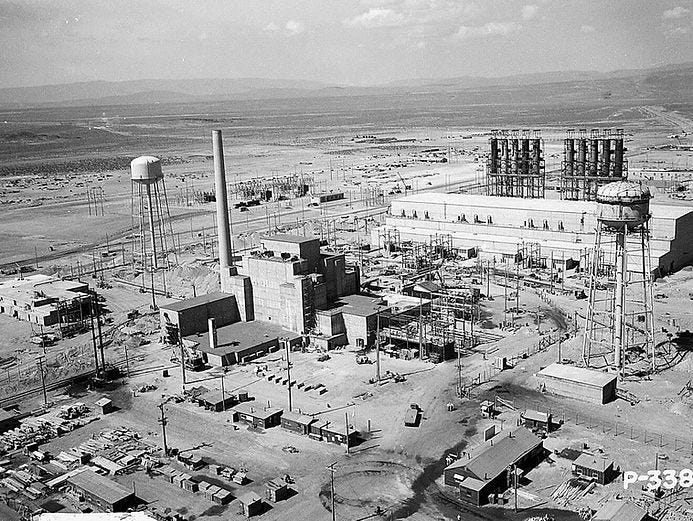
To harness the energy of the atom, the Manhattan Project required vast quantities of specific materials. Chief among them was uranium-235, an isotope capable of sustaining a nuclear chain reaction. Obtaining this rare and highly coveted element presented a significant challenge. The project established a network of facilities across the United States to produce the necessary fissile material. The most notable of these was the massive Hanford Engineer Works in Washington State, where reactors produced plutonium-239, an alternative to uranium-235 (read more below).
Secrecy & Espionage
Secrecy was paramount throughout the Manhattan Project’s lifespan. The entire enterprise was shrouded in a veil of utmost secrecy, with participants bound by stringent security measures. The project operated under a cover name — initially “Development of Substitute Materials” and later “Manhattan Engineer District” — to divert attention from its true purpose. Security clearances were rigorously enforced, and the dissemination of information was limited to a need-to-know basis.
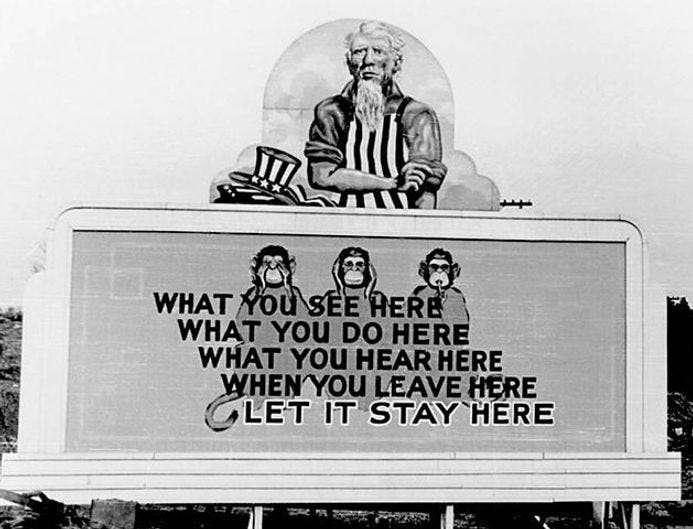
The preservation of secrecy proved essential in a world rife with espionage and intelligence operations. Although the Soviet Union was an ally during the war, suspicions grew regarding their intentions in the post-war world. As a result, Soviet espionage targeted the Manhattan Project from its early stages.
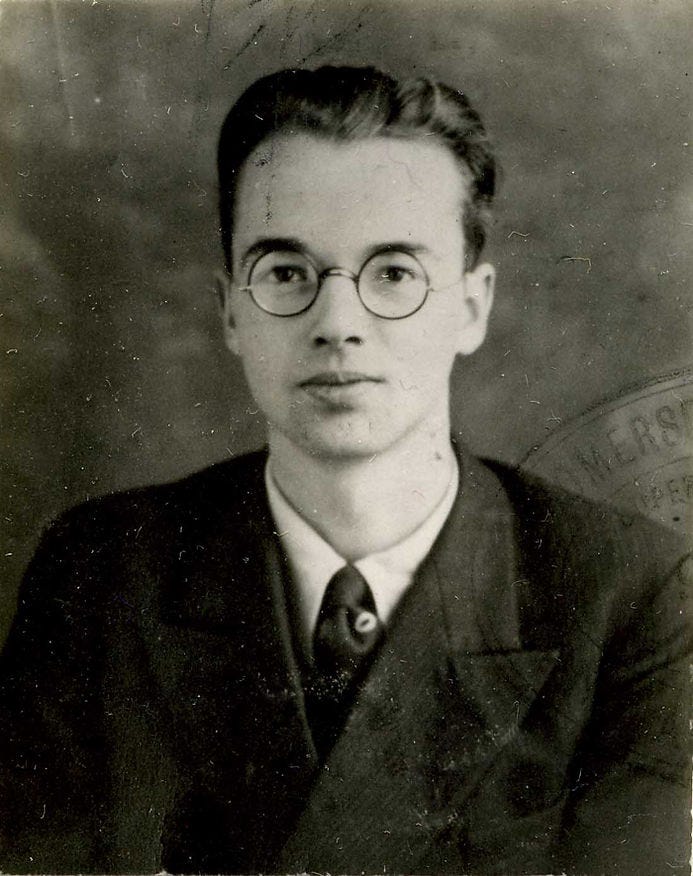
Soviet spies, most notably Klaus Fuchs and Theodore Hall, infiltrated Los Alamos and passed classified information to Moscow. These acts of espionage raised concerns about the longevity of American nuclear dominance and contributed to the escalating tensions of the Cold War era.
Materials, Personnel, and Technical Challenges
The success of the Manhattan Project hinged upon the availability and mastery of the materials required to harness the energy of the atom. Obtaining and refining these elements posed immense challenges, pushing the boundaries of scientific knowledge and industrial capabilities.
Uranium-235, the primary fissile material needed for an atomic bomb, is a rare isotope that constitutes only 0.7% of naturally occurring uranium. To separate this isotope from the more abundant uranium-238, the project employed a revolutionary technique called gaseous diffusion.
This method involved passing uranium hexafluoride gas through a series of barriers with progressively smaller holes. The lighter uranium-235 molecules would diffuse slightly faster, allowing for their enrichment.
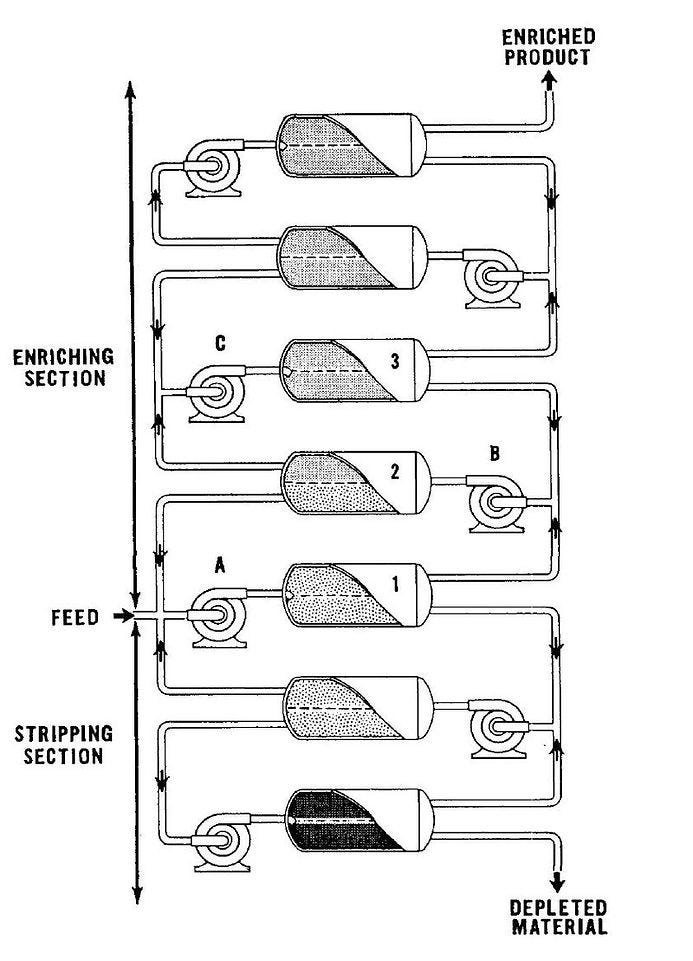
Another enrichment method employed by the Manhattan Project was electromagnetic separation, which utilized powerful magnets to separate the isotopes based on their mass-to-charge ratio. The principle was similar to a mass spectrometer, with the heavier uranium-238 atoms being deflected more than the lighter uranium-235 atoms.
In addition to uranium-235, plutonium-239 emerged as an alternative fissile material during the project. Plutonium-239 could be produced by irradiating uranium-238 in a nuclear reactor. To facilitate this, the Hanford Engineer Works in Washington State was established, comprising large reactors that utilized graphite as a moderator and produced plutonium through a process of neutron capture and beta decay.
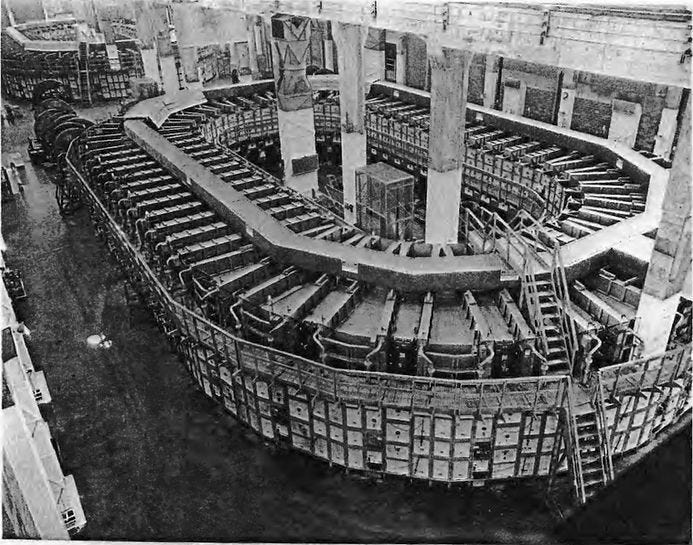
The procurement and processing of these materials required an immense industrial effort. The project established numerous facilities across the United States, including the Oak Ridge Reservation in Tennessee, where the gaseous diffusion plant was located, and the Hanford Engineer Works for plutonium production. These sites employed thousands of workers and operated around the clock to meet the demands of the Manhattan Project.
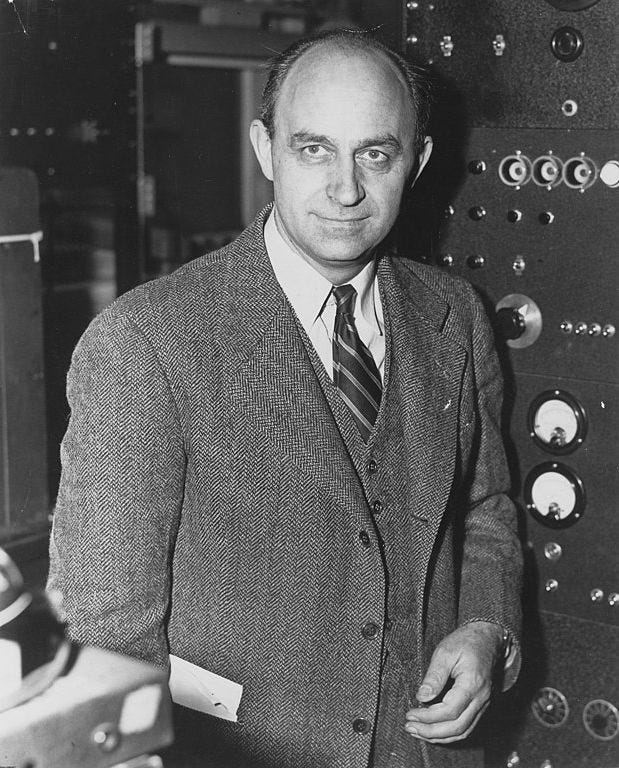
The success of the Manhattan Project can also be attributed to the brilliant minds that were assembled to tackle the scientific challenges it posed. Led by physicist J. Robert Oppenheimer, the project’s scientific personnel consisted of a veritable who’s who of the scientific community. Prominent scientists such as Enrico Fermi, Hans Bethe, Richard Feynman, and Niels Bohr (working under the assumed name of Nicholas Baker while in the United States), among many others, lent their expertise to the development of atomic weapons.
The collaboration between scientists and engineers from various disciplines was crucial to the project’s success. Theoretical physicists provided the fundamental understanding of atomic physics, while engineers designed and constructed the intricate machinery necessary for the enrichment and production of fissile materials. This interdisciplinary approach fostered innovation and pushed the boundaries of scientific and technological knowledge.
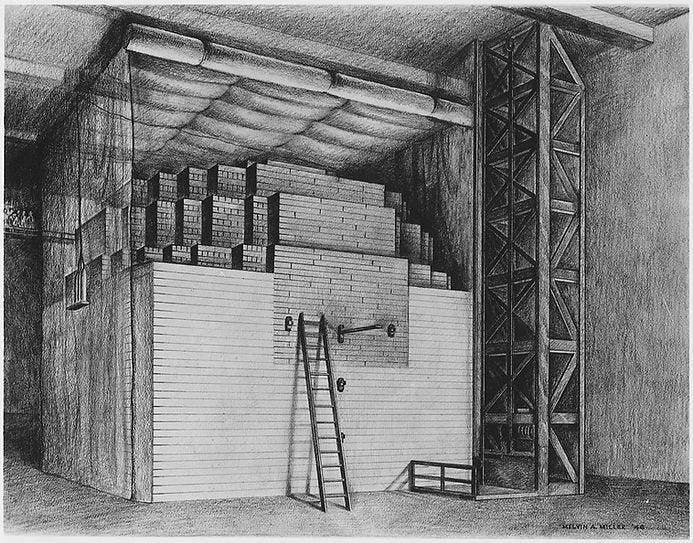
However, the project was not without its technical challenges. The construction of the first nuclear reactor, known as the Chicago Pile-1, presented a formidable task. The reactor, which utilized graphite blocks as a moderator, required precise control of neutron flux to achieve a self-sustaining nuclear chain reaction. Under the leadership of Enrico Fermi, scientists and engineers overcame these challenges, successfully demonstrating controlled nuclear fission on December 2, 1942.
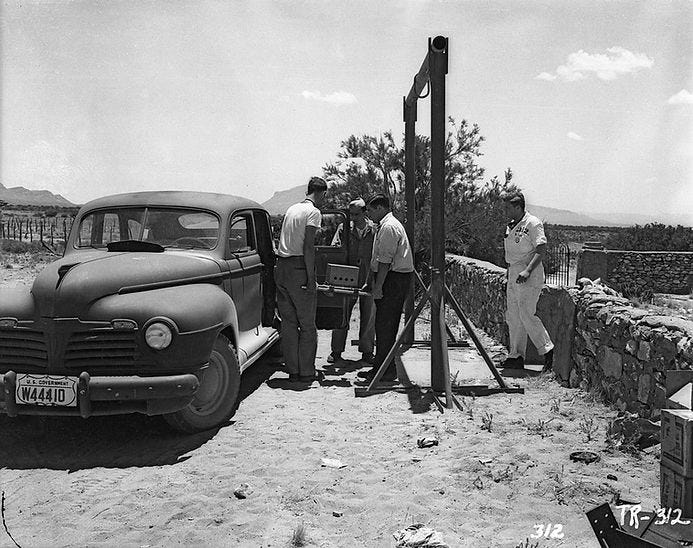
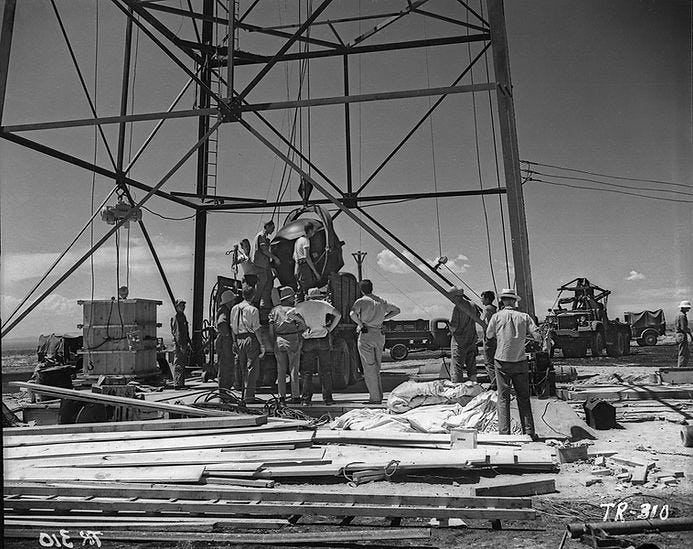
Furthermore, the development of a practical atomic bomb necessitated the design and engineering of an intricate and delicate device capable of achieving critical mass and initiating a chain reaction. This involved the precise assembly of fissile material, explosives, and triggering mechanisms within a compact and reliable package. Achieving this required tremendous effort and expertise, with numerous trial-and-error experiments conducted at Los Alamos and other research facilities.
Unleashing Destruction — Hiroshima and Nagasaki
The fateful moment arrived in the summer of 1945 when the United States made the harrowing decision to deploy the atomic bomb as a weapon of war. On August 6, the city of Hiroshima became the target of the first atomic bomb, code-named “Little Boy.”
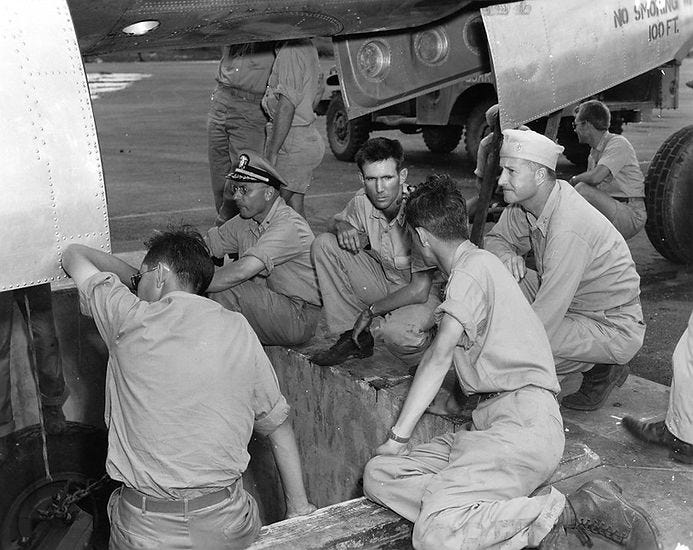
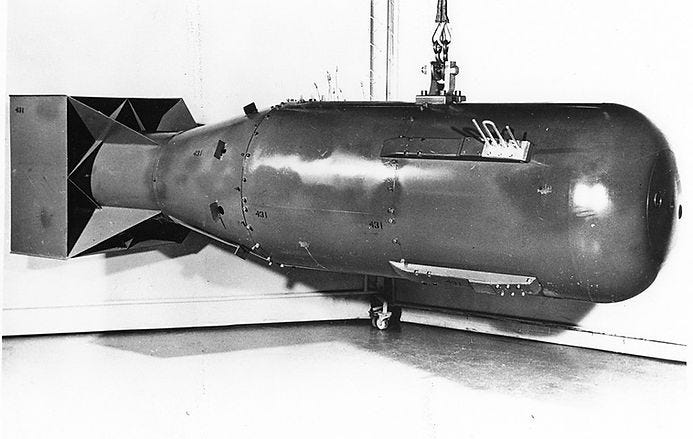
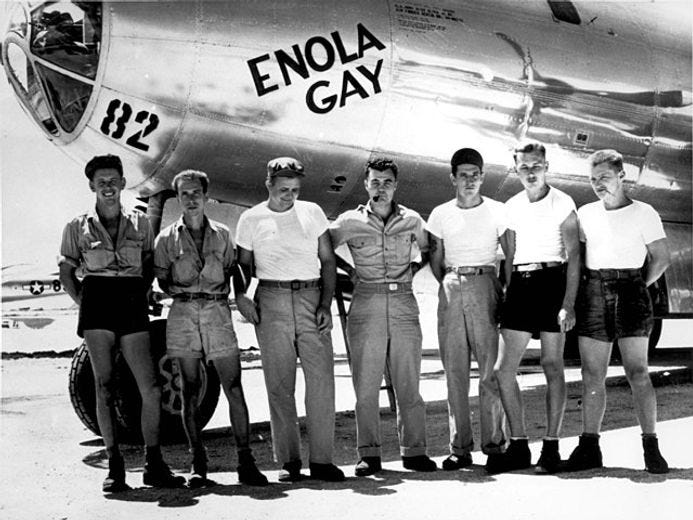
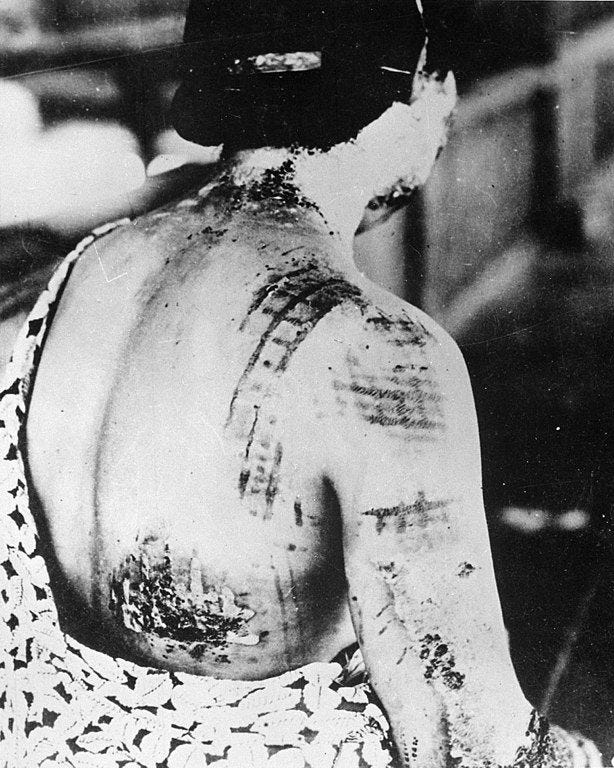
The bomb, powered by uranium-235, detonated with a force equivalent to approximately 15,000 tons of TNT, instantly leveling the city and causing unprecedented devastation. An estimated 70,000 to 80,000 people perished in the immediate aftermath, and tens of thousands more would succumb to injuries and radiation sickness in the following weeks and months.
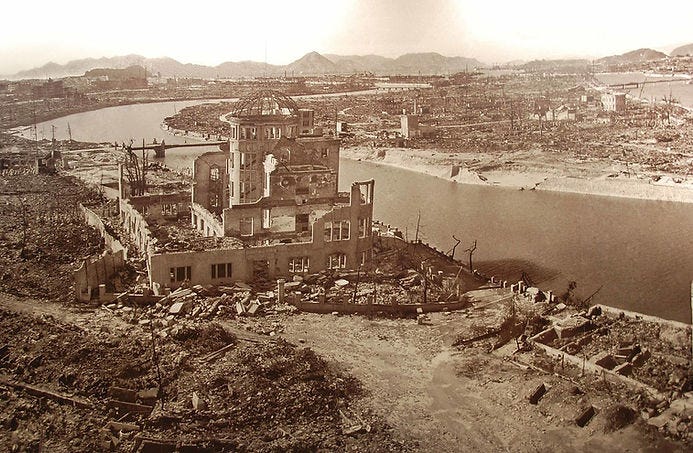
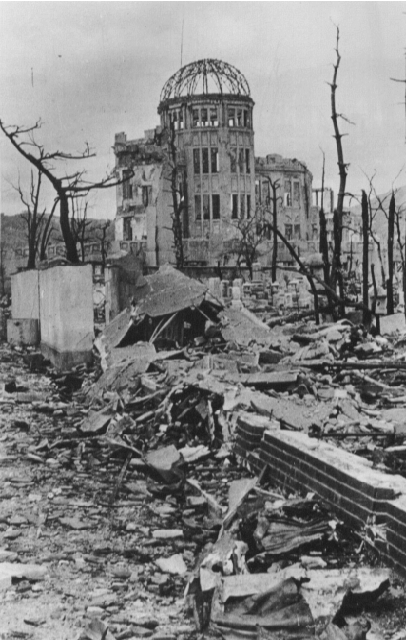
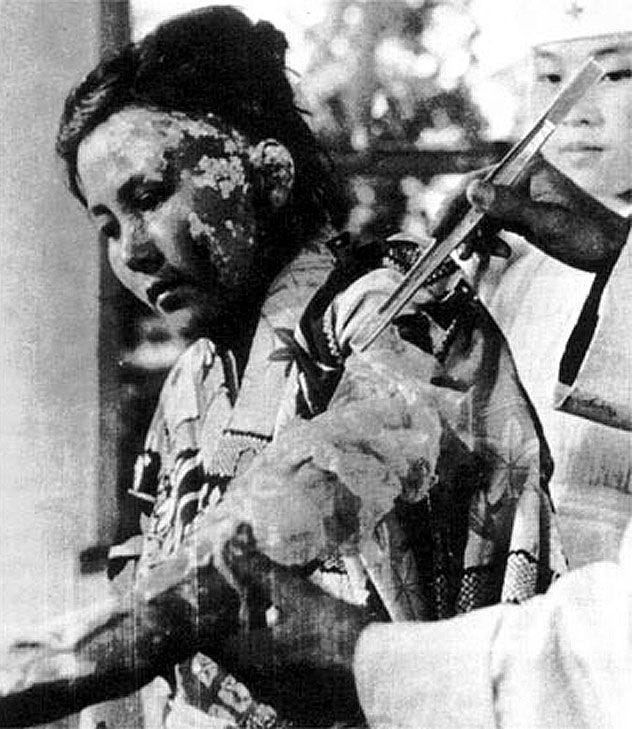
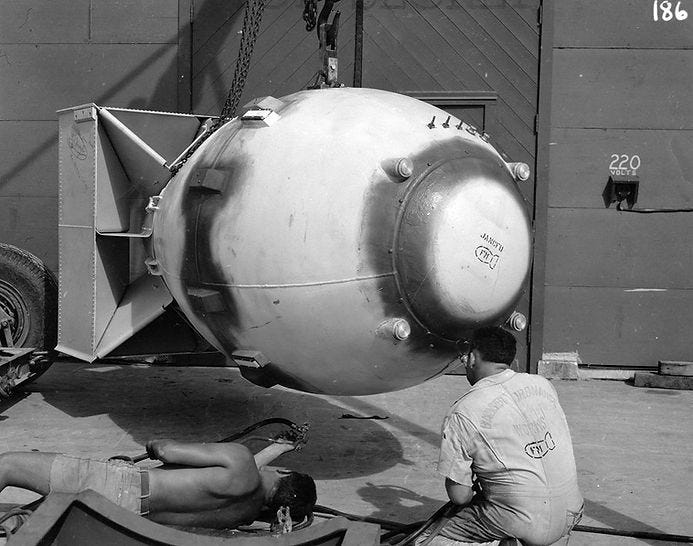
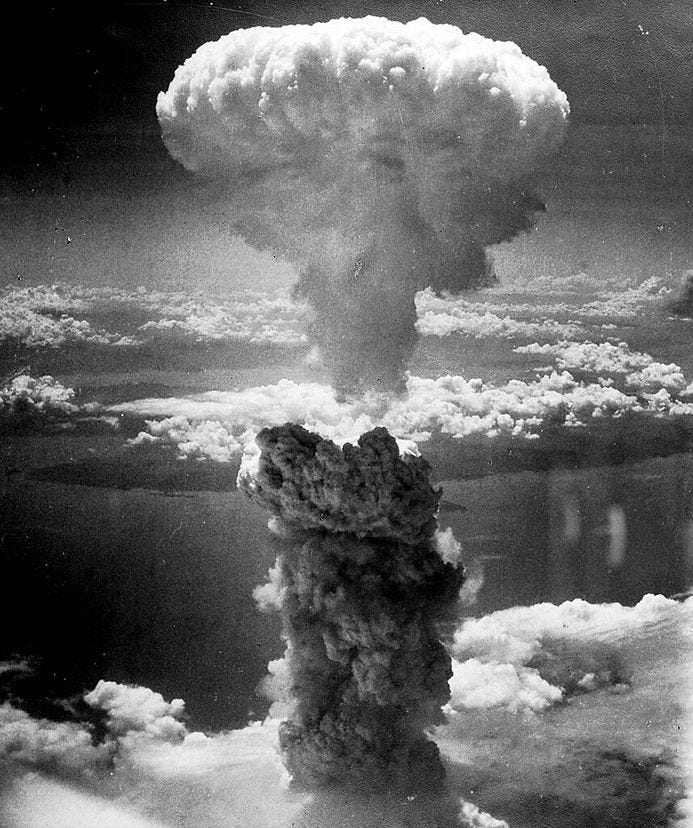
The bombing of Hiroshima sent shockwaves around the world. The destructive power of the atomic bomb was demonstrated on an unimaginable scale, and it became abundantly clear that the rules of warfare had forever changed. Yet, despite the catastrophic loss of life, the Japanese government did not immediately surrender, prompting the United States to drop a second atomic bomb on Nagasaki on August 9. The plutonium-based weapon, known as “Fat Man”, caused similar devastation, leading to the deaths of an estimated 40,000 people.
The Ethical Implications
The bombings of Hiroshima and Nagasaki marked the culmination of the Manhattan Project’s mission to develop a practical atomic weapon. The project’s scientists and engineers had successfully harnessed the power of the atom, but the ethical implications of their creation would cast a long and haunting shadow. The unprecedented loss of civilian life raised profound moral questions and ignited a global debate about the use of nuclear weapons.
Within the Manhattan Project, discussions about the ethical dimensions of atomic weapons were not absent. Several scientists, including J. Robert Oppenheimer, expressed concerns about the devastating impact of the bombs and the potential for escalating arms races. Oppenheimer, who had played a pivotal role in leading the scientific efforts at Los Alamos, famously stated after witnessing the successful test of the first atomic bomb:
“Now I am become Death, the destroyer of worlds”.
His words reflected the moral weight of the project’s accomplishment and the existential challenges it posed.
In the aftermath of the bombings, the world grappled with the implications of this new era of warfare. The destruction and horror witnessed in Hiroshima and Nagasaki spurred a global movement for disarmament and the prevention of future nuclear catastrophes. The United States, having demonstrated its atomic prowess, soon found itself at the center of discussions regarding international control and regulation of nuclear weapons.
The Postwar World
The postwar era witnessed a complex interplay of diplomatic negotiations, scientific advancements, and political maneuvering. The United States, keen to maintain its atomic monopoly, initially kept tight control over nuclear technology. However, the Soviet Union’s successful acquisition of atomic weapons in 1949 shattered America’s nuclear dominance and set the stage for the Cold War arms race.
The proliferation of nuclear weapons posed a grave threat to global security, prompting efforts to establish mechanisms for arms control and non-proliferation. The creation of the United Nations, the negotiation of the Nuclear Non-Proliferation Treaty in 1968, and subsequent treaties and agreements aimed to curb the spread of nuclear weapons and promote disarmament. The specter of mutually assured destruction loomed large, and the world stood on the precipice of nuclear annihilation throughout the tensest moments of the Cold War.
The legacy of the Manhattan Project reverberates to this day. It birthed the nuclear age and forever altered the trajectory of scientific research, warfare, and international relations. The awe-inspiring power and devastating destructive capabilities of nuclear weapons have engendered both fear and caution, leading to delicate balances of deterrence and diplomatic efforts to prevent their use.


