
WWII: Operation Anthropoid — The Assassination of Reinhard Heydrich
Introduction
In the heart of World War II, a group of Czechoslovakian resistance fighters hatched a daring plan to strike a blow against the Nazi occupation To assassinate the man that Adolf Hitler himself referred to as the “The Man With The Iron Heart” — Reinhard Heydrich.
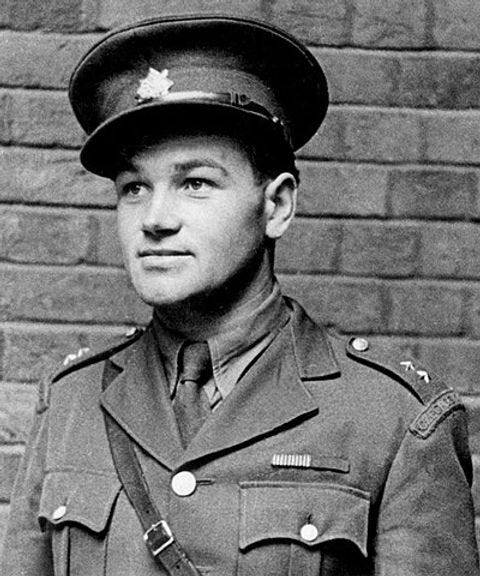
Codenamed Operation Anthropoid, this audacious mission aimed to eliminate one of the key figures of the Nazi regime. As tensions mounted and the fate of Czechoslovakia hung in the balance, Jozef Gabčík and Jan Kubiš, two brave soldiers trained in the United Kingdom, prepared to execute a plan that would forever alter the course of history.
Reinhard Heydrich
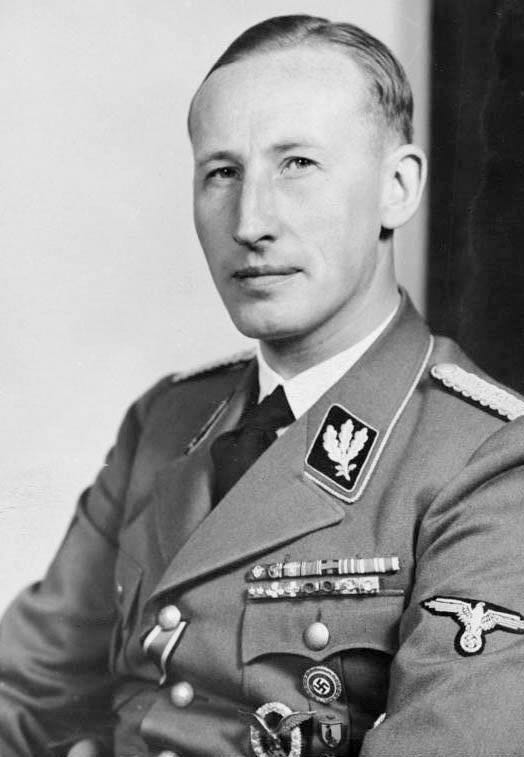
Before delving into the details of Operation Anthropoid, it is crucial to understand the pivotal role played by Reinhard Heydrich within the Nazi hierarchy. Heydrich, known for his ruthless efficiency, swiftly ascended through the ranks of the SS and the Gestapo. In 1939, he was appointed the Reichsprotektor of the Protectorate of Bohemia and Moravia, solidifying his tyrannical grip over occupied Czechoslovakia. He was also chief of the Reichssicherheitshauptamt RSHA, Reich Security Main Office (including the Gestapo, Kripo, and SD).

The Occupation of Czechoslovakia
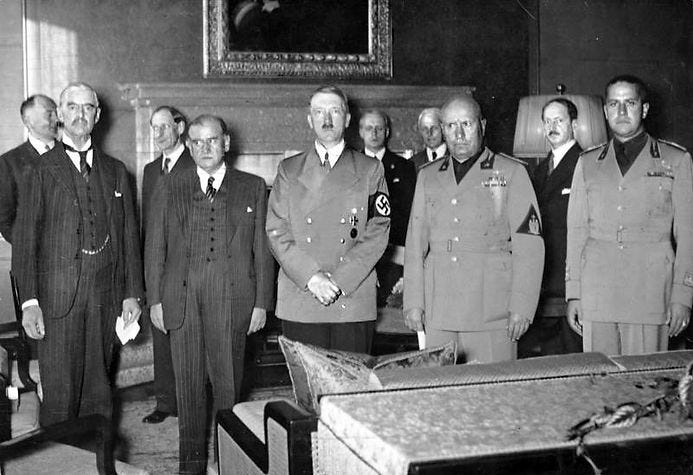
Following the dismemberment of Czechoslovakia through the Munich Agreement in 1938, the country faced a grim reality. Germany occupied the Sudetenland, while Hungary and Poland claimed other regions. The remaining territories were transformed into the Protectorate of Bohemia and Moravia, subjected to direct control under the Nazi regime. Czechoslovakia’s citizens endured oppressive policies, mass arrests, executions, and forced labor under Heydrich’s reign.
The Czechoslovakian Resistance
Amidst the Nazi occupation, a resilient Czechoslovakian resistance movement emerged, composed of various political factions, military organizations, and ordinary citizens determined to fight back. These brave individuals sought to strike a blow against the Nazi regime, with Reinhard Heydrich, as the chief architect of the occupation policies, emerging as a primary target for their resistance efforts.
British Support and Operation Anthropoid
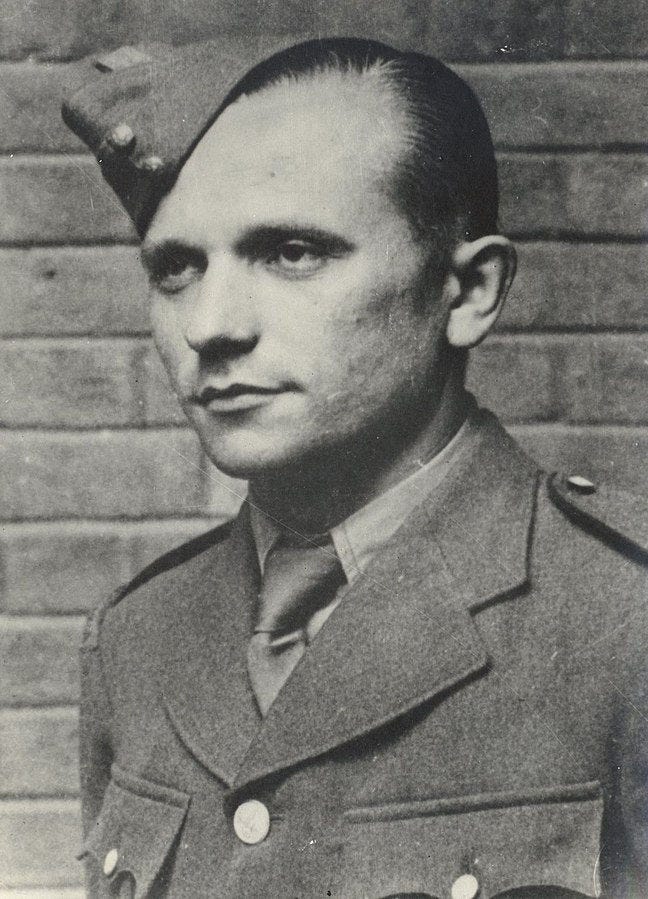
The Czechoslovakian resistance found support from the British Special Operations Executive (SOE) and the Czechoslovak government-in-exile based in London. With collaboration between the resistance and the SOE, Operation Anthropoid was authorized, aiming to assassinate Heydrich. Out of 2000 exiled Czechoslovak soldiers, 24 were selected. From these Jozef Gabčík and Karel Svoboda were picked. Svoboda however got injured and and Jan Kubiš was chosen as his replacement.


The Planning of Operation Anthropoid
Operation Anthropoid was a meticulously planned operation that demanded intelligence gathering, careful assessment of Heydrich’s routines, identification of the optimal attack location, and thorough preparations for a swift escape. The plan aimed to be swift, precise, and, above all, a decisive blow against the Nazi occupation. The resistance fighters established a network of informants and meticulously observed Heydrich’s movements, mapping out his daily activities, and identifying the opportune moment for their attack.
The Chosen Battlefield: Prague
The resistance fighters carefully selected Prague, the capital of the Protectorate of Bohemia and Moravia, as the site for their attack. The city offered a combination of factors crucial for the success of the operation: a suitable location with strategic advantages, potential escape routes, and a population sympathetic to the resistance cause. Prague would become the stage for a daring act of resistance that would reverberate throughout history.
The Assassination: May 27, 1942
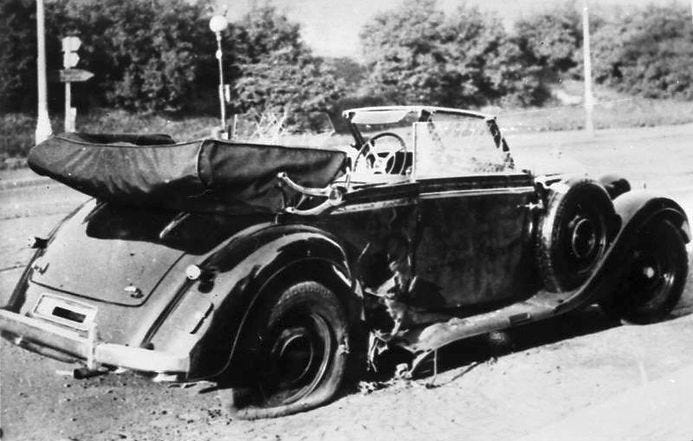
On May 27, 1942, Gabčík and Kubiš, along with their team of 7 other soldiers, executed their plan to assassinate Heydrich. As Heydrich’s open-topped Mercedes-Benz approached a hairpin bend on his usual route, Gabčík stepped forward and fired his Sten submachine gun. However, the weapon jammed, providing Heydrich with a fleeting moment of survival. Heydrich stood up, orderedhis driver to stop and drew his Luger. Undeterred, Kubiš, out of sight, threw a modified anti-tank grenade, mortally wounding Heydrich and causing significant damage to the vehicle.
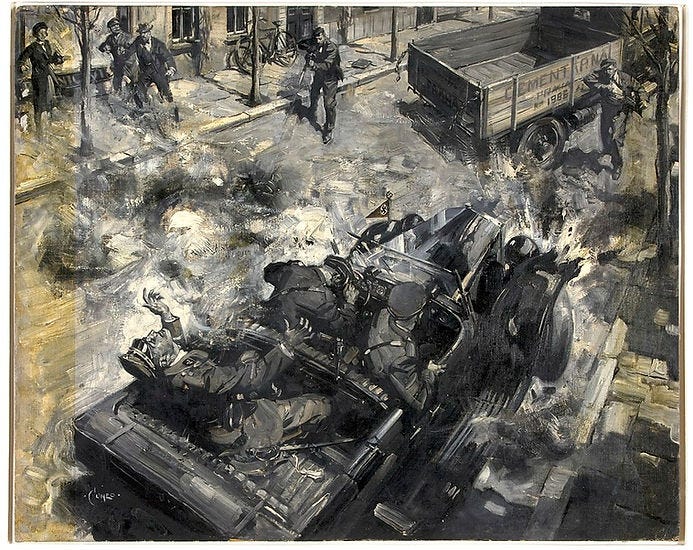

One remarkable detail was the fate of two SS jackets that had been placed on the back seat of the car carrying Reinhard Heydrich. As the explosion occurred, the jackets were lifted into the air and carried by the blast, ultimately landing and draping themselves over a trolley wire.
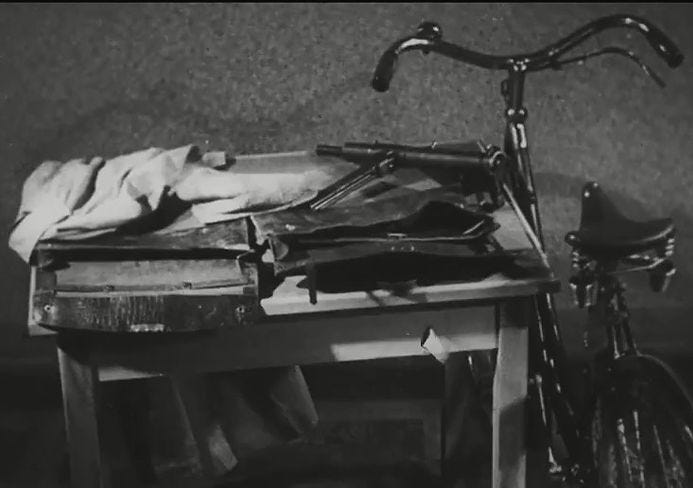
Reportedly, Heydrich and his driver Klein managed to get out of the car with drawn pistols, Klein approaching Kubiš and Heydrich going after Gabčík. Kubiš managed to get to his bicycle and escape by firing his gun into the air to disperse the crowds. Gabčík took cover and Heydrich and him engaged in gunfire. Heydrich, overcome with pain, gave Gabčík a window to flee. In the following confusion he bumped into Klein and managed to shoot him twice in the leg.
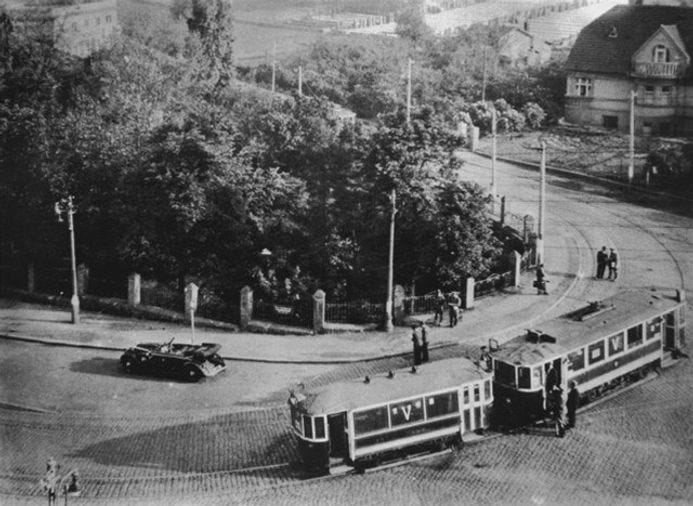
The assassination of Reinhard Heydrich in Operation Anthropoid sent shockwaves through Nazi-occupied Czechoslovakia and reverberated across the international stage.
Nazi Retaliation: Lidice and Ležáky
The assassination of Heydrich unleashed a wave of brutal Nazi retaliation on the Czechoslovakian population. In a heinous act, the village of Lidice was razed to the ground, with all men executed, women sent to concentration camps, and children subjected to forced Germanization. It was known as the Lidice Massacre. Historically it is viewed as one of the most documented examples of Nazi war crimes. A total of 173 men over 15 years of age, were executed. Similarly, the village of Ležáky faced a similar fate, emphasizing the ruthlessness of the Nazi regime in response to resistance actions.
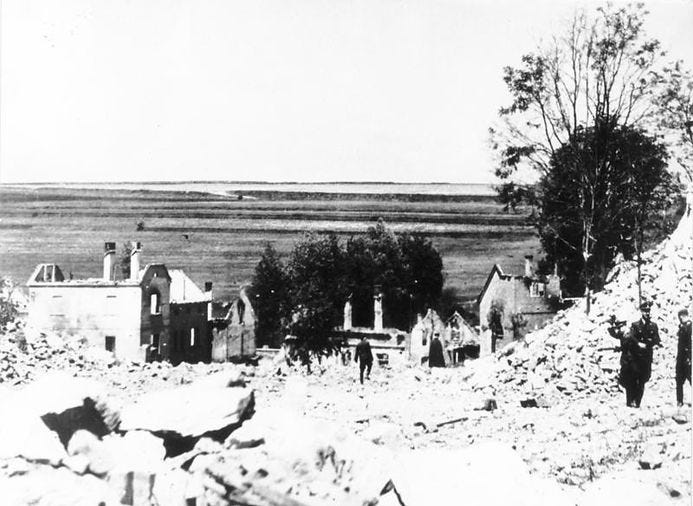
The Prague Uprising
The assassination of Heydrich, coupled with the subsequent crackdown on Czechoslovakia, fueled a sense of anger and resistance among the population. In May 1945, towards the end of World War II, Prague erupted in a mass uprising against the Nazi occupiers. The people of Prague, inspired by the heroic act of Operation Anthropoid, fought fiercely to liberate their city from Nazi control.
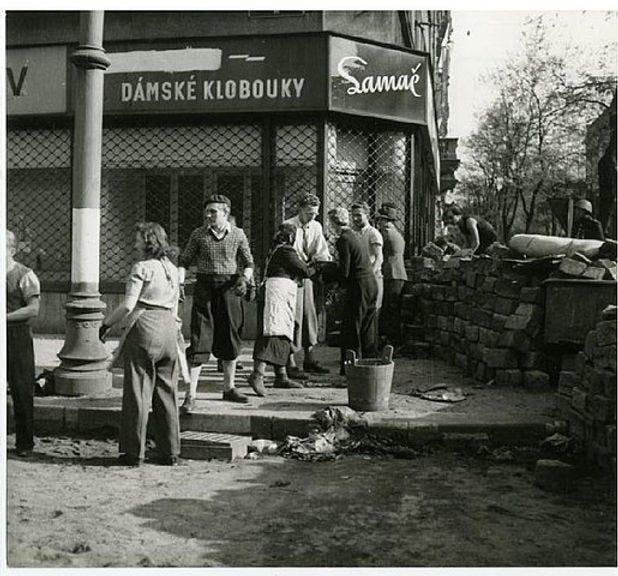

Impact on World War II
Operation Anthropoid had significant consequences for the course of World War II. Heydrich’s death led to a power struggle within the Nazi regime and a shift in policies towards occupied territories. The assassination also garnered international attention, highlighting the courageous resistance efforts against Nazi oppression and inspiring similar acts of defiance in other parts of Europe.
Post-War Recognition
Following the end of World War II, the Czechoslovakian soldiers involved in Operation Anthropoid were recognized for their valor and sacrifice. Jozef Gabčík and Jan Kubiš, among others, were posthumously awarded honors for their role in the assassination. Monuments and memorials were erected to commemorate their bravery, ensuring that their legacy would endure.
Cultural Impact
The story of Operation Anthropoid has found it’s way into popular culture. It has been depicted in numerous films, literature, and documentaries, showcasing the continued fascination with this heroic act of resistance.
In 2016, it was made into a major motion picture featuring Jamie Dornan and Cillian Murphy.