avatarJoe Luca

Free AI web copilot to create summaries, insights and extended knowledge, download it at here

2772

Abstract

te><p id="f4cd"><b>Words vs. Ideas</b></p><p id="9459">A story idea may come to you at any time. <i>How you survived 6 hours in the bathtub, because your older brother told you there was a large snake hiding under the bath mat.</i></p><p id="8184">But words need to be used to take that idea, and bring it neatly into existence. Color it and shape it and make the reader think back to his own childhood; to the trials his own brother put him through.</p><figure id="9649"><img src="https://cdn-images-1.readmedium.com/v2/resize:fit:800/1*WM0r2Cf5GsfYK8NYe2U3Ig.png"><figcaption>Free image from Pixabay</figcaption></figure><p id="c5ee">Too many rules interfere with the relationship being created with the reader. They too closely dictate how, why, and in what tense, thus placing the whole process of writing into the same creative category as baking.</p><p id="11f0"><b>But there’s no recipe to follow because the story has not yet been written.</b></p><p id="0d20">I subscribe to only two rules. These have been hard fought and hard won and I still fall back in retreat every now and then. So relentless is the pressure to conform to what is selling, important or relevant to the world around us, today.</p><h2 id="71d8">Write with your heart.</h2><p id="fa82">Have you ever seen a curve ball coming from a skilled pitcher in baseball? Or a fastball, straight and hot, from a wind-milling softball ace?</p><figure id="946e"><img src="https://cdn-images-1.readmedium.com/v2/resize:fit:800/1*DznCRG1UP55fLzt4e6tU5g.png"><figcaption>Free image from Pixabay</figcaption></figure><p id="7583">You can watch 1000 hours of film and sit through the movie, <i>The Natural</i>, 100 times and you’ll still have a hard time hitting them. It never becomes easy, but it becomes doable, when you begin to trust your instincts and let your eye, mind and body work together. You just let it happen. Don’t over-think it.</p><p id="17f0">Writing is instinctual. Learn your basics. Understand their importance. Allow shapes and colors and images of all sorts to filter down through the mind when you read and when ready, let those words flow back out in reverse.</p><h2 id="0d9d">Rewrite with your head.</h2><p id="6ca1">You’ve read good books before, even great ones. And you read those that kept you through 20 pages and no more. Maybe you did a careful post-mortem on why the author lost you. Maybe you just knew why and moved on.</p><p id="1d8e">Draw from this pool of data, instinct and understanding, and go through your story as if you’ve never seen it before.</p><p id="1d06">If it sounds stiff, change it. If it sounds wrong, tweak it. If it sounds like you, trying to write like Stephen King, start over.</p><p id="c473">Writing is where the magic begins. There’s nothing there.

Options

Then five minutes later:</p><blockquote id="6b24"><p><i>“It was the best of times, it was the worst of times. It was the age of wisdom, it was the age of foolishness …” (Dickens, A Tale of Two Cities)</i></p></blockquote><p id="1f4c">We find comfort in rules. They connect us to the world and make us feel less anxious about the mistakes we might make. Please, go ahead and make them. You’ll catch most of them before they are revealed to the world. Others will get through and be corrected by well-meaning editors or friends. Some will come back like a boomerang and knock you on your ass. So, what. It’s only words. You got a million of them.</p><p id="7715"><i>“You just can’t beat the person who won’t give up.” Babe Ruth</i></p><p id="b3e1"><b><i>Joe Luca is writer and editor for ILLUMINATION and a published author and writer of children’s stories, short fiction, non-fiction articles, screenplays and poetry. Publications include Child’s Life, Children’s Playmate and others.</i></b></p><div id="9740" class="link-block"> <a href="https://readmedium.com/poetry-poems-poets-oh-my-7ca24e9b5ff"> <div> <div> <h2>Poetry, Poems & Poets … Oh My!</h2> <div><h3>Why they Kick Ass</h3></div> <div><p>medium.com</p></div> </div> <div> <div style="background-image: url(https://miro.readmedium.com/v2/resize:fit:320/1*d3DgqG0MoY7HRz12Ncxiyg.png)"></div> </div> </div> </a> </div><div id="9116" class="link-block"> <a href="https://readmedium.com/why-the-theory-of-first-impressions-might-just-be-wrong-9639a59c5f87"> <div> <div> <h2>Why the Theory of First Impressions might just be wrong?</h2> <div><h3>But then what?</h3></div> <div><p>medium.com</p></div> </div> <div> <div style="background-image: url(https://miro.readmedium.com/v2/resize:fit:320/1*G0korynpHmld2fNVnXmz9A.jpeg)"></div> </div> </div> </a> </div><div id="90ea" class="link-block"> <a href="https://readmedium.com/leadership-lessons-f3a4fc40ea01"> <div> <div> <h2>Leadership Lessons</h2> <div><h3>The Future is wide open, if we have the Courage to learn from our Mistakes</h3></div> <div><p>medium.com</p></div> </div> <div> <div style="background-image: url(https://miro.readmedium.com/v2/resize:fit:320/1*L32g32FlEJ3qyYm9JEMirg.jpeg)"></div> </div> </div> </a> </div></article></body>

Writing Without Rules

What Not to Do
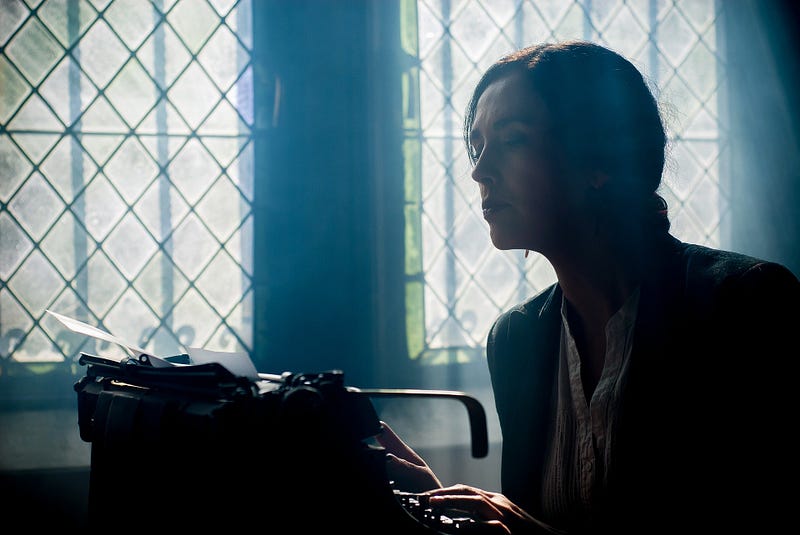
Image from Pixabay — voltamax

Write what you know.

Don’t use long sentences.

Don’t write in the abstract

Make sure each sentence makes a clear statement.

Big words, big mistake.

Avoid adverbs … please.
Free image from Pixabay

This is where all of these rules and others like them belong.

Yoga and the Art of Writing

If you were sitting on a mat, deep in the tranquil woods of western Tennessee and the guru is instructing you on how to breathe — okay, then listen. You paid your money. You’re there to learn meditation and inner peace. Then let him instruct you on something so basic, so fundamentally natural to you, that you don’t even need to think about it for it to happen.

Writing is one small but important step from breathing. It’s not part of the autonomic system, so it requires a little more effort. But beyond that it should come as naturally to you.

I learned an important lesson in my own adventures in screenwriting. Rules sell books and seminars. Great writing, sells screenplays.

Rules are important. Rules tend to prevent chaos and anarchy. Think rush hour in Rome on a Friday afternoon. Without some rules, life becomes very dangerous.

However, some rules, enforced and made to override our innate sense of rightness, are equally dangerous.

They make us think. Too much. Thinking, when we should be writing. Worrying, when we should be writing. Editing ourselves, when, you guessed it, we should be writing.

Rules are first cousins to opinions, once removed. They look like they’re important, and some are. But overall, most are suggestions, dressed up in evening wear, while being escorted to the book signing.

By the way, grammar, punctuation and spelling are not simply rules, in the same way that paper, canvass, and brick walls, are not simply tools of the Art trade. They are essential to the work itself. Without them, art has a difficult time being represented.

Without these three as well — everything begns to got awkward: veri quikly and what we, intend to sey; becomes loss in the prosess and the reeders look elcewear.

Words vs. Ideas

A story idea may come to you at any time. How you survived 6 hours in the bathtub, because your older brother told you there was a large snake hiding under the bath mat.

But words need to be used to take that idea, and bring it neatly into existence. Color it and shape it and make the reader think back to his own childhood; to the trials his own brother put him through.

Free image from Pixabay

Too many rules interfere with the relationship being created with the reader. They too closely dictate how, why, and in what tense, thus placing the whole process of writing into the same creative category as baking.

But there’s no recipe to follow because the story has not yet been written.

I subscribe to only two rules. These have been hard fought and hard won and I still fall back in retreat every now and then. So relentless is the pressure to conform to what is selling, important or relevant to the world around us, today.

Write with your heart.

Have you ever seen a curve ball coming from a skilled pitcher in baseball? Or a fastball, straight and hot, from a wind-milling softball ace?

Free image from Pixabay

You can watch 1000 hours of film and sit through the movie, The Natural, 100 times and you’ll still have a hard time hitting them. It never becomes easy, but it becomes doable, when you begin to trust your instincts and let your eye, mind and body work together. You just let it happen. Don’t over-think it.

Writing is instinctual. Learn your basics. Understand their importance. Allow shapes and colors and images of all sorts to filter down through the mind when you read and when ready, let those words flow back out in reverse.

Rewrite with your head.

You’ve read good books before, even great ones. And you read those that kept you through 20 pages and no more. Maybe you did a careful post-mortem on why the author lost you. Maybe you just knew why and moved on.

Draw from this pool of data, instinct and understanding, and go through your story as if you’ve never seen it before.

If it sounds stiff, change it. If it sounds wrong, tweak it. If it sounds like you, trying to write like Stephen King, start over.

Writing is where the magic begins. There’s nothing there. Then five minutes later:

“It was the best of times, it was the worst of times. It was the age of wisdom, it was the age of foolishness …” (Dickens, A Tale of Two Cities)

We find comfort in rules. They connect us to the world and make us feel less anxious about the mistakes we might make. Please, go ahead and make them. You’ll catch most of them before they are revealed to the world. Others will get through and be corrected by well-meaning editors or friends. Some will come back like a boomerang and knock you on your ass. So, what. It’s only words. You got a million of them.

“You just can’t beat the person who won’t give up.” Babe Ruth

Joe Luca is writer and editor for ILLUMINATION and a published author and writer of children’s stories, short fiction, non-fiction articles, screenplays and poetry. Publications include Child’s Life, Children’s Playmate and others.

Writing Tips
Writing
Self Improvement
Grammar
Discipline
Recommended from ReadMedium