WRITERS CLUB
Writing With Invisible Ink
Reading between the lines to hook the reader
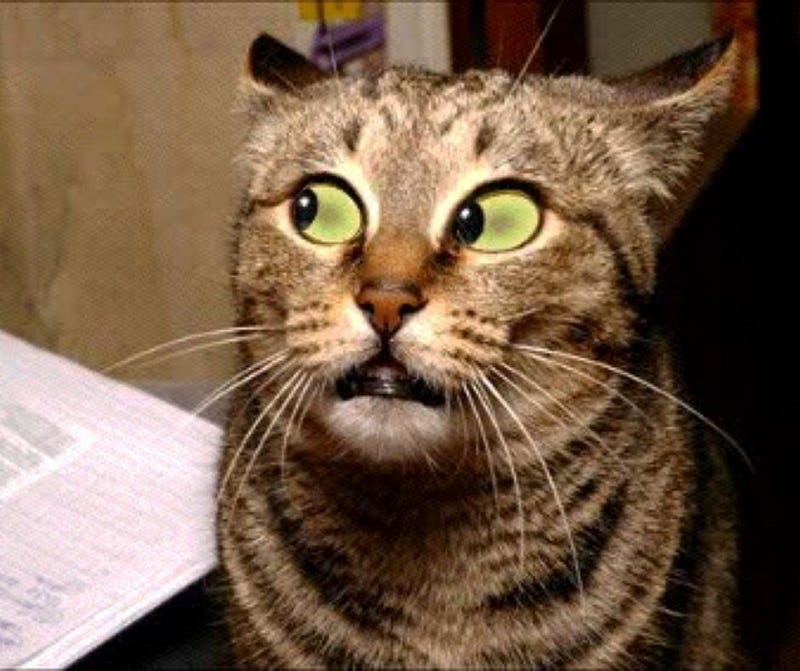
Have you ever read a story or watched a movie that sparked your imagination with words that weren’t specifically stated?
Chances are, that story was laced with a device known as implicit meaning. It can also be known as “implied meaning,” or “subtext.”
It’s a clever writing technique that involves conveying a message or idea indirectly, without explicitly stating it in words.
Think of it like a puzzle where the author gives you all the pieces, but it’s up to you to put them together.
These literary figures of speech rely on the reader’s ability to interpret and infer meaning from the text.
The writer will often use symbolism, metaphor, and other indirect language to convey their message.
This creates a multi-layered and thought-provoking work that invites the reader to engage with the text on a deeper level and draw their own conclusions.

Example sentences using implicit meaning:
- She walked into the room and immediately felt a chill: What could the subtext be?
- The man’s eyes flickered briefly to the door: What was he thinking?
- The woman’s smile was strained: What was going on in her mind?
- The city streets were slick with rain: Was telegraphing that a dreary mood that had settled over the town? Or, something else?
- There was an empty chair at the dinner table: What possibilities could this be implying?
- The clock ticked steadily in the background: How could this be used as an implicit subtext meaning?
- The sound of a distant siren echoed through the night: What subtext comes to mind when you read that sentence?
✅ Symbolism: This technique uses objects, characters, or events to represent larger ideas or concepts. Think of it like a secret code — the author is using symbols to convey a hidden meaning that might not be immediately obvious. For example, a dove might symbolize peace, or a storm might symbolize chaos or conflict.
✅ Metaphor: This technique uses comparisons to create a deeper meaning. It’s like saying one thing is another thing in order to convey a message or idea.
For example… if someone says “life is a journey,” they’re using the metaphor of a journey to suggest that life is a process of growth and learning.
✅ Irony: This technique uses language to convey the opposite of what is expected or intended. It can be used to create humor, emphasize a point, or convey a deeper meaning.
For example… if someone says “what a beautiful day” while it’s raining outside, they’re using irony to convey the opposite of what they’re saying.
✅ Allegory: This technique uses a story or characters to represent larger abstract concepts or themes. It’s like a hidden message within a story, where the characters and events are meant to represent something else.
For example… “Animal Farm” by George Orwell is an allegory for the rise of Stalinism in the Soviet Union.
✅ Subtext: This technique uses implication and suggestion to convey meaning indirectly. It relies on the reader to infer meaning from the text based on what’s implied or suggested, rather than what’s explicitly stated. It’s like reading between the lines to discover the hidden message.
For example… if a character says “I’m fine” when they’re clearly not, the subtext might be that they’re struggling with something but don’t want to talk about it.
This writing tip was inspired by Chantell’s short story where she uses implicit meaning to make the telling of the event more mysterious, causing the reader to think more creatively.