
Writing tips from my Writer Mom
That go against every “writing tips” post on Medium
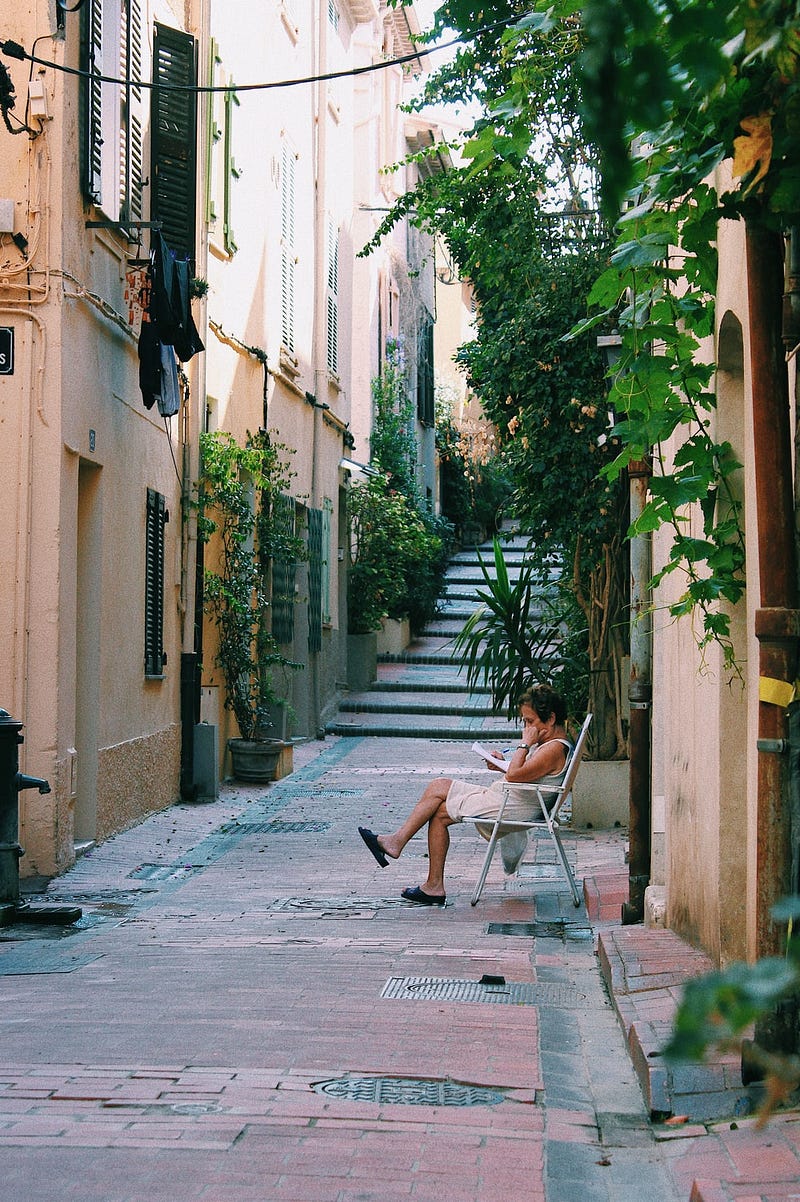
She started writing when she was 25. She’s 61 today and since she started she has been able to live off writing TV shows and, later in life, exclusively writing novels for adults. She says writing was the hardest thing to do. She was good at a lot of things, writing was not one of them, but she chose it nonetheless.
She taught me to write when I was 16 and here’s what I’ve learned from her.
Slow and consistent
I keep seeing articles about how to write 3000 words a day. She is happy if she writes 500 words. 500 polished, with perfect sonority words. She won’t even count the words from first drafts, because they are just that, a basis from where to start, if they are not ready to read they are not worth being counted.
Writing is about reading yourself
The majority of her time isn’t spent, as one might think, writing. The majority of her time looking at the screen is rereading what has been written and editing, editing, and editing. Deleting what doesn’t work and pushing to polish what seems to have potential.
Writing is easy they say. Well, writing badly is, she says. Writing so well words are smooth and you feel you are being softly carried through the streets of a fictional city it’s a whole other level.
Write till your eyes fall off
Learning to write was one of the hardest things I have ever done, and I’m still doing. We used to sit in front of the computer and I would have had enough, the story was good enough, I would get a good grade, why stay longer? Well, it wasn’t as good as we could make it. She made me stay by her until everything was spotless and nothing could get any better if changed. I hated those nights, but the memory of them is priceless.
On overcoming creative block
She never has a creative block. It’s not so much she doesn’t have it as that she has a set of tools she turns on when this happens. She never sits down without knowing what she will talk about. Before writing anything she will think it through as much as needed until there’s some potential to start with.
When she gets stuck she will either perfect what she has or get up and go for a walk, look deep, deep inside and figure out what she wants to share. Her walks are magical, they help you de -stick.
You are either addicted to writing or you won’t make it
Writing is a terribly competitive field. She is, as one might say, a workaholic. She works Sundays and Saturdays. I’ve tried to convince her to do weekends as everyone else does. She can’t. She’s like a shark that will drown if it stops moving. She will drown if she stops writing.
Writing is more fun than going out to the beach and relaxing. She doesn’t understand why people would do that, for her, the maximum expression of pleasure (and often pain) is in front of her keyword.
Sound
She’s completely obsessed with her words sounding right. But she hates poetry. It might seem dumb, but it’s one of the most important parts of the reading experience. Feeling the smoothness of the tale, but having enough words to explain what’s going on so people don’t have to imagine it like they are forced to do with poetry.
Underestimate yourself
If she has a contract for a book she has to send in 9 months she will start to skip social commitments to be on time right next week. I’m not suggesting you do the same. But her insecurity helps her push herself more than my overly secure self will ever do.
Money
For her money is time. The slower you spend it, the more time you gain where you don’t have to work for money. She’s got some priorities: my education, medical expenses, food, family trips... But education is an investment as medical expenses and good food that help you live longer and better. For family trips, we will eat a sandwich for lunch in a beautiful park and spend our nights in a shitty hotel where we can relive the amazing day we had visiting museums.
She doesn’t need to earn a lot from writing, she just needs to earn enough not to sacrifice her remaining time on earning money.
Retirement
She will never retire. As long as her brain half-works she will write. Because she can not understand her identity without writing. If she hadn’t found some sort of success (meaning being able to sustain herself) with words, she would still do it. Writing keeps her sane, as it keeps me sane, I suspect it’s a genetic mistake we share.
Get mad at yourself when you are rejected
I keep seeing everyone say that you shouldn’t take rejection personally. She does. And it actually works for her. Rejection has a higher impact on her self-esteem which means that she will carefully analyze and criticize what part of her work doesn’t work and change it until it does. She takes rejection seriously and it helps her improve.
If you take rejection as “not personal” you might get stuck doing the same mistakes over and over and over and this is absolutely terrible. You aren’t learning, you aren’t pushing, you aren’t getting any better and you won’t be able to give anything worthy to the world. Sometimes, an emotional rip is worth the pain.
Identifying as a writer
It took her 4 books published to be able to say out loud she was, indeed, a writer. She started writing without telling anyone she was doing so. So perhaps no, perhaps you don’t need to say it out loud to succeed.
Don’t ever take no
I’ve often asked what she would have done if she hadn’t managed to make money from writing. She says she would have probably kept being a teacher. I don’t think that’s true.
If she hadn’t started to “make it” at 28–29 she would have kept pushing and she would, eventually, have made it. She doesn’t recognize the meaning of giving up because, to her, this is the only way her life makes some sort of sense. Without fiction to organize her thoughts and generate emotions to readers, without fiction to read and feel, life is meaningless and no friendship or amount of money can fill this absolute void she would feel.
Aftermath
If she were to read what I’m writing she would be incredibly disappointed because she can’t possibly think this is good enough. But she would also be incredibly proud I’m working on it. I hope, someday, I’ll become half the writer she is.


