Writing…isn’t as glamorous as you think it is.

I have to teach on most days in a week. Now that it’s summer, when my teaching schedule is less packed, I usually have a day “all to myself”, meaning that I do not have to teach on that day. But since I have decided that I try my best to write every day for my blog, I have to write on this day too.
Let me tell you what happens on a day when I don’t have to teach and have to write a blog post, an article, or an email to my subscribers.
10:30 am: Wake up feeling tired, get back to sleep.
12:15 pm: Wake up again, feeling a little less tired (but not energetic either). Think about whether I should get back to (still) more sleep. I went to bed at about 5 am the day before (and this isn’t an excuse to be lazy. Sleep is very important for a writer). I decide to get up since I most probably cannot get back to sleep because I am too anxious to seize the day and get some work done.
12:15 am: I live with my family who don’t care about making me breakfasts, so I grab some food that takes minimal effort to prepare like bananas and cereals. Washing my face, brushing my teeth and peeing either comes before eating or after. No SOP applicable here.
1:15 pm — 2:15 pm: Not feeling like working, I talk with my family (mostly my dad) about my recent observations, how my writing and teaching work have been going and recount fun stuff I have stumbled on when reading or watching Youtube. If client calls, talk with client. Reply to their messages.
2:15 pm — 3:00 pm: I finally decide that I must head outside to get some work done. I worry about not being able to write well today on the metro like I do every day. Meanwhile, my mind starts wandering until it hits a point when an idea with some potential pops up. I try to type up a short blog post built on that idea. Finish writing about 100 words by the time when I get off.
3:00 pm — 3:30 pm: I meet Eric, my partner at work. My thought process disrupted by our talk, I forget what I wanted to talk about in the blog post I started just now. I arrive at the library where I am supposed to get my work done. Hunger finally gets the better of me and I order a tea set as my late lunch.
3:30 pm — 4:30 pm: I finish eating. I try to get back to the blog post I was typing just now. I realise, a little sadly but without surprise, that forgot what I was trying to say. I try to get back to that train of thought and continue writing that post. I fail. Another stillborn article. I stare at a blank screen and feel impatient about having no idea about what to write today. I turn on some classical music so that it can get me into the mood of working, but continue to feel frustrated instead of ready to work as my stomach starts to churn as it usually does after eating. I wriggle in my seat while trying to land my mind on a promising idea. I go to the toilet for pooping. While sitting in the toilet cubicle pondering fragments of thoughts, I get ideas about what to write today. I walk back from the loo to my work-desk, still feeling unsure whether I will be able to write something good today.
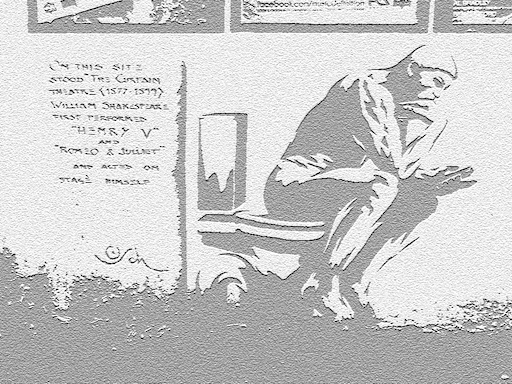
4:30 pm — 7:30 pm: I write the article with the idea cooked up on the toilet cubicle. While writing, I have no choice but pause occasionally when I find myself lost for words or ideas. I will usually fail to resume if I keep thinking intensely about a word or an idea that I need, so I reread what I have written and while trying to figure out how to continue. I struggle. My hope falters for multiple times, but despite multiple pauses I continue to soldier on by sheer faith. All the way through I remain unsure whether what I am typing will end up being another stillborn article.
7:30 pm: I finish writing an article/ blog post, which could well be mediocre in quality. I don’t (usually) feel very happy when I finish writing. A bit of relief is the only emotional reward for my finishing a piece of work.
I am giving you an honest account of my day to tell you that writing isn’t nearly as glamourous a job as you might have imagined it to be. A writer’s typical day almost never consists of a few hours of scribbling away on paper followed by heartful celebrations. According to an article written by James Clear, Barbara Kingsolver, Pulitzer Prize nominee, had to write hundreds of pages of bad stuff before she got to the good one. Haruki Murakami keep up his discipline by running 10km before sitting down to write every day so that his body’s strength will not fail that of his mind.
After reading about these writers’ routines, I have come to believe this: if you don’t struggle, you can’t write. You struggle before you write and you struggle after. One doesn’t just sit down and write; the struggling is part of the writing. Even the best writers could struggle to generate work every day.
Struggling is just our cross to bear.

When we envy writers for how well they write and how prolific they are, let us not forget that their good writing doesn’t always come with just a good night of sleep and a massive amount of reading every day. In truth, good writing could take a lot of wriggling in the seat and a lot of staring at a blank screen to generate. Sadly, most people fail to sit through all that wriggling and staring — they have given up before the most important part of their work, the writing itself, starts.
If you, like me, don’t have the perfect work schedule either, don’t forget that I have pulled through and come this far. Don’t blame yourself just because you’re not productive enough in writing. Guilt and self-blame are poisons that paralyse you. All those writers who have made their names in history didn’t give up on writing because it came with struggling. You shouldn’t either.
Originally published at finnieslanguagearts.com on August 13, 2017.