
Writing Introductions Should Actually Be the Last Thing You Do
The best introductions are the ones written last

While introductions are the first things you read, I think that the best ones are actually written last. To anyone who has ever struggled to start their writing I want you to know you’re not alone. I sometimes cannot write introductions. In those moments when you’re trying to make a hook work, I say leave it and come back later. That brilliant opening line that you’re trying to create doesn’t exist yet. The truth is that you don’t know actually know what you’re writing until you’re at the end.
There’s a certain beauty in crafting a powerful introduction that I think writers get caught up in getting right the first time. But like all processes, writing is one that takes time. My advice to you is to consider how you can write without an introduction and actually create a stronger piece in the end. I guarantee that if you don’t obsess with how to write the perfect introduction your piece will point to where it starts.
Introductions are more than just a good hook
Even though we’d all love juicy hook that captures the reader, introductions shouldn’t be counted as wasted space. When I was in undergrad, I treated my introductions as wasted space. I wanted to get right into the action, and I used to write whatever I thought would grab my reader’s attention. But treating the introduction like an ad for my piece instead of part of my message was discounting my work.
If you find yourself spending more time writing an introduction than your piece than maybe you should switch priorities. Don’t worry about how your article or idea will exist without an introduction. That brilliant opener and paragraph will actually be informed by the thoughts that eventually exist. Thus, ditch the introduction if you are more worried about to start than actually starting to write.
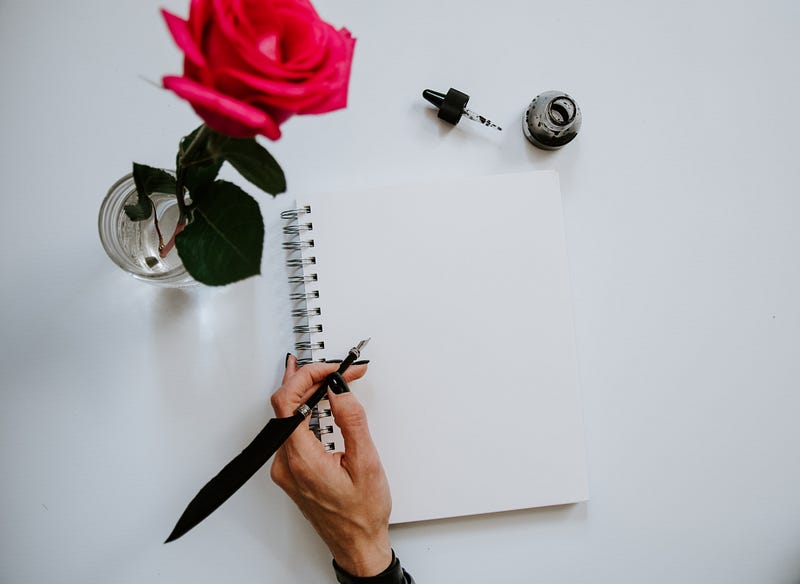
How to test your introductions
My writing professors urged me to see how my introduction could actually stand alone. The instructors used to challenge all of us in the seminar to write introductions last and then test them. The test was actually pretty simple but don’t let its simplicity fool you for its impact.
I could open the draft of whatever I was working on, and I’d cut my introduction out. Then, I was told to paste my introduction onto the page. Without any context or other words, I had to see if my introduction could stand alone. Did this introduction read like some hook that could exist in front of any text? Or did these sentences create an invitation to a new world where an interesting idea would be explored? These are the questions I asked myself.
But again, I would only do this test once the rudimentary introduction was written. And these introductions were only written once I wrapped up my piece with its last period.
Why writing your introduction last makes the most sense
An infallible framework I use is that writing is an exercise in thinking. Even though I may have brainstorming sessions that produce outlines I do not ever think I’m done thinking. Have you ever had that annoyance of having your GPS reroute you several times in the span of several minutes? I think of my thoughts as that GPS and my writing is the different routes that exist.
There are dozens of ways to reach my final destination in both writing and driving. Through writing, I am actively en-route but also creating the path forward. I learned to not follow every crossed T or dotted I on my outlines. I don’t know that I could be creative if I didn’t invite myself to write and rewrite. I write my introductions last because I know that I, the writer, don’t know exactly where I’m taking the reader yet.
Treat introductions like a trailer for your piece
Introductions are those short bits that appetize the reader. Great introductions not only build a hunger, but they know how to sprinkle in some details without spoiling the reading experience. While I’m no longer writing essays in school, I am still practicing writing introductions last.
In my everyday work, I have to be okay with getting my introductions wrong. Without having a finished product in front of me I don’t know how to introduce it yet. For example, I write pitch letters that are meant to both introduce a project and entice potential coverage. But without having seen the project in its entirety, knowing the whole story, I cannot write my letter introduction. I treat introductions as my way of hinting at the feeling my reader should feel in my writing.
When I finish a piece of writing I like to read it over and I look for two key things. First, I want to see what are the ideas and the flow of them that happened. Secondly, I try to feel something. Did I feel joyous? Or did I feel inspired? Those emotions I felt and that I want the reader to feel will almost never exist in my first introductions. I needed to go on this journey myself to know to introduce others to it.
I needed to write this piece actually without an introduction at first. You could think it’s irony that a piece about writing introductions was missing one at first. However, I found that it was more rewarding in writing it last because I finally knew how to introduce it to you. I invite you to think about how you can better create an introduction after you’re done writing. Do let me know how it works for you!


