
Writing for Others
While struggling with loss
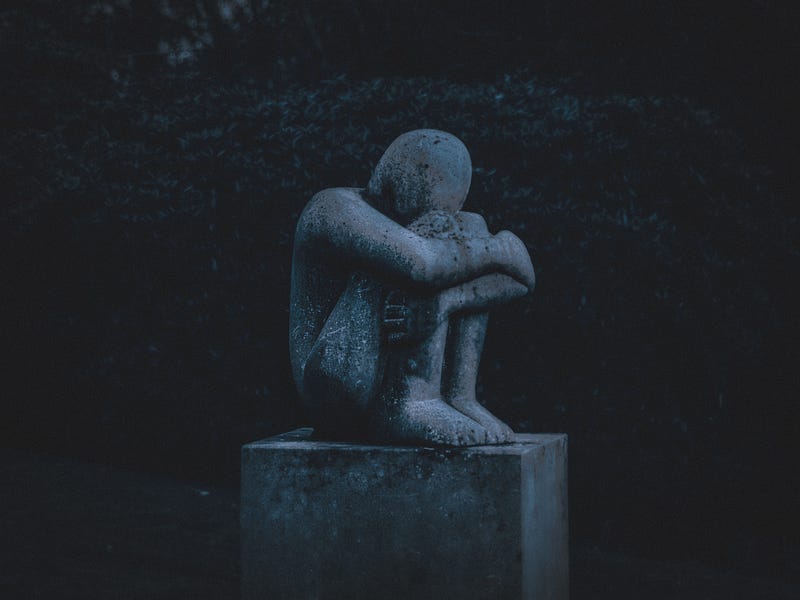
There are times it seems like an exercise in futility to hold a pen to paper or sit at a keyboard with your fingers poised to write anything when there are no words to express what is sitting heavily in your heart, mind, and body.
Regardless of our age, the manner of writing we are expected to do, and the pressure we put on ourselves to do it, comprehensible sentences do not form. Words enter our minds and flit out again to hide away in the heavy mist of confusing sensations and emotions.
The writer within us often becomes mute when we are in crisis or in a state of grief. It may feel impossible to right ourselves into a new reality while pieces of the old dissolve around us.
Feelings of helplessness are overwhelming and override all else
We observe and attempt to support others whose worlds have been shattered and feel inept and helpless. While we love those around us and perform tasks related to losses and surrounding events, writing is often the last thing on our minds. Yet we still return to it, hoping that something, even one little phrase, will land upon the page and make sense.
When we are alone in our experience, it seems as if we are frozen in place, unable to move in any direction. Imagine being a student facing a semester of essays at this time or working in a job that requires clear and concise written proposals, reports, and other written communication.
Without the support, we can sink into an immovable state oppressed by crushing emotional and mental fatigue. When reaching out for help feels like extreme weightlifting, that is when we must do it. We must be visible, even though, in this state, we strive for invisibility. As writers, we naturally reach for the comfort of familiar tools within our reach. Write anything.
It’s at times like this when it is the most difficult, that we must call for help, show up, and keep on writing

There will be times in our lives as writers that blocks will land like large boulders in our stream of creativity. It happens. No one knows how long that boulder will sit there. We can rail and flail against it, use all manner of explosive techniques to try and move it often without results. We might even turn on ourselves and start believing that our work, our gift as a writer, is all over.
When we stand on the other side of that block and look back, we realize the stream of creativity is still moving. We see that only the manner and method are blocked. Words, that precious commodity of artistic discipline and literary craft, may be falling short and flat. We may begin to think that without those words, as a writer, we are nothing.
Not true
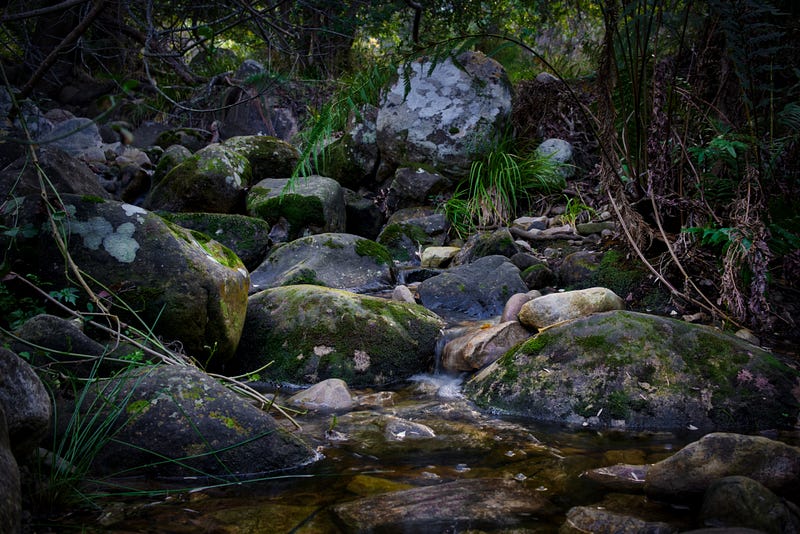
We become like water. When we let go of our preconceived notions of what it means to be a writer, everything changes. It takes a while longer to do it, but water always finds its way around and through those blocks. After all, water will eventually drill a hole through a rock.
Writing is a way of life, a practice, a discipline and an extension of ourselves. We cannot help but write. Like water we sit, we pool and gather until eventually, we find that fissure that allows our minds to trickle through or around whatever is in our way. Words squirm and wriggle until they bust loose into a whitewater rush of articulate ideas, seeming like manna from heaven.
Life is. We’re in it. We are emotional beings with gifts, skills, and tools. As we write our way through anger and rage, fear and terror, hurt and grief, loneliness and abandonment, embarrassment and shame, we are meeting life head-on.
We are human
The intensity of life is what fuels us as writers. Our creative connection to the world around us equally inspires and deters us. The drive to write pushes us back into our craft and even in those moments we are feeling our worst we may be writing our best.
Write.