
Writing Flow: How to Find it When Doubts Get in the Way
9 ways to get in the zone and write more often.

It’s the worst feeling.
That knot in your stomach. The frustration in your mind. The sense of hopelessness rising inside you.
Urgh, I don’t know what to say I’m no good at this I can’t do this This is too bloody hard
It’s a catch 22. The more you feel all this, the worse it gets.
Your heart pumps faster, your breath gets shorter.
Your cursor blinks infuriatingly on your blank page. Not moving sideways, no matter how much you will your fingers to type.
You walk away in disgust.
On other days, it’s different.
The words flow out from your being, through your fingers, filling pages faster than you can get the words out.
You type your first draft as if possessed. Then later, you caress your words, you smile at your expressions, you ride on the beautiful satisfaction and sweet relief that comes with getting out everything you want to say, exactly the way you want to say it.
F*ck that feels good!
Why can’t writing feel that good all the time?
Why do our doubts screw up our writing flow — even when we’ve flowed heaps of times before?
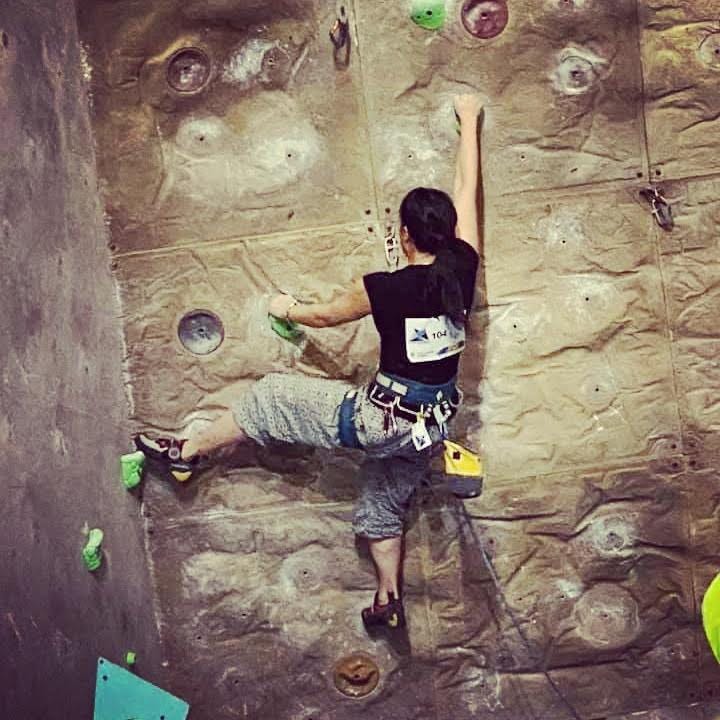
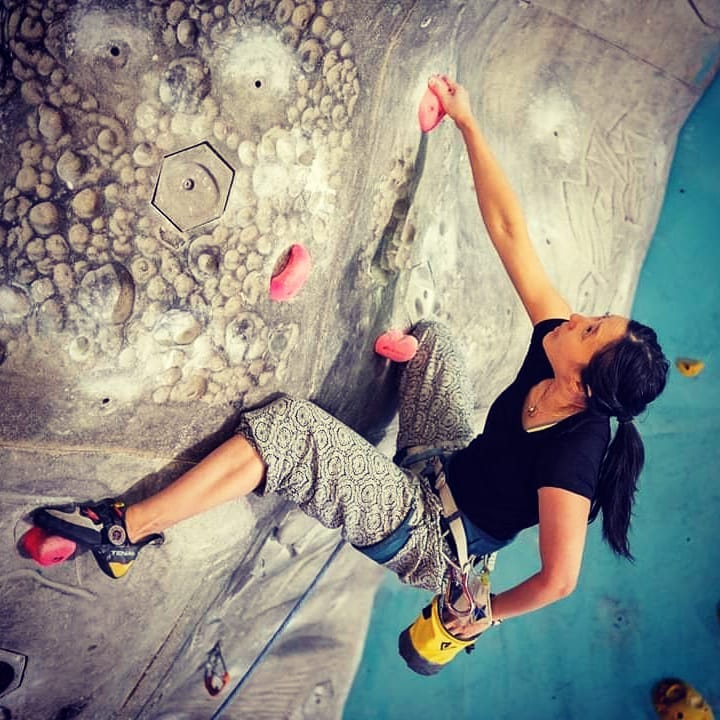
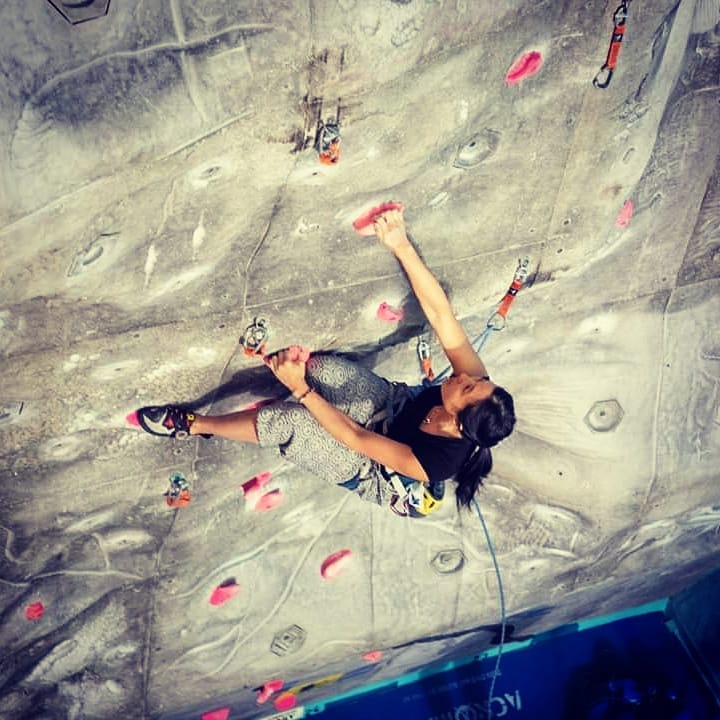
On the weekend I entered a rock climbing competition. Climbing puts writing in perspective for me — it gives me the same flow and gets me into the same zone that writing does.
What I felt in the lead up to the competition and how I got through it taught me a lot about how to deal with performance anxiety and doubt. It taught me a lot about flow.
Here are 10 insights I discovered as a climber — insights I’ve also learned as a writer. I’d love to share them with you to help you find your flow when doubt gets in the way.
1. Get a good night’s sleep
You know the scenario: the alarm goes off and you groggily hit snooze, desperate for an extra 10 minutes that don’t do a damn thing except delay the inevitable. You drag yourself out of bed, tired. So tired.
It’s tough to get through the day to a start like that, isn’t it? When that happens to me, I snap at my daughter, I get cranky at the slow car in front of me, and I climb like crap. I’m hesitant. Unsure. Frustrated. Negative. And so full of doubt.
When we get a good night’s sleep, our body regenerates and restores our energy for a new day. Our mind gets the rest it needs to ponder over the writing ideas whirling around. We can gather the oomph and optimism we need to push past roadblocks, and keep writing.
And when you don’t get a good night’s sleep? Realize that writing will feel different on different days. Be compassionate and kind to yourself. And make more effort to have a good night’s sleep the next night. Sleep deprivation can literally eat your brain.
Get a good night’s sleep.
“If you shortchange your sleep, you might get a couple of extra “productive” hours, but that productivity might be an illusion. When you’re talking about decisions and interactions, quality is usually more important than quantity.” — Jeff Bezos, Amazon
2. Share worries
Talking about worries is therapy.
Before and during the competition, I was nervous as hell. Sh*t scared. And worried that I needed more experience and training. There were so many other better climbers than me. There are so many things I need to improve in my climbing — I should work on those first shouldn’t I?
I wondered why I was putting myself through this. It wasn’t necessary. I could so easily just climb and enjoy climbing without this pressure.
Yet what I got from people around me was encouragement, excitement, and admiration. So I let myself be nervous and scared. But I also let their positivity, their confidence in me sink in. I convinced myself that this was a great experience to improve my climbing — and myself.
Same with writing. You might notice I share many articles about the mental side of writing — as much as writing techniques like headlines, writing online, and writing voice.
It’s because mindset matters even more than technique — you can’t hone in on technique if you can’t bring yourself to write a damn word or keep stopping halfway.
Write about your worries in articles, in forums, in poetry. Talk about how you are working through them — or not. You may feel vulnerable sharing your worries — don’t. Vulnerability is strength.
You’ll find others share the same struggles and doubts. By listening and opening up, by learning from each other, you’ll forge ahead.
Share your worries.
3. Reinforce your past successes
Perhaps a piece feels clumsy or disjointed. Perhaps you can’t come up with the right words. You can’t find your voice. You don’t know where you’re going with a topic you’re passionate about. There are so many reasons to feel doubtful in writing. I feel the same with rock climbing.
What I do when this happens is think about a time when I climbed a tough route. It may have taken me weeks. Or months. But I got it in the end. Just like many articles I’ve written that took more than 3 drafts to finish. But I finished.
Other times I revisit the statistics of successful advertising and email campaigns I’ve written for. Campaigns that brought in website traffic and leads that led to sales for my clients. Copy that boosted funds for great causes. Or copy that helped kids in third world countries learn how to read.
How about you? Think of your toughest piece — and how you got through it and finally published.
Think of the people who related to what you shared.
Remember the gratitude they gave you — for gifting them with your words, despite your struggles to deliver it to them.
You’ve had wins before. You can do it again.
Remind yourself of your past successes.
4. Warm-up
What do you do before you begin writing? Perhaps you grab a cup of coffee, open the blinds, and look through your writing notes. Or maybe you switch on your favorite tunes and dance around your desk for a few minutes.
Before I rock climb, I run through a yoga flow. I then lie on a mat and place my arms out in the shapes of I, Y, T, and W. I put my hands on my knees in a wide squat and turn each shoulder inward, one at a time, giving my back a gentle twist. I start climbing or bouldering easy walls. In competition, this familiar routine gave me comfort and helped me stay calm.
Before writing, I grab a glass of warm water, open the blinds, and write a haiku (3 line poem).
Other writing warm-up ideas:
- Write freely about anything you like
- Reply to comments — then cut and paste one into a document and expand it
- Check your stats and edit an old, popular article — transform it into a new article (note: don’t duplicate, it needs to be considered new to be published on Medium)
- Notice what parts of an old article have been highlighted — write an article from that topic
- Check writing prompts from the publications you follow
Momentum will quickly follow when you begin. You’ll find your flow.
Warm-up.
5. Breathe
How often do you notice your breath?
We breathe unconsciously, our minds are busy, our bodies are always doing — making it hard to notice when our breathing changes.
In rock climbing, it’s the same. I notice whenever I get to a challenging problem, my heart rate rises. I panic. My arms get tired quickly, making it hard to hang onto a hold. I knew this would make climbing in competition tough. Similarly, when I’m writing, I rarely notice my breathing.
Yet working on your breath can make all the difference. Breathing helped me top my qualifying climbs. One was mostly overhung. Breathing helped me calm my nerves before and during competition. Breathing in the middle of writing gives my mind and body the opportunity to pause and refresh.
Be aware of your breath more often.
Keep a cup of water at your desk. Sip constantly. When you run out, use it as an opportunity to stop, refill, and breathe:
- Notice the cool air as it goes through your nose
- Observe the warm air that passes through your lips
- Count in for 4 counts. Count out for 4 counts
- Repeat 5 times
- Continue writing
Breathe.
6. Plan
Having a plan helps organize our thoughts. It gives us direction. And it helps make our process smoother, so we have more fun and are relaxed doing this thing we love, more often. We find our flow.
In rock climbing competitions, you only get one shot at a climb. If you fall, it’s over. You get as many points as the holds you reach. So it’s worth standing back to look at the route before getting on the wall — to figure out how you’d climb. Which areas you’d rest. Where you might encounter problems.
Same in writing. When you have an idea of what you want to write about, it’s easier to forge ahead when you have a plan. For instance, here’s how I plan my writing — it works well because I don’t always have time to do it all in one sitting, and it helps to let writing marinate. I can do some of these away from my desk too.
- Save ideas in Google Keep during the day (or night)
- Write headlines and an outline
- Research
- Draft
- Edit after a break
- Review on your phone and edit on your desktop
The accomplishment I feel from each part carries me onto the next until I’ve written the whole article.
We all have different ways to write. Understand what your plan is — you may never have written it down, and that’s ok. But identify what you do, tweak it if you need to, and repeat it often. You’ll learn how to write when you don’t have time. You’ll find it easier to find your writing flow more often.
Plan your writing.
7. Remind yourself why you love writing
There was a moment on a route during the competition that I thought “I love this!” and smiled. It was kind of cheesy but it helped me.
I relished the movements, the feel of the holds, the excitement of challenging myself with the overhung part of the wall, digging deep and going for holds that needed a little more oomph. This helped me push through to the end of the route. It also helped me fall while giving it my best — that’s progress as a climber.
In writing, it helps to smile. It helps to remember what you love about writing. How it makes you feel. Then keep pushing through the times when your writing doesn’t flow — and consider it progress. The contrast between getting stuck and flowing makes you appreciate the flow, even more, when you find it again.
Remind yourself why you love writing.
“He who has a why to live for can bear almost any how.” — Friedrich Nietzsche
8. Get insights from others
What I loved most about being part of the competition was the supportive, positive, good-hearted bunch of people that cheered each other on, strangers or not.
Outside the competition, when I want to chat about a difficult part of a route, I ask other climbers for their perspective and ideas. This has helped me conquer many routes, build new skills and confidence.
Same with writing. When we get stuck or want to improve, it helps to ask for feedback from people we trust and admire. Notice the comments we get from readers. Take on board editor suggestions.
You can even use writing tools such as Grammarly for spelling and grammar — or CoSchedule Headline Analyzer for headlines. These include explanations to help you understand suggestions. (Disclosure: I use these tools, I’m not an affiliate)
Get insights from others to improve your writing.
9. Give back
My climbing friend Maria fell off near the top of a route in qualifiers. Even when a climber has their back turned to you, you can tell when they’re panicking. This affected her confidence afterward. She was unsure. “I felt like the weakest link”, she told me.
I made a special effort to remind her of her strength. How tough that part of the wall was. How she was an inspiration: watching her climb had improved my climbing tenfold when I began a few years ago. I suggested she slow down and breathe. Be more compassionate to herself.
Her next climb, the finals, was a stark contrast to that climb. She podiumed third. I missed the podium by half a point. I couldn’t have been more proud — I felt like she needed this more than I did. Her confidence mattered more to me than having a medal around my neck.
Writing is such an introverted activity. We’re stuck in our own heads. It’s easy to make it all about us: how many followers we have, claps we get, whether we get curated. Let’s look past ourselves. Let’s get out and give back to other writers.
Encourage them when they’re feeling low.
Share what works for us when they’re stuck.
Read and leave love on their articles — let's face it, we all know the devastating sound of crickets after we’ve written our hearts out.
What you’re doing will help that person — and yourself. Human connection is powerful.
Give back.
“Being socially connected is our brain’s lifelong passion…It’s been baked into our operating system for tens of millions of years.” — Professor Matthew Lieberman, Social Psychologist
Summary
Getting into a writing flow can be tough some days. Just like getting into a rockclimbing flow. These 10 ways work for me, some of these may work for you too:
- Get a good night’s sleep
- Share worries
- Reinforce your past successes
- Start with something easy
- Breathe
- Plan
- Remind yourself why you love this
- Get insights from others
- Give back
Remember that every day is different. Be compassionate and kind to yourself, as you would to a good friend. Keep writing with these in mind, constantly, and you will find your flow more often —you will love writing more deeply every day— as I have.
Write on. (In climbing we say “Climb on!”)
Cynthia Marinakos is an Aussie copywriter who loves rock climbing high ceilings and hiking amongst ferns. She’s on a mission to help you write with joy and publish often on Medium. Grab her free 5-part email series: Headline Hacks.


