
Write that Letter
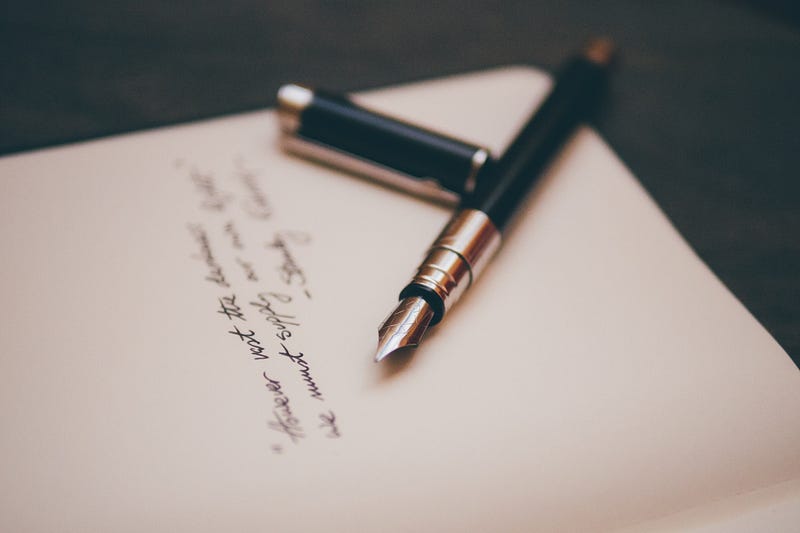
That’s right. Go ahead and send a hand-written letter.
A friend of mine told me recently that she kept a note from her former boss outlining the way he viewed her talents and potential as a leader.
She reads it from time to time to remind herself, despite sexism in the workplace and internal self-doubting messages, that she is a highly competent leader that continues to make huge contributions in her sphere of influence.
We all carry such letters. I have a small box of letters gathered over the decades from my parents, former patients, and leaders I have coached. I read them occasionally to both celebrate the past as well as remind myself of the ways that others valued my person and contribution.
Although hand-written letters seem to be an artifact of the past, consider the impact they will have on the recipients in today’s world of instant electronic communications.
The great letter writer in a previous generation was Eleanor Roosevelt. Reflect on the impact of her communication to the Daughter’s of the American Revolution. She wrote to resign from their organization after they refused to allow singer Marian Anderson, an African American, to perform in their venue in Washington DC.
Instead Ms. Roosevelt lobbied for Ms. Anderson to perform a free recital on the steps of the Lincoln Memorial before a crowd of 75,000 people.
Her letter and act put the issue of racial discrimination at front and center in the national debate.
Imagine the impact of a letter that you write, especially by hand and sent through the US or other Postal Service to a co-worker, family member, or friend. This will be especially true if that letter has a positive message focusing on the person’s potential or possibilities.
I remember a time when I gathered with a group of socially conscious people and wrote hand-written letters to the prime minister of South Africa advocating for the release of political prisoners like Nelson Mandela. I really don’t know whether the letters were read but I did feel that I was acting on my convictions about social justice.
Letter writing matters


