
Wrapped Up in Cloak
Marvel’s Newest Home Run in Promoting Original Black Superheroes
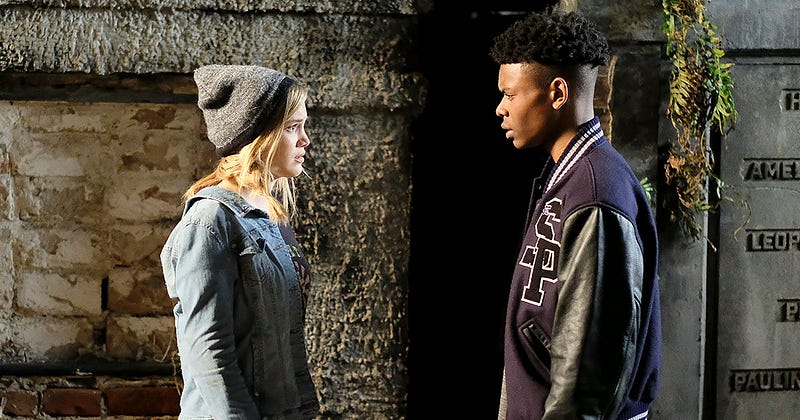
On the heels of the phenomenal box office success of the Black Panther character, Marvel has hit the mark again with the new retelling of Cloak and Dagger on Freeform. Brilliantly written, based on the first two episodes that aired last night, Cloak proves once again that existing black Marvel heroes had the ability to succeed on their own all along, if only they were properly handled.
Listen, Michael B. Jordan is a great actor, and he deserves not only all the success he’s earned so far, but all that is coming to him. That being said, the 2015 version of the Fantastic Four story in which Jordan played Johnny Storm (The Human Torch) should have never been made. The movie was an unnecessary and catastrophic failure that raked in Golden Raspberry awards for the worst work in an alarming number of categories.
The original Johnny Storm character was not only one of the most widely recognized white characters in the Marvel universe, he was supposed to be the brother of Sue Storm, who remained white in the retelling. This was lazily explained in the movie by adoption, but was vehemently rejected by fans.
The movie was a reboot of a franchise that didn’t need to be rebooted in the first place, and it was painfully clear to many that it was intended to be the flagship in Marvel’s widespread, well-intentioned, and misguided diversification efforts.
Anxious to better represent women and ethnic minorities, Marvel launched a campaign to transform a number of iconic white male heroes. When the question was raised regarding why canonical characters needed to be changed instead of simply promoting existing ethnic minority and female characters, the common answer was that it was predicted that fans would not respond to the existing characters.
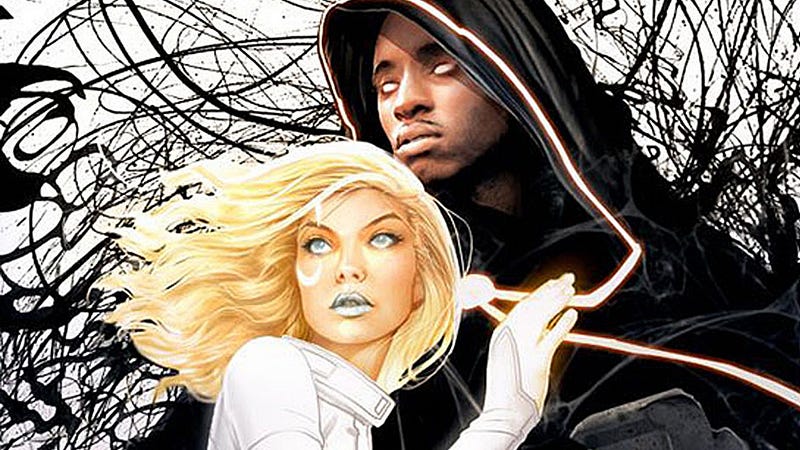
That answer could not have been more wrong. Lifelong comic book fans pushed back against the identity changes to their beloved heroes, and new fans were not inspired by the new versions. Then Marvel did what fans had suggested all along: they just improved and promoted the existing female and minority characters they’d had all along.
Luke Cage was a massive and immediate hit on Netflix, performing well enough in its launch week to have been rumored by some to have crashed the service. Regardless of the validity of that claim, Luke Cage put up impressive numbers and was hailed by many as Netflix’s biggest and best series of the year.
I don’t have to tell you what happened at the box office with Black Panther, but I will. It made over $1.34 billion, more than twice as much as DC Comics’ ensemble movie Justice League.
Last night, Marvel’s Cloak and Dagger debuted on television, and Aubrey Joseph’s “Tyrone Johnson/AKA Cloak” stole the show. Joseph was natural and compelling, commanding compassion while hinting at a carefully guarded internal well of strength and rage. The combination of the written character and the actor are pure gold.
In a presumed attempt to avoid the “young, black, urban street thug” and “privileged white socialite” stereotypes that were part of the original Cloak and Dagger character concepts, though, Marvel flipped them while still giving them an acknowledging nod. Dagger/Tandy Bowen does start out the series as the daughter of upper-class professionals living a life of privilege, and Tyrone does start out the series committing street crimes with his brother. Minutes into the show, however, the timeline has jumped forward years and their social stations have been dramatically reversed.
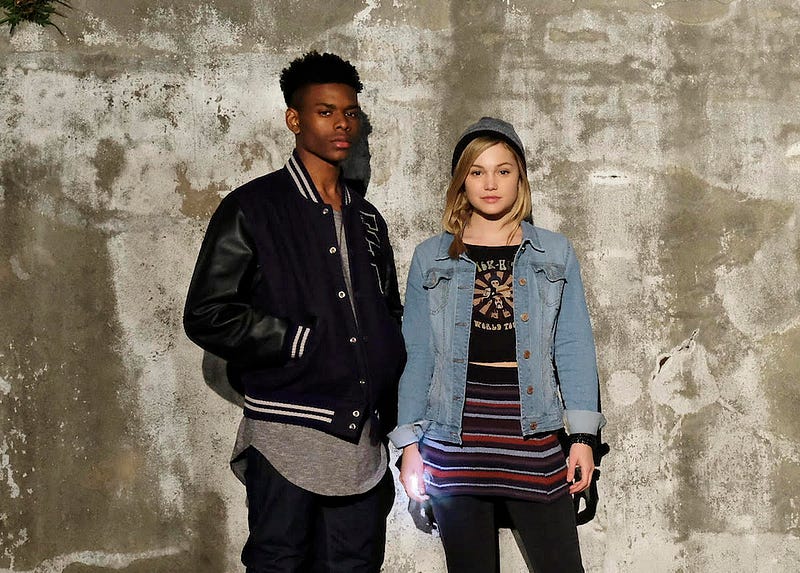
By the time they reunite to (presumably) work together as a superhero duo, Tandy is squatting in an abandoned building, having only infrequent run-ins with her drunken mother, and Tyrone is living a comfortable, suburban home life with a stable, respectable father and a professional, dynamic, powerful mother.
The transparent nature of the role reversal doesn’t make it any less commendable. What’s important is that Marvel is providing yet another positive young black male superhero with more than enough intrigue and upside to interest new and old fans alike.
The only things potentially limiting this series are a lack of widespread promotion and the fact that it appears to be targeted mostly at a teen/young adult audience. It has started off with a lot of promise, though, and, if there’s any justice in the world, it will catch like wildfire, roaring into mainstream popularity.