
Would You Trust Your Child With a Trans Person? The Numbers Speak.
Real life multiple choice.
This is a multiple choice test. Go ahead and take it. Choose all the answers that make sense to you
Who would you trust your child with?
A. A doctor?

B. A priest?

C. A coach?
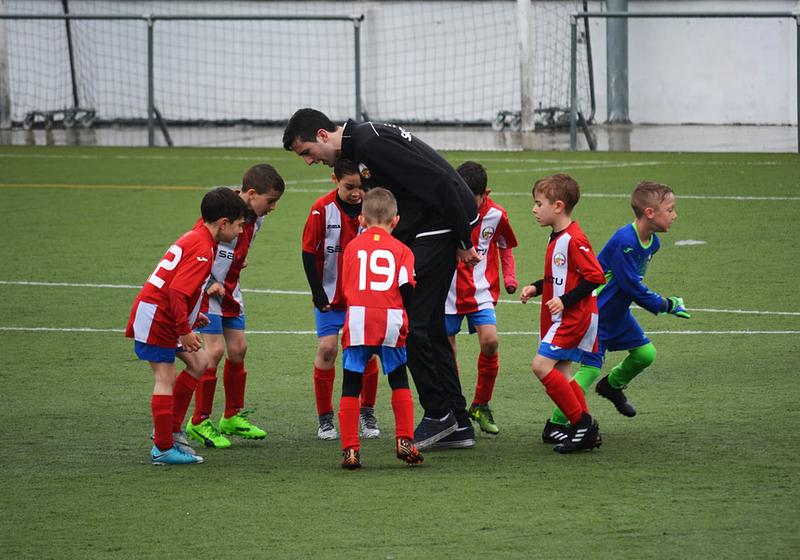
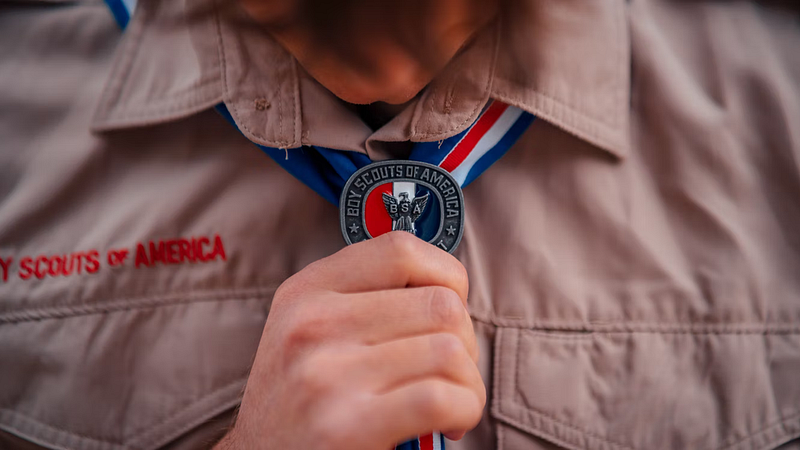
D. A Boy Scout leader?
E. A teacher?

F. A politician
G. A transgender person?

If you chose letter A through F, you exposed a child to a far greater chance of molestation than if you had chosen G.
Surprise!!! Your child is safer with a transgender person.
NOW, can I go to the bathroom????
Emma Holiday
- A new report says over 2,400 U.S. doctors have molested patients
- According to an extensive study produced by John Jay College for the United States Conference of Catholic Bishops, about 4 percent of priests in ministry from the study period (1950–2002) were accused of sexual abuse.
- 40% to 50% of athletes have experienced mild harassment to severe abuse by coaches. 2% to 8% of all athletes have been impacted by sexual abuse.
- 10 percent of students experience sexual misconduct by a teacher at some time during their K-12 school experience.
- The Boy Scouts of America believed more than 7,800 of its former leaders were involved in sexually abusing children over the course of 72 years, according to newly exposed court testimony — about 2,800 more leaders than previously known publicly.
- Lots of politicians have committed child sexual abuse, as documented in this list.
- Transgender molesters? Couldn’t find any in my google search. I am sure there are, somewhere, but not enough for any comparative statistical significance against the cisgender population. But, “Transgender people over four times more likely than cisgender people to be victims of violent crime.”
Thank you for reading my work.
Please also read:
Writers note: If you have read any of my writings on Medium you will have noticed a definite theme: the incredible pain of gender dysphoria and all the difficult aspects of just being transgender.
My writing has three specific goals:
1. Writing is my therapy. I have a very limited outlet for my thoughts so I write to find a way to process the most profound experience in my life. I need to understand and I need to accept myself to move forward.
2. Being transgender, for me, is a very lonely existence and if I can share some of the things that I feel and think as I go through the process of transitioning with others who are transgender and, in some way, lessen their pain and sense of loneliness, then all of this public exposure of my personal thoughts is not a waste.
3. I write to help cisgender people understand that all trans people want is to be simply understood, accepted and treated as a normal person. We are.


