
Literature
Would You Sell Your Soul to the Devil?
The eternal damnation of Doctor Faustus
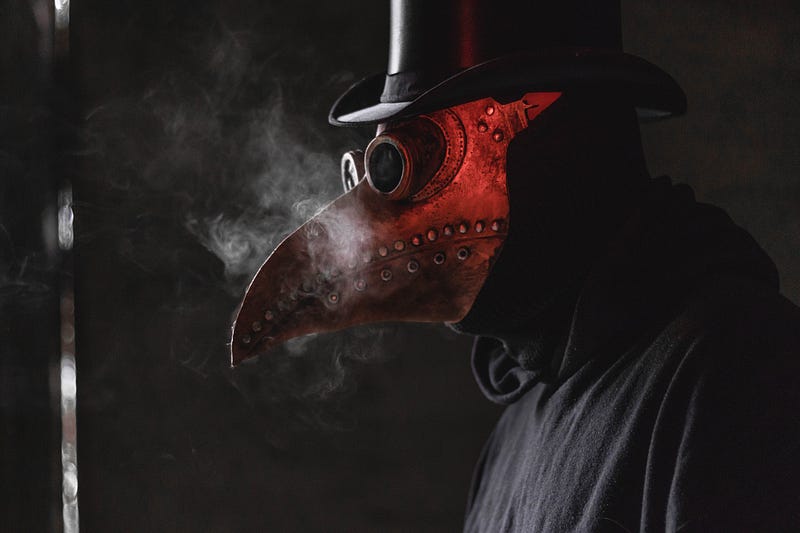
Written by Christopher Marlowe, Doctor Faustus was first published in 1604 and thought to have been performed, prior to publication in 1588.
Studying medicine and theology the doomed protagonist John Faustus gives up his scholarly studies to delve into the world of magic instead. Selling his soul to Lucifer for twenty-four years of supreme power, he soon realises the deal he made with the demon Mephistopheles, did not quell his thirst for knowledge.
Although Faustus did find fame through his magic, as his end of the deal draws ever closer, he still fails to repent his sins to God. As the thought of what he has done starts to haunt him and the clock strikes midnight, Faustus’ repentance comes too late and all that awaits, is his eternal damnation. (The British Library, 2021, [online])
This soul should fly from me and I be changed Unto some brutish beast. All beasts are happy, for, when they die, Their souls are soon dissolved in elements; But mine must live still to be plagued in hell. Cursed be the parents that engendered me! No, Faustus, curse thy self. Curse Lucifer, That hath deprived thee of the joys of heaven.
O, it strikes, it strikes! Now, body, turn to air, Or Lucifer will bear thee quick to hell.
O soul, be changed into little waterdrops, And fall into the ocean, ne’er be found! My God, my God, look not so fierce on me!
Adders and serpents, let me breathe a while! Ugly hell, gape not. Come not, Lucifer! I’ll burn my books — ah, Mephistopheles! — Christopher Marlowe
These closing lines show Faustus’ torment within himself as he battles between different ideas. He desperately searches for a way out of his fate but there is none.
‘O soul, be changed into little waterdrops, And fall into the ocean, ne’er be found!’
Conveying his anxiety at selling his soul to Lucifer and his impending doom. Faustus slowly realises he will be damned and his soul committed to eternal Hell. In these final moments Faustus tries to repent, ‘My God, my God, look not so fierce on me!’ However, his cries are not heard.

From a Christian viewpoint, Faustus would have been able to repent and Christ would have redeemed him. Throughout the play, Faustus is given countless opportunities to do so and would have been forgiven. Yet in this final scene, Marlowe comes away from the Christian viewpoint, therefore, heightening the play’s dramatic climax.
Dr. Faustus shows both Medieval and Renaissance values. The theme of damnation being the price of human pride gives the play a medieval tone. On the other hand, Faustus’ rejection of former scholars for the hunger of gaining unlimited knowledge and power, gives the impression of a Renaissance viewpoint. Nevertheless, in his final lines, he ultimately renounces these principles:
‘Ugly hell, gape not. Come not, Lucifer! I’ll burn my books — ah, Mephistopheles!’
His thirst for human knowledge and his pride has ultimately led to his downfall. He had great power, yet only gained knowledge in petty conjuring tricks and finally, his authority was of no use in saving him from eternal damnation.
Article written by Drama Llama | Educator | Writer | Academic | Consultant