

Would You Rather Live Next to a Coal or Nuclear Plant?
Nuclear and coal plants are both important sources of energy that power many electronic aspects of daily lives.
However, the role of coal-fired and similarly derived sources of unsustainable energy sources are becoming less popular with the new advents that have driven down the price of solar panels and increased solar panel efficiency.
Therefore, forms of renewable energy are becoming preferable to utilize and live next to in the future.
While coal is definitively an unsustainable form of energy, the debate to whether nuclear energy should be considered renewable or non-renewable energy relates closely to whether or not it living next to a nuclear power plant might be preferable to living next to a coal-fired plant.
Although nuclear energy relies on the extraction of finite elements such as uranium, the relative years of energy provided by a certain mass of uranium makes the resource essentially abundant for the next few hundred years at least (Chowdhury 1).
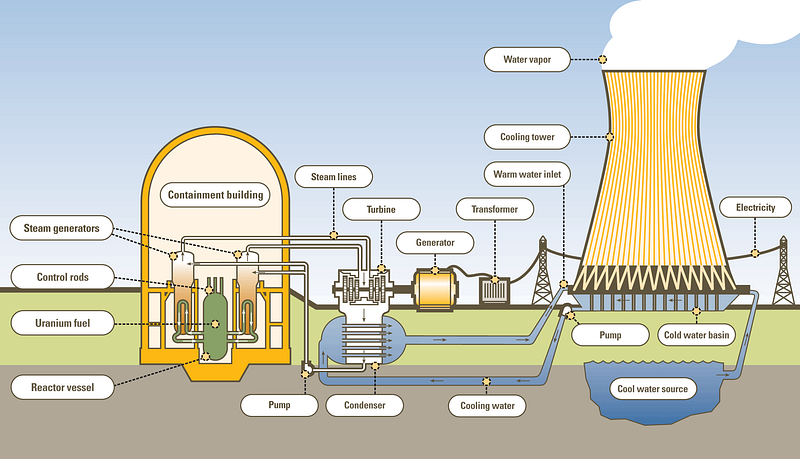
Moreover, nuclear plants are also favorable in terms of their low carbon emissions, another differentiating characteristic of nuclear power from unrenewable energy sources. However, nuclear waste from nuclear power reactors is notoriously dangerous because of its radioactivity, and in this sense living near a nuclear power plant is much more undesirable than living next to a coal-fired plant.
In consideration of these factors, it is preferable to live next to nuclear power plants for mainly environmental reasons and barring major disasters or mishandling of nuclear waste, the environment of communities surrounding nuclear power plants would be safer than that of coal-fired plants.
Primarily, this argument for the benefits of living next to a nuclear power plant in comparison to a coal-fired plant will focus on how the environment is impacted by the production of energy and briefly on how the economy of the community is impacted by the production of energy.
The environmental argument signifies the most straightforward and intuitive approach to the issue since there is obvious value in an individual’s daily health and the health of those around them are impacted directly by how the power plant changes the natural environment around itself.
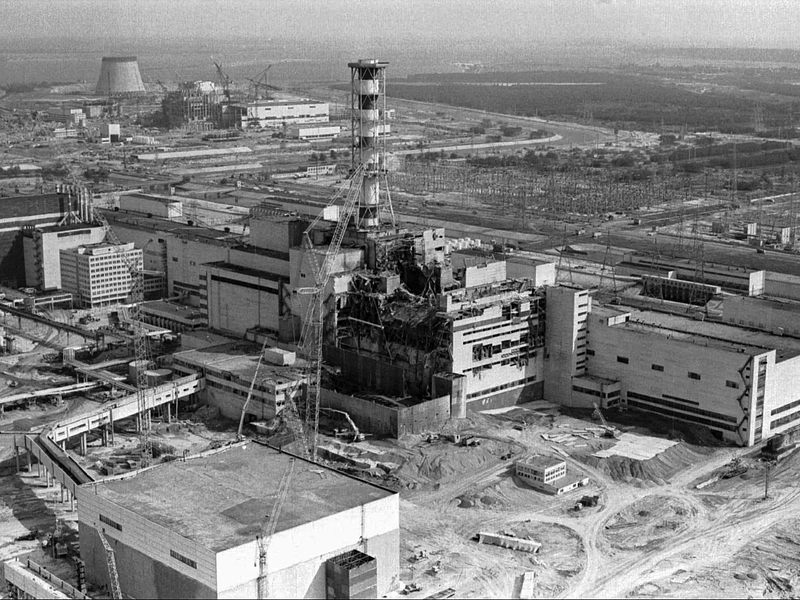
On the topic of environmental impacts, nuclear power will always be preferable to coal power in terms of its baseline emissions, barring a disaster on the scale of Chernobyl or Fukushima or in the case where dangerous nuclear waste is mishandled and people are exposed to radioactivity. The argument here is that even factoring in the environmental risk of disaster with a nuclear plant, it is still preferable to live next to a nuclear plant than a coal plant.
Let’s start by factoring in the baseline emissions of various chemicals from each type of plant. Coal plants generate a specific waste called coal ash, which are a mixture of waste products from coal combustion reactions most commonly attributed to coal plant byproducts in research papers. A study remarks that:
“In 2012 in the United States, coal-fired power plants were responsible for producing 110 million tons of coal combustion residuals, commonly referred to as coal ash. The majority of coal ash is stored in landfills and slurry ponds, often located in close proximity to low income communities” (Zierold and Sears 357).
Besides carbon emissions that are implicated to contribute to global climate change, the other major concerns of coal-fired plant emissions on health lie in the coal ash waste and various small waste particulates that remain after the combustion process.
Coal ash is composed of a number of toxic compounds including heavy metals like arsenic, mercury, lead, cadmium, as well as polycyclic aromatic hydrocarbons and even radioactive elements (Zierold and Sears 357).
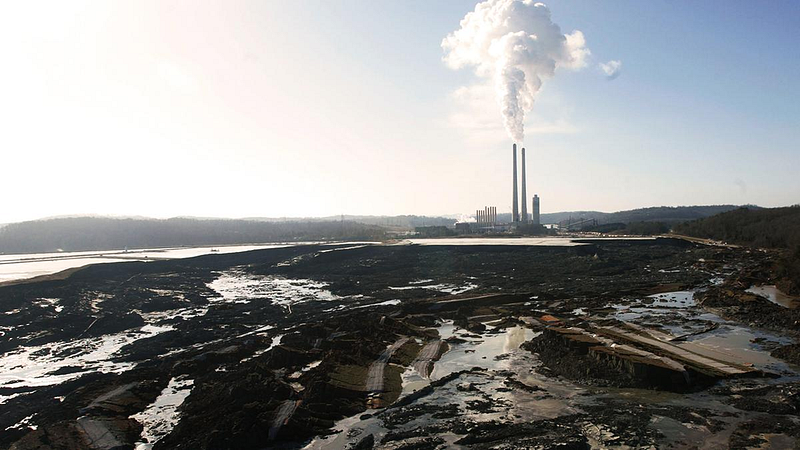
The accumulation of heavy metals in the body, famous examples being mercury or arsenic, can lead to painful disorders and death, while other compounds such aromatic hydrocarbons are prominent carcinogens (cancer-causing agents or chemicals). Zierold and Sears also claim that the small, spherical fly ash (60–70% of coal ash) waste has the potential to:
“…penetrate deep into the lungs and enter the bloodstream. Furthermore, as particle size decrease, the surface area and pollutant concentration increases” (358).
They back these results up with a number of case studies detailing the deleterious effects of coal ash on the health of children living near waste storage facilities. They also remark that regulations regarding coal ash are not federally mandated but instead state-mandated, and that states themselves provide little to no regulation (Zierold and Sears 358).
On the other hand, nuclear power plants themselves are not without similar toxic effects, but the extent and exposure that a community receives from radioactive waste and the generation of nuclear energy is tightly regulated. Despite this, there are still famous examples that should attract cautious and vigilant attitudes towards nuclear waste.
One such example is that of Yucca Mountain in Nevada, which was designated as to be a large repository for spent nuclear fuel and waste. Of course, this waste is radioactive and from its initial proposal in 1987 to its eventual termination (end of federal funding by Obama administration) in 2011, it has garnered deep controversy.
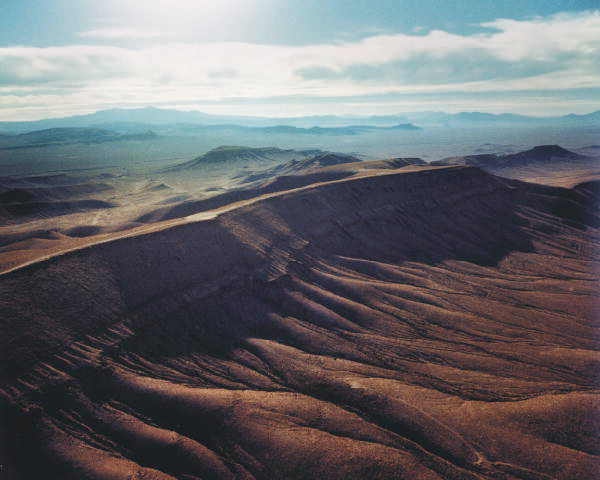
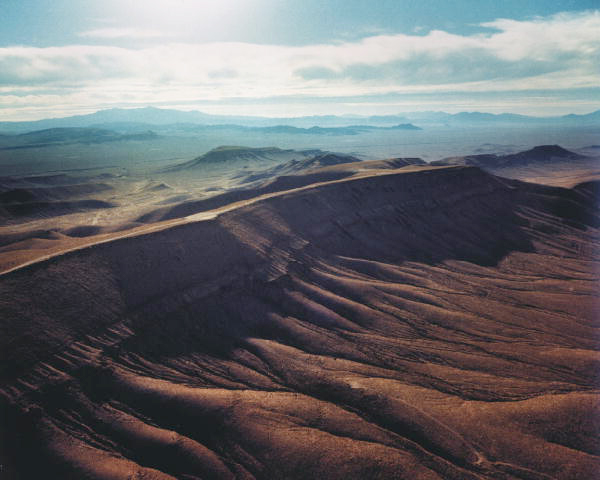
Part of the reason that construction of the site was halted arises from the complaints lodged by residents living in a dangerous proximity to this waste:
“Assemblyman Joseph Hogan… says he’s concerned about the trucks carrying spent nuclear waste through Clark County to Yucca Mountain…the hazards of hauling this dangerous waste through populated areas that not only affects the residents but the tourists” (Ryan 1).
As far as the background radiation increases from living near a nuclear power plant, an article examining the impact of nuclear waste on communities uses the Linear Non-Threshold Theory to relate cancer risk to one’s distance to a nuclear power plant. This article takes a clear stance against nuclear power critics, citing that cancer is rarely caused by background radiation and that:
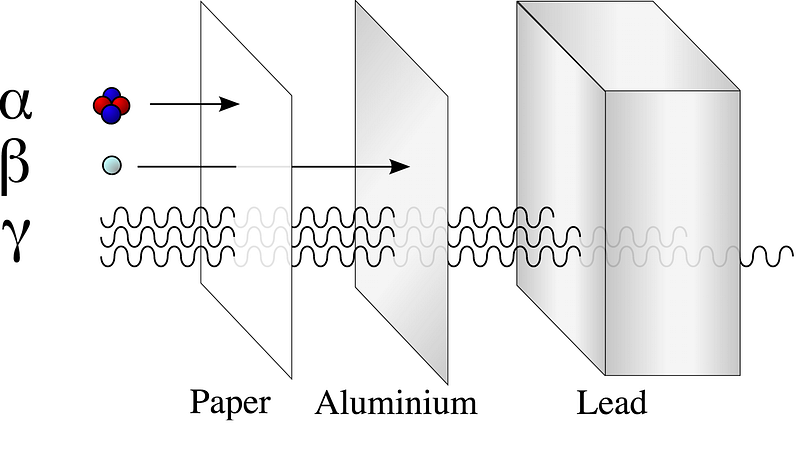
“Although it is physically impossible, critics warn of a Chernobyl type disaster in a licensed U.S. reactor. Doses to millions of people 20 miles away from the plant are calculated to receive radiation equal to 1% of natural background radiation” (Rossin 815).
Although the author is slightly facetious and mocking in his tone, he highlights the important point that nuclear reactors in the U.S. are under strict regulation, and that the nuclear power plants produce negligible exposure to people living a number of miles away from the plant, which is considered “next to” that plant.
As a brief point about the role that economics plays, if a power plant is deactivated, it will likely have economic implications on the communities that are near it, since that power plant probably supplies a portion of its generated energy to its surrounding communities so the cost of living in that community is impacted by the presence of the plant.
Nuclear power and coal-fired power in the domestic United States are both considered less desirable sources of energy in the current economic field. While other countries such as China are reviving nuclear energy through massive projects, the United States is not so keen on expanding its existing energy generated through nuclear plants. The Economist remarks:
“In places like America and Europe, where electricity demand is growing slowly, there is rising interest in small, flexible ones. In fast-growing markets like China, large nuclear plants make more economic sense” (1).
Meanwhile, solar energy and similar renewable forms of energy are simply becoming more efficient and cheaper in relation to coal energy to the point where renewable energy appears to be overtaking energy generated by nonrenewable sources.
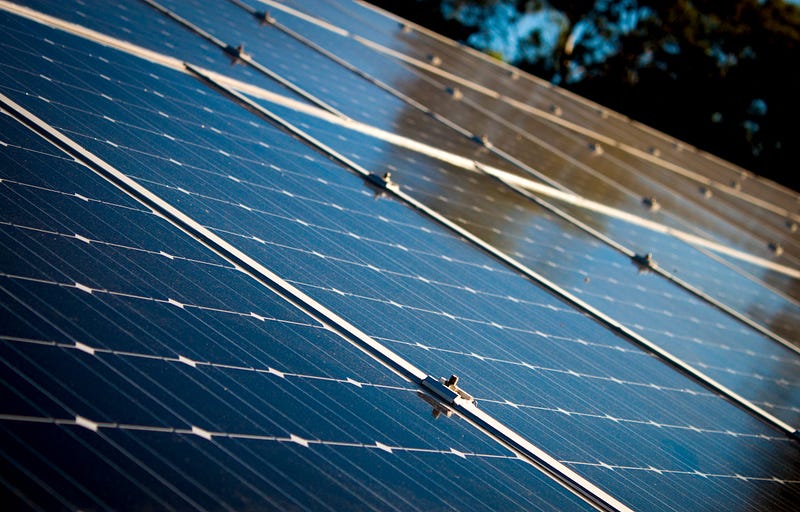
According to a report by the International Energy Agency, renewable energy passed coal as the world’s biggest source of power-generating capacity in 2015 (The Economist 2016). In any case, there is no clear economic advantage to living next to a coal-fired plant in comparison to a nuclear plant in the immediate future because strictly renewable sources of energy like solar have the potential to phase out both coal and nuclear energy if their prices drop far enough and if industry regulators permit it.
Ultimately, the conclusion to draw about the differences in environmental impacts are that because nuclear energy and power plants are tightly regulated in the United States by both state and federal measures while coal ash is not regulated or managed at all, it is better to live next to a nuclear power plant, in my opinion.
The additional fact is that the increase in radiation that one receives while living “next to” a nuclear power plant is negligible compared to what one is already exposed to by just existing, the background radiation.
The link between nuclear radiation from power plants and an increased risk of cancer is weak, while the data regarding the heavy metals and aromatic hydrocarbons and their harmful impacts to health are robust and demonstrable.
From a purely environmental standpoint, it is better to live next to a nuclear power plant than a coal-fired plant. Though it may also be useful to point out that one living next to a nuclear power plant is different than living next to a nuclear deposit or waste storage site, with the radioactive effects of the latter being much more dangerous because of the lack of long-term methods in handling radioactive waste once it reaches its final destination.
A coal-fired plant often releases the aforementioned pollutants directly into the atmosphere and the handling of coal ash waste is insufficient due to state regulatory laxness towards coal ash.
PS: If you’ve enjoyed my work and want to support me, you can become a Medium member using my link for a relatively low cost of $5 or so per month!
Further Reading and References
Chowdhury, Navid. “Is Nuclear Energy Renewable Energy?” Is Nuclear Energy Renewable Energy? Stanford University, 22 Mar. 2012. Web. 06 Mar. 2017.
“How to Build a Nuclear-power Plant.” The Economist. The Economist Newspaper, 28 Jan. 2017. Web. 06 Mar. 2017.
Rossin, David A. “Marketing Fear: Nuclear Issues in Public Policy.” American Behavioral Scientist 46.6 (2003): 812–21. Web.
Ryan, Cy. “Nye County, Sandoval Clash over Future of Yucca.” LasVegasSun.com. N.p., 16 Mar. 2012. Web. 06 Mar. 2017.
“Wind and Solar Advance in the Power War against Coal.” The Economist. The Economist Newspaper, 27 Oct. 2016. Web. 06 Mar. 2017.
Zierold, Kristina M., and Clara G. Sears. “Community Views About the Health and Exposure of Children Living Near a Coal Ash Storage Site.” Journal of Community Health 40.2 (2014): 357–63. Web.