
Would You Be Black If You Could?
A white mother with a black daughter explains the reasons for BLM for white people who have zero knowledge of the black community
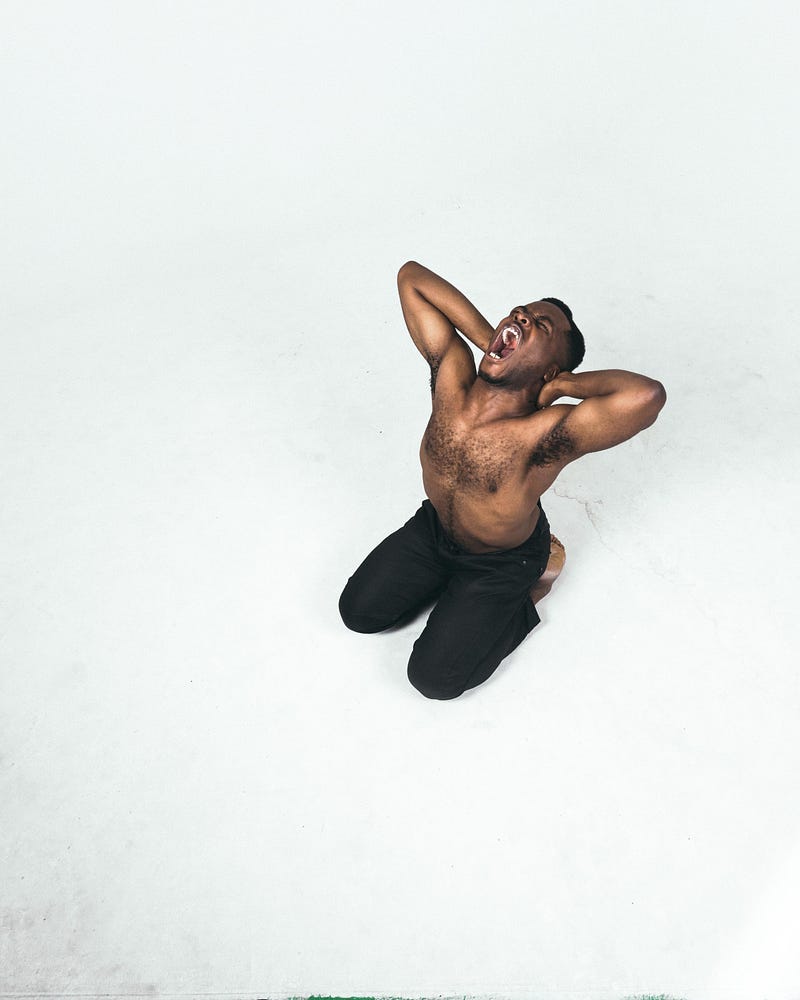
We should all be able to love the skin we are in — but can we?
Yes, I am a white woman. Yes, I have a biracial daughter. Yes, I grew up in poverty-stricken neighborhoods. I have also thrived in the wealthiest areas of Silicon Valley. However, one question remains the same – would I change my skin color?
As I am sure all of us are aware, there has been a severe problem with systematic racism in the united states for quite some time. The BLM movement is getting some oppressive heat from white people. Aside from the obvious, “all lives matter,” It feels as though white people aren’t coining that term for the sake of saying we all matter — it seems to be a statement of feeling left out. Dear white people, we aren’t left out. BLM isn’t a movement saying only black lives matter — its saying black lives matter too. Many people say this shouldn’t even be an issue, and I agree; however, you cant expect a group of people to understand your plight if they have never lived it.
My experience as a white woman
I grew up in the inner city of Cleveland, Ohio; I was the only white girl in my school and neighborhood. Let me let you in on a little secret. The inner cities aren’t as violent as you think, nor are they racist like you feel. Sure, I had my fair share of getting my butt whooped for being “white,” and I have also seen and been involved in crime in my youth. Nonetheless, that is the same in every neighborhood. Racism and violence thrive in every city, white, and black communities alike.
I have also spent many years living in the suburbs, the “rich” areas as you might say, and the funny thing is, I felt accepted in Cleveland, more so than in Silicon Valley.
The sense of community in Cleveland was more robust; the best times of my life were spent in Cleveland as a child.
I have lived both sides of the coin, I have suffered, and prospered, I have worked, I have stolen, I have witnessed families starving, I have also seen families thriving, I have experienced ain. I have thrived.
I am well aware of the struggles of both communities; however, the lives at stake right now, aren’t white. We all suffer; we all commit a crime; we all have been victims — black, and white. But black people are standing up to fight against their people being attacked, and as white people, instead of standing up saying what about us, we need to stand down and say what about them.
Being a white woman with a black man
When I moved to California, my boyfriend from Cleveland flew out to live with me. A black man. It wasn't long before the “looks” came, the glances from black women, the disgusted looks from white women, black men telling my boyfriend to stay in his lane, and white men telling me I should be ashamed. The hatred for us being together was almost as thick as my anger towards them.
Cops would stop my boyfriend and me, asking if I was “OK.” as if being with a black man meant I was in danger — that is something white people don't have to worry about.
Years passed, and we had a beautiful baby together – obviously, a mixed child. You’d think that seeing mixed couples and children would allow people to see past color, but actually, it seemed to aggravate them more.
I felt sickened, being looked at as if my daughter wasn’t mine — it was heart-wrenching. How do I explain this to her when she is older? Do I tell her she is hated because of her skin? How do I teach her about racism without teaching her to dislike the white side or black side?
This is the problem in America, hatred is growing, and it doesn't seem to be slowing down.
Why myself and other white people wouldn't change their skin color
I wouldn’t change my skin color because I don’t want to be hated for my complexion. Not because I am proud to be white, or because i feel that I am better – but because with dark skin, comes hatred and racism. And any white person who says they would change is flat out lying.
Being white, I don’t have to fear being shot by a cop; I don’t have to worry about being discriminated against for my skin color. However, I do fear for my baby’s father’s life and my Childs life. I fear he will be shot and killed when he takes our daughter to the park. I fear my daughter being bullied, beaten, shot when she grows up. Why? Because their skin is dark.
White privilege isn’t saying that white people are better, and in no way should white people be offended by this term; it merely means we don’t fear for our lives because of our skin. And if you think that white privilege is crap, then, would you change your skin tone?
Takeaways
Enough is enough, for the white people saying all lives matter, this statement is only valid if you are including black lives — which doesn’t seem to fit the plan, being that you have only created all beings matter for the sake of being involved. We are included; the problem is blacks are excluded.
Why are we offended that BLM is a thing? I see people making excuses, “But the rioting, and violence!” Excuse me? While I don’t agree with the violence, do you not see the pain, over many years, being poured out into the streets? Or are you choosing to ignore it?
So yes, I am a white woman who believes all lives matter, but at the moment, black lives are in danger, and to say or assume otherwise makes you look as though you are jealous and genuinely believe you are privileged. Which then again, goes back to what white privilege is.
If you’d like to stay informed on my articles, follow me down the rabbit hole!


