
World food crisis: Putin’s strategies
What Vladimir Putin has proposed to the head of the African Union Macky Sall
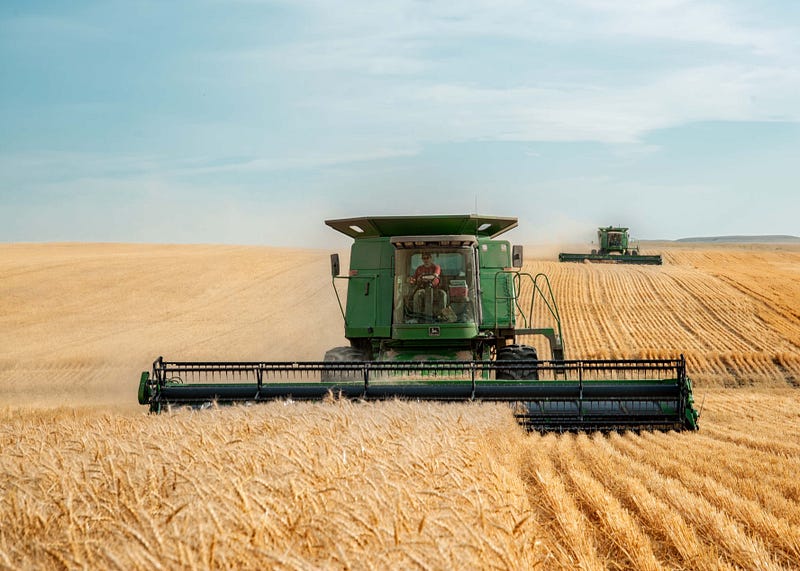
On Friday 3 June, the head of the African Union, Macky Sall, met with Russian President Vladimir Putin in the Russian city of Sochi, in order to plead the continent’s fears about the food crisis that seems to be on the verge of unleashing worldwide. This terrible prevision is mainly caused by the blockage of grain exports in Ukraine and by the conflict that has continued since February 24.
After three hours of talks, Sall seemed “very reassured and happy” by the dialogue just concluded, finding Putin “committed and aware that the crisis and sanctions create serious problems for weak economies, such as African ones”. The truth, however, is linked to the fact that the Russian President, with the lack of intention of becoming the scapegoat for this delicate situation, wanted to use this meeting as an opportunity to illustrate his version of this wheat crisis. In fact, he explained that he is not at all responsible for the millions of tons of grain stopped in the Black Sea ports.
According to Putin, the blame must fall on the West itself. Firstly, the “unfavorable situation of the global food market”, as he called it, began with the coronavirus pandemic of 2020. Later, it was the sanctions, from the first to the sixth package launched by the European Union, which in these circumstances have only caused worsening.
The fact is that FAO predicts eight to thirteen million more hungry people if this crisis continues in the coming months. In particular, African countries will be the hardest hit, importing more than half of their wheat from Kyiv and Moscow. No more ships are leaving Ukrainian ports, so in August the question of where to store the new crop will arise. In fact, Ukraine alone is the fifth largest exporter of wheat in the world and supplies 46% of world trade. In other words, now more than ever agreements need to be found quickly, to avoid the spread of such difficulties. The cereals in the silos of Odesa, Mariupol, or Kherson still have one month before they begin to rot.
Here then are the four solutions proposed by Vladimir Putin for the export of wheat, as well as for the green light for the use of ports on the Black Sea. These, in a few hours, have brought prices back to the values of early April, even if they must be analyzed with adequate attention.
Russian ships
The first solution would involve the ports of Mariupol and Berdiansk. These were captured by Russian troops in the first hundred days of “special military operation” and, according to Putin, are beginning to be de-mined.
Obviously, Ukrainian ships could not come close, so it would remain the unknown which boats, flying international flags, could dock in these ports, considering the trade bans imposed by Western sanctions.
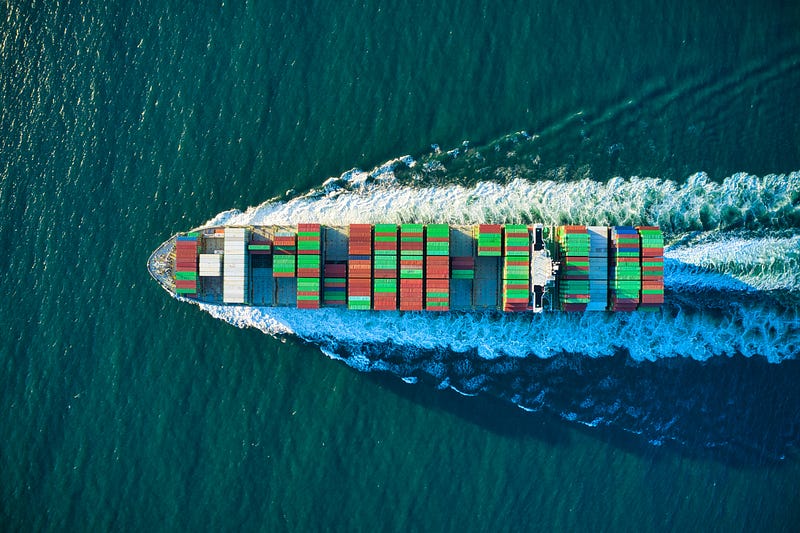
In this context, a solution would therefore be to use the Russian ships themselves for the export of cereals, which Ukraine would however consider, in these circumstances, as “stolen”. Nevertheless, the possibility is that these goods will then only reach the African or Middle Eastern countries that have not voted on sanctions against Moscow, which is an unfair and unacceptable scenario.
Odessa
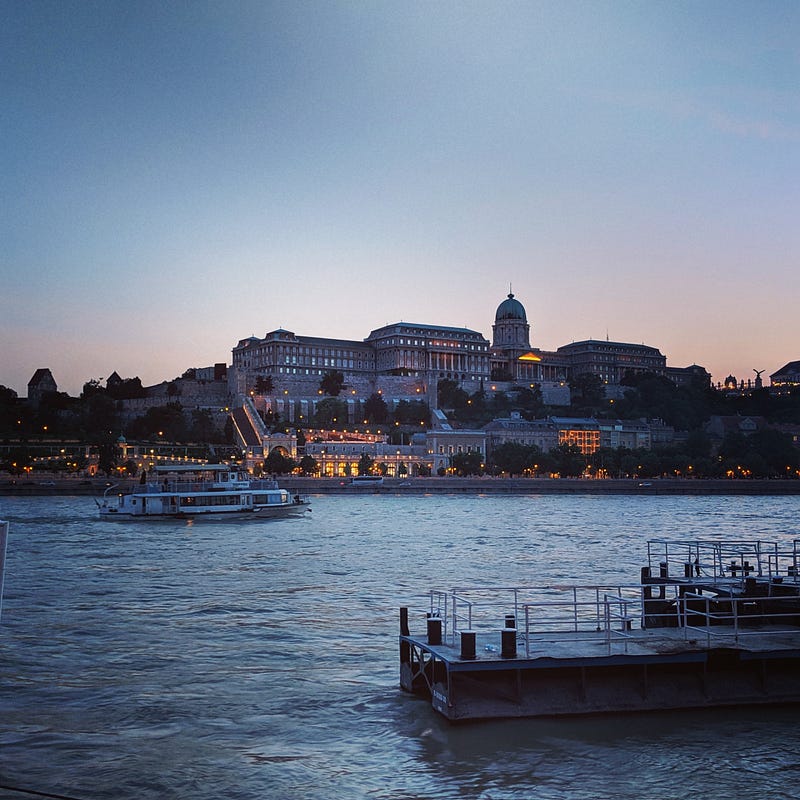
The second option would involve the use of ports still under Kyiv’s control, such as Odesa. Naturally, this would happen on a fundamental condition, which is as long as the waters are cleared of mines and of “deliberately sunk ships” by Ukraine itself. This is because according to Russia, most of the mines in the area were planted by the Kyiv forces themselves, even if they claim the opposite.
Anyway, following this process the Kremlin would guarantee “the safe passage of ships in international waters”, without “exploiting the situation to launch attacks from the sea”.
A demining would, however, be possible only with the intervention of other countries, such as Turkey, Bulgaria, Romania, or Italy, but it would be NATO contingents and the times would be too long.
River ports
The third solution would be to consider river ports on the Danube, transporting then cereals “via Romania”, or even “via Hungary or via Poland”.
However, many would be the difficulties in this context. There would be four ports available, but still too old and small, unable to offer great possibilities. The calculation would then be no more than 300,000 tons per month.
Likewise, road transport would be impossible, due to the price of fuel, customs or security checks. Only 20,000 tons per day would be moved.
Belarus
Finally, the last solution would consider Belarus, which is to use the Mink routes to bring grain to the Baltic Sea and to Europe.
However, in doing so, the cargoes would always remain under Moscow’s control and would pass through the territory of a regime allied to the Kremlin. Furthermore, it is clear that the Belarusian leader Aleksandar Lukashenko would allow the transit of cereals only if the West eliminated the sanctions that have now been incumbent on the regime for two years, after the bloody repression of opponents.
This condition is naturally impossible. Just last week, the European Council approved the sixth package of sanctions, which also affects 195 prominent personalities from Minsk and 35 institutions.
Sources I was inspired to write this article:
- Vladimir Putin promises to facilitate Ukrainian wheat export to Africa, published by Le Monde
- Il grano rubato da Putin e le 4 soluzioni difficilmente realizzabili offerte dallo Zar, published by Il Corriere della Sera
- Grano ucraino, le condizioni di Putin: “Dai miei porti o dalla Bielorussia”, published by La Repubblica
- Putin spiega la sua versione del grano all’Africa (e centra l’obiettivo), published by Huffington Post
I am an Italian student who tries every day to improve her English. I really like writing and studying in this language, also to be able to reach more people. However, I still often run into mistakes. So, if while reading my article you have found some, do not hesitate to contact me, either through a comment or a private note!