
WORKING FROM HOME | REMOTE WORKING
Working From Home: How Do You Switch Off?
If you are struggling to unplug from your day job here are some suggestions.

If you’re working remotely, it’s likely you manage your own schedule rather than working the standard 9–5, but you still need to find the time to switch off and relax in the evening.
If you struggle to unplug from your day job, here are some of my suggestions.
Mode: Do Not Disturb AKA Switch off all notifications:
I mentioned this one in a previous post about staying productive, and it works the same for switching off. It’s important for colleagues to understand and respect your downtime, once you’re offline and don’t want to be pulled back into the conversation, turn your notifications off. Remember: your communication with the team (or clients) doesn’t need to be 24/7.
Tell your team you’re logging off:
If you’ve got a team working across multiple time zones, it’s likely you’ll get messages after hours. It might be 11 pm for you, but that’s 9 am somewhere! If you don’t want to receive these messages from coworkers throughout the evening then send a message out to your team telling them you’re signing off. This can be as simple as a Slack message or an email letting them know that “I’m off now but I will catch up on the rest tomorrow”. Getting into the habit of letting your team know when you’re offline will also allow you to switch off as you won’t feel obliged to keep replying throughout the night.
Resist checking your work emails:
After you’ve signed out of Slack, and closed your laptop for the night, you need to resist checking your inbox impulsively — your emails will still be there in the morning, I promise. I am so guilty of this; I mostly read them from my phone without any action, which in some cases is even worse as I waste time thinking about it, only to have to address it again in the morning. Communication is key when working remotely, but it’s equally important to protect your freedom.
Workspace:
It’s super important to keep your workspace and living space separate. If you’re sitting in the same place you’ve worked from all day, you’ll find it difficult to switch off in the evening, as your brain is still in work mode.
Fresh Air:
If you’re a remote worker, it’s likely that you don’t leave the house during work hours (especially during the global pandemic). Of course, having no commute is great but it does mean you’re cooped up in the house all day. Walk around your garden (if you have one) and although country dependant, if you are able to go out for a daily stroll, do. Take in the fresh air, move your body and refresh your thoughts. Before the pandemic, I used to do this most days after work, for at least an hour — now I am reducing my time outside but fortunate enough to enjoy fresh air and lunch-time stretching here.
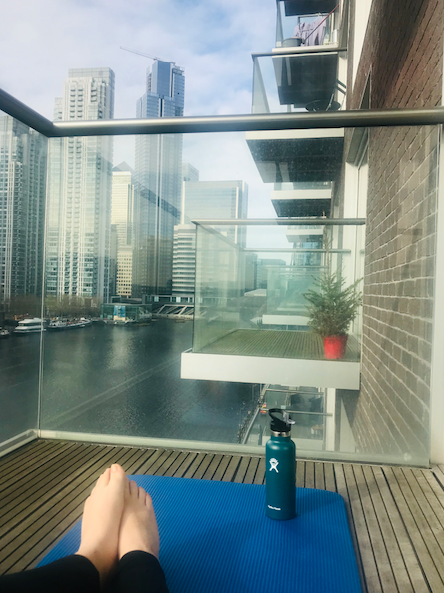
Find a hobby:
If you find it difficult to take your mind off work, find something else you enjoy doing outside of work hours. Try doing a home workout, join a virtual book club, get creative in the kitchen and start cooking some new recipes, start sketching — find what works for you. Your new hobby will introduce you to new people and have non-work related conversations. You’ll be switched off in no time!
Learning to switch off is important. Focusing your thoughts on work-related problems after hours will waste your energy as they won’t be resolved until the morning. So, try to find ways to switch off and you will feel more motivated and ready to tackle whatever tomorrow brings.
How do you currently switch off from work?
If you enjoy reading stories like this and you want to support me, why not consider signing up for a Medium membership? It will only cost you $5 a month — and you’ll get access to all stories on Medium!
If you use this link, I will earn a small part of that, otherwise, if you want to stay updated when I share a new story, you can signup here, for my free newsletter!


