
Work Life Balance: Tips for Effective Stress and Time Management
Harmony Between Work and Life: Effective Strategies for Managing Stress and Time
As a working professional, I understand the importance of balancing work and personal life. The concept of work-life balance is to manage your professional responsibilities effectively while ensuring that you have enough time to live a fulfilling personal life.
However, finding the right balance can be challenging, and it can lead to stress and anxiety if not managed correctly. Therefore, it is essential to have strategies for stress management and time management to maintain a healthy work-life balance.
We’re just warming up! Take a leap towards your potential with our free trainings, coaching blueprints, and achievement frameworks waiting for you in my bio. Accelerate your growth and achievements starting now!
Key Takeaways
- Understanding work-life balance is crucial to maintaining a healthy personal and professional life.
- Effective stress management strategies include identifying stress triggers, prioritizing tasks, delegating responsibilities, and taking breaks to recharge.
- Time management strategies include setting clear goals and priorities, allocating time for each task, and avoiding distractions to manage time effectively.
Stress management is crucial to maintaining a healthy work-life balance. Work-related stress can lead to burnout, which can negatively impact your physical and mental health. By managing stress, you can improve your focus, productivity, and self-confidence.
Effective stress management strategies include identifying stress triggers, prioritizing tasks, delegating responsibilities, and taking breaks to recharge.
Time management is another essential aspect of maintaining a healthy work-life balance. Effective time management can help you prioritize tasks, reduce procrastination, and improve productivity.
It is crucial to set clear goals and priorities, allocate time for each task, and avoid distractions to manage your time effectively. By managing your time effectively, you can have more time for leisure activities and personal interests, leading to a fulfilling personal life.
Understanding Work-Life Balance

As someone who has experienced the challenges of balancing work and personal life, I understand the importance of achieving a healthy work-life balance. In this section, I will define what a healthy work-life balance is, discuss the impact of work on health and relationships, and explore the challenges in achieving balance.
Defining a Healthy Work-Life Balance
A healthy work-life balance is a state where an individual can effectively manage both their personal and professional responsibilities, without one area overshadowing the other. It involves setting boundaries and priorities that allow for the integration of personal interests and professional responsibilities. Achieving a healthy work-life balance is not about achieving a 50/50 split between work and personal life, but rather, it is about finding a balance that works for the individual.
Impact of Work on Health and Relationships
Work can have a significant impact on an individual’s health and relationships. The demands of work can lead to stress, burnout, and other health issues. Additionally, work can also impact an individual’s relationships with family and friends, as it can consume a significant amount of time and energy. A lack of work-life balance can result in decreased job satisfaction, strained relationships, and a decline in overall well-being.
Challenges in Achieving Balance
Achieving a healthy work-life balance can be challenging, as it requires setting clear priorities and boundaries. It can be difficult to separate work and personal life, especially with the increasing demands of work and the prevalence of technology.
Additionally, there may be external factors, such as family responsibilities or financial constraints, that can make it difficult to achieve balance. However, by being intentional about setting priorities and boundaries, and by seeking support when needed, individuals can work towards achieving a healthy work-life balance.
In conclusion, understanding what a healthy work-life balance is, recognizing the impact of work on health and relationships, and acknowledging the challenges in achieving balance are all important steps in achieving a healthy work-life balance.
By being intentional about setting priorities and boundaries, and by seeking support when needed, individuals can work towards achieving a balance that works for them.
Strategies for Stress Management
As someone who has struggled with managing stress in the past, I have learned a few effective strategies that have helped me maintain my mental, physical, and emotional well-being. Here are some techniques that can help you manage stress in your daily life:
Identifying Stressors and Triggers
The first step to managing stress is to identify the sources of stress in your life. This can include work-related stress, financial stress, relationship stress, and more. Once you have identified your stressors, it is important to recognize the triggers that cause you to feel stressed. This can include specific situations, people, or events. By understanding your stressors and triggers, you can develop effective coping mechanisms to manage stress.
Effective Relaxation Techniques
Relaxation techniques such as meditation, deep breathing, and progressive muscle relaxation can help reduce stress levels and promote relaxation. Meditation and mindfulness have been shown to be effective in reducing anxiety, depression, and high blood pressure.
Deep breathing exercises can help lower stress levels by slowing down your heart rate and promoting relaxation. Progressive muscle relaxation involves tensing and relaxing different muscle groups in your body to help release tension and promote relaxation.
Building a Support System
Having a support system can help you manage stress and cope with difficult situations. This can include family members, friends, or mental health professionals. It is important to surround yourself with people who are supportive and understanding.
Talking to someone about your stressors and triggers can help you gain perspective and develop effective coping mechanisms. Additionally, joining a support group or participating in group therapy can help you connect with others who are going through similar experiences.
By implementing these strategies for stress management, you can reduce your stress levels and improve your overall well-being.
Remember to be patient with yourself and to seek help if you are struggling with chronic stress. The American Psychological Association recommends seeking professional help if stress is interfering with your daily life.
Time Management Essentials
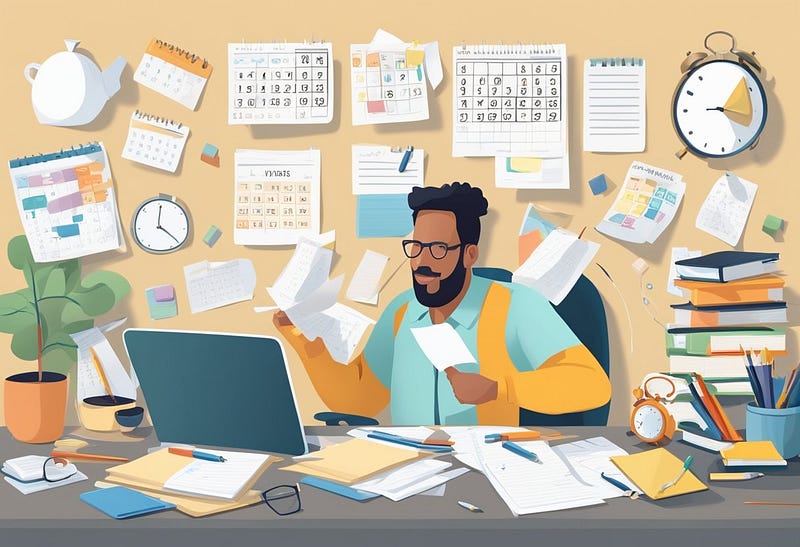
As someone who values work-life balance and understands the importance of managing stress effectively, I have found that time management is one of the most essential skills to master.
By setting priorities and goals, minimizing distractions and time wasters, and taking breaks and downtime, I have been able to improve my productivity, achieve my goals, and fulfill my responsibilities without sacrificing my well-being.
Setting Priorities and Goals
To effectively manage your time, it is important to set clear priorities and goals. This can be done through journaling, creating to-do lists, or using time management tools such as calendars and apps. By identifying your most important tasks and breaking them down into smaller, more manageable steps, you can stay focused and make progress towards your goals.
Minimizing Distractions and Time Wasters
Distractions and time wasters can be a major obstacle to effective time management. Some common distractions include social media, email notifications, and unnecessary meetings.
By minimizing these distractions and creating a distraction-free environment, you can stay focused and make the most of your time. Additionally, taking regular breaks and disconnecting from work can help you recharge and stay motivated.
The Role of Breaks and Downtime
Taking breaks and downtime is crucial for maintaining productivity and managing stress. By scheduling regular breaks throughout the day and taking time off for vacation or personal activities, you can prevent burnout and improve your overall well-being. Additionally, engaging in activities such as exercise or listening to music can help you relax and stay focused.
Overall, effective time management is essential for achieving work-life balance and managing stress effectively. By setting priorities and goals, minimizing distractions and time wasters, and taking breaks and downtime, you can improve your productivity and fulfill your responsibilities without sacrificing your well-being.
Maintaining Physical and Mental Health
As someone who values work-life balance, I know that taking care of my physical and mental health is crucial. In this section, I will discuss the importance of exercise and diet, the benefits of sleep and relaxation, and the importance of self-care and personal time.
Importance of Exercise and Diet
Regular exercise and a healthy diet are essential for maintaining physical health. Exercise not only helps us stay in shape, but it also releases endorphins, which can improve our mood and reduce stress. Incorporating a variety of exercises into our routine, such as cardio, strength training, and stretching, can help us achieve optimal physical health.
In addition to exercise, a healthy diet is also crucial for maintaining physical health. Eating a balanced diet that includes plenty of fruits, vegetables, lean proteins, and whole grains can provide us with the nutrients we need to stay healthy and energized.
The Benefits of Sleep and Relaxation
Getting enough sleep and relaxation is essential for maintaining optimal mental health. Lack of sleep can lead to mood swings, decreased productivity, and increased stress levels. On the other hand, getting enough sleep can improve our mood, increase our productivity, and reduce stress levels.
Relaxation techniques, such as meditation, deep breathing, and yoga, can also help us manage stress and improve our mental health. Incorporating these techniques into our daily routine can help us feel more relaxed and centered.
Self-Care and Personal Time
Self-care and personal time are crucial for maintaining both physical and mental health. Taking time for ourselves to engage in activities we enjoy, such as hobbies, can help us recharge and reduce stress levels. Additionally, engaging in conversations with loved ones and seeking professional help when needed can also help us maintain optimal mental health.
In conclusion, maintaining physical and mental health is essential for achieving work-life balance. By incorporating regular exercise and a healthy diet, getting enough sleep and relaxation, and taking time for self-care and personal time, we can achieve optimal physical and mental wellness.
Thank you for exploring our content! What captured your attention? Comment below! Stay connected for updates by following us and find an endless well of inspiration in our bio. Here’s to infinite inspiration!
God Bless :)


