
Wordsworth’s Lake District
The 13 Lake District places every Wordsworth-lover should visit
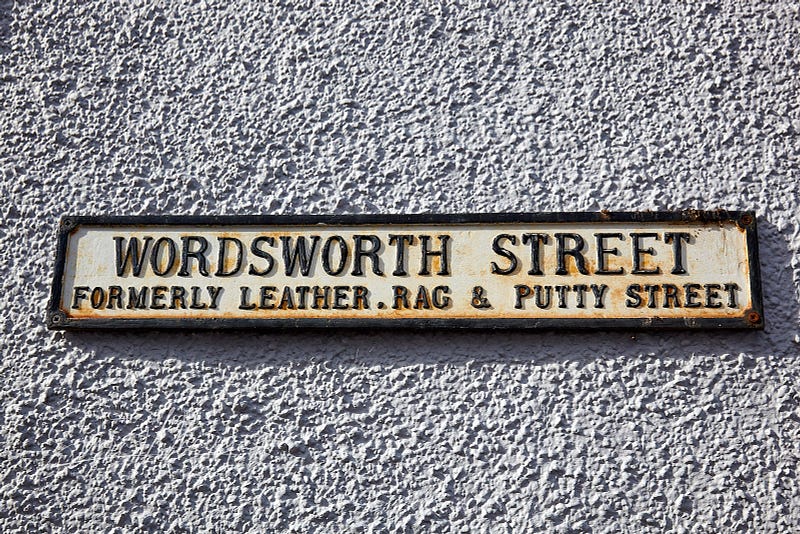
William Wordsworth is one of Britain’s most famous poets, and was Poet Laureate from 1843 until his death in 1850. He spent most of his life in the UK’s Lake District (except a few brief years elsewhere in the UK, or touring Europe), which means you can’t go far in the Lake District without coming across a Wordsworthian connection!
Wordsworth House, Cockermouth
This orange-hued Georgian property dominates Cockermouth’s High Street, and is where William Wordsworth was born on 7th April 1770.
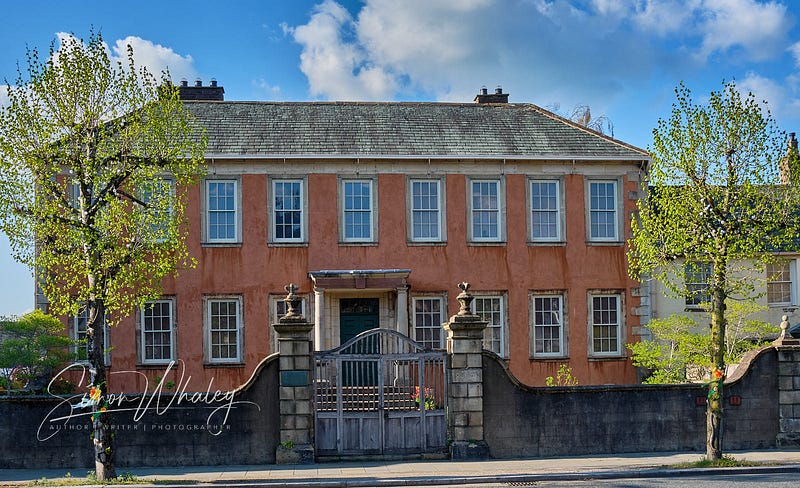
Indeed, noted architectural observer, Sir Nikolaus Pevsner, commented in his book (The Buildings of England — Cumberland and Westmorland) that Wordsworth House has:
”quite a swagger house for such a town”
It was owned by Sir John Lowther (who built the port town of Whitehaven and owned the Lowther Estate), and William Wordsworth’s father, John, worked as an agent for Lowther, which enabled him to live there, rent-free.
Visitors today will see the house dressed as it would have been in Wordsworth’s days. There’s also a fascinating garden, which was restored after Cockermouth’s devastating flood in 2009, and now looks as it would have done in Wordsworth’s childhood days.
Hawkshead Grammar School
Opened in 1585, Hawkshead Grammar School is where Wordsworth was in school between 1778 and 1786 (aged 8 to 16). Like many schoolchildren, he carved his name into the wooden desks used here, which is still visible to this day.
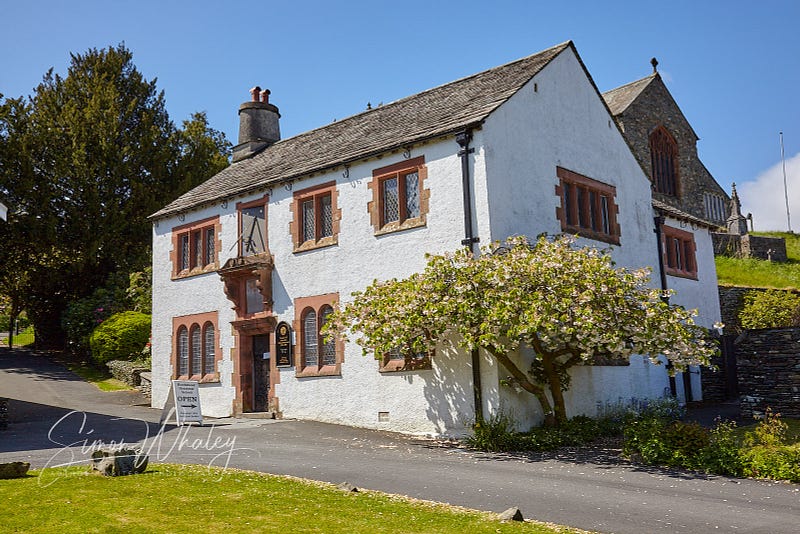
The school itself was built by Edwin Sandys, who was born in Hawkshead in 1519, and became Archbishop of York. He wanted to give local children opportunities, and so Hawkshead Grammar School was designed to help children reach Cambridge University. While here, they were taught Latin and Greek grammar, as well as maths, geometry, modern history, classics, and the sciences.
Because the school was built from the funding of an Archbishop, children were expected to attend . . .
St Michael’s And All Angels Church, Hawkshead
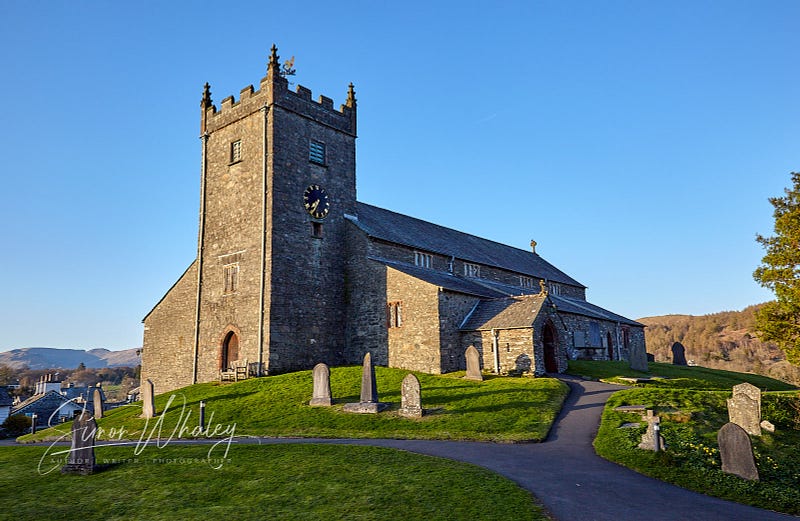
This unusual church dominates Hawkshead’s skyline, perched as it is on a hill overlooking the village and the Grammar School. Wordsworth attended services here, while he was at school, and often wrote about the church in his poems.
In The Prelude, he wrote:
”I saw the snow-white church upon her hill, Sit like a throned Lady, sending out A gracious look all over her domain.”
(At the time, the church’s exterior was whitewashed, hence the snow-white description).
Ann Tyson’s Cottage, Hawkshead
The Wordsworth family home in Cockermouth was nearly 40-miles away, making daily travel to school impossible. So, just like most children studying at Hawkshead Grammar School, Wordsworth boarded in a local woman’s house.
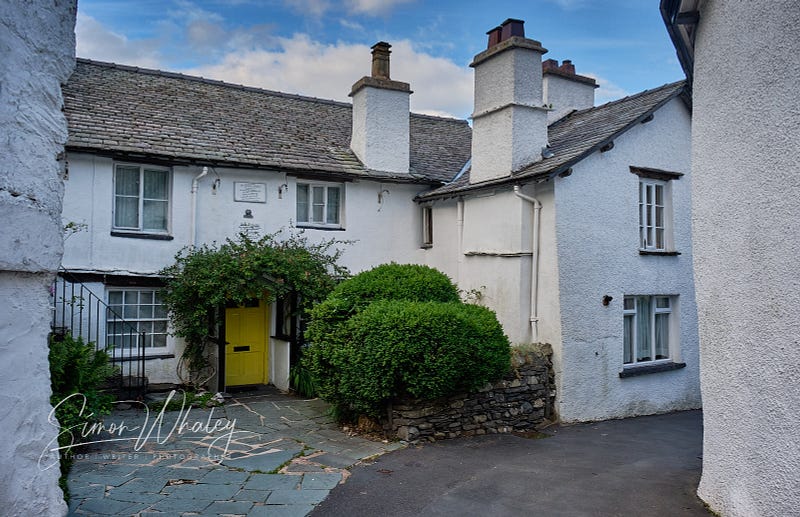
And you can too, for today, Ann Tyson’s Cottage is a Guest House. It’s an ideal base from which to explore Hawkshead, including the church, and the Grammar School, as well as nearby . . .
Colthouse
Ann Tyson, didn’t always have a cottage in Hawkshead. When Wordsworth started attending the Grammar School, Tyson owned a cottage in the neighbouring hamlet of Colthouse.
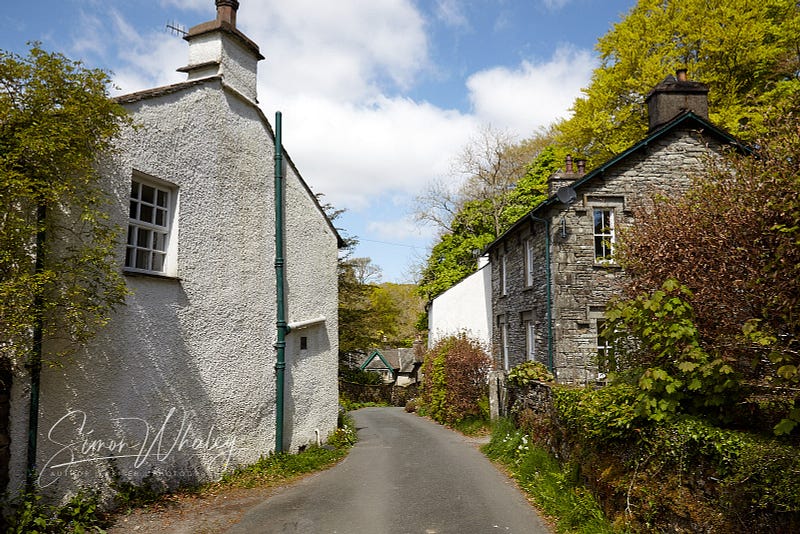
Sadly, it’s not known which house it is in the hamlet that Tyson owned, but it’s a pleasant stroll across the fields to explore this wonderful Lakeland Gem.
Esthwaite Water
Just south of Hawkshead and Colthouse lies the tranquil lake of Esthwaite Water. When not in school, Wordsworth would often play in the water with his friends.
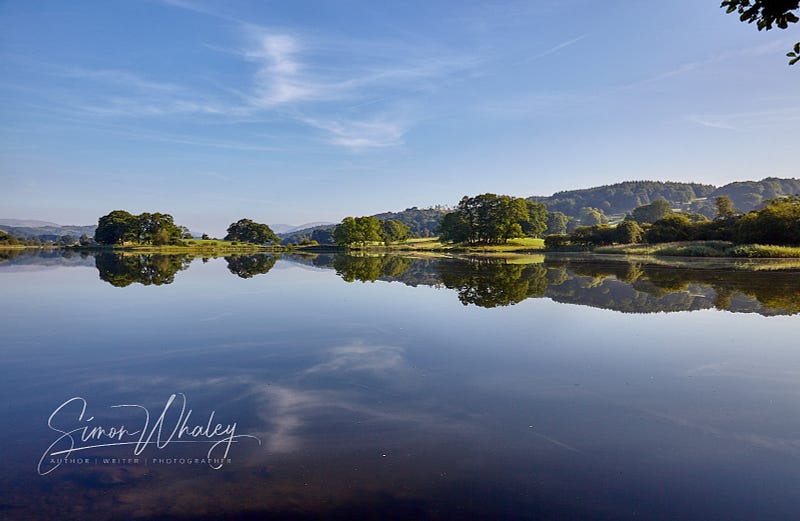
Years later, in his A Guide to the Lakes, Wordsworth suggested tourists should approach Hawkshead from:
”Bowness, crossing the lake by the ferry — then past the two villages of Sawrey, and on quitting the latter, you have a fine view of the Lake of Esthwaite, and the cone of one of the Langdale Pikes in the distance”
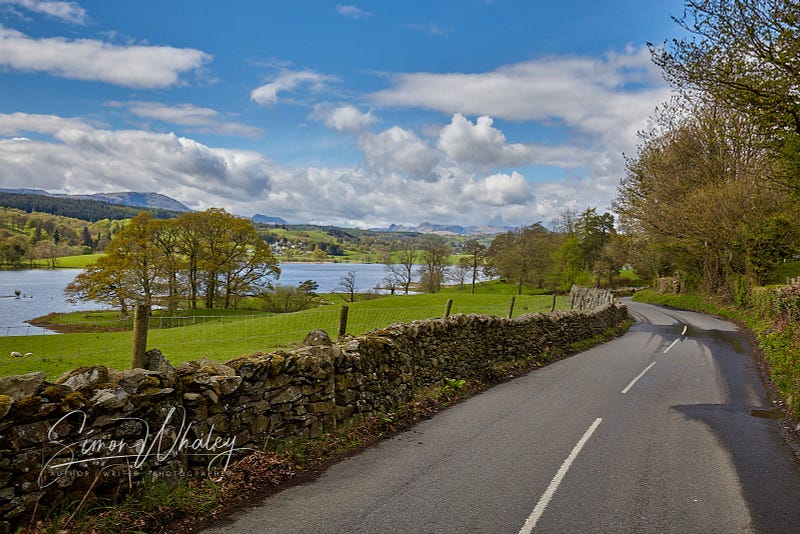
It’s a view that hasn’t changed much from Wordsworth’s day.
Dove Cottage, Rydal
Dove Cottage is where Wordsworth lived from the age of 29, between 1799 and 1808, with his sister, Dorothy, and later his wife and children. (Yes, it was a bit cramped!)
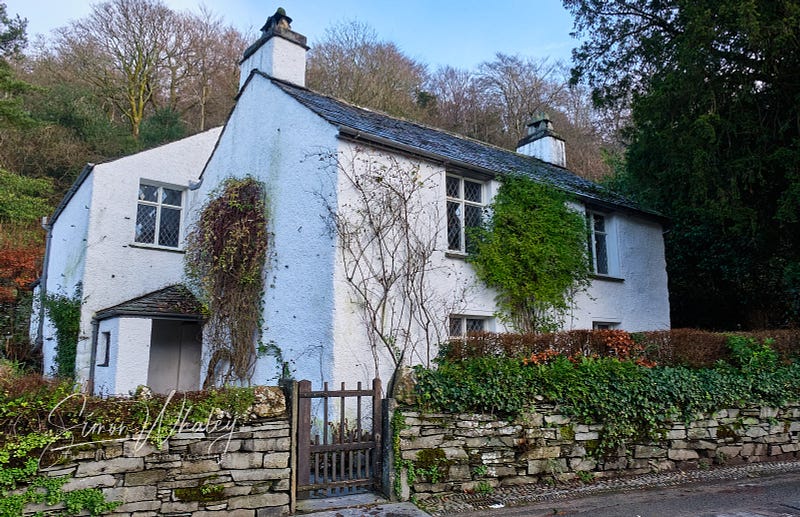
Dove Cottage sits in the small hamlet of Town End, on the outskirts of Grasmere, in the central Lake District.
It was called Dove Cottage because before being a dwelling it operated as an inn, called the Dove and Olive.
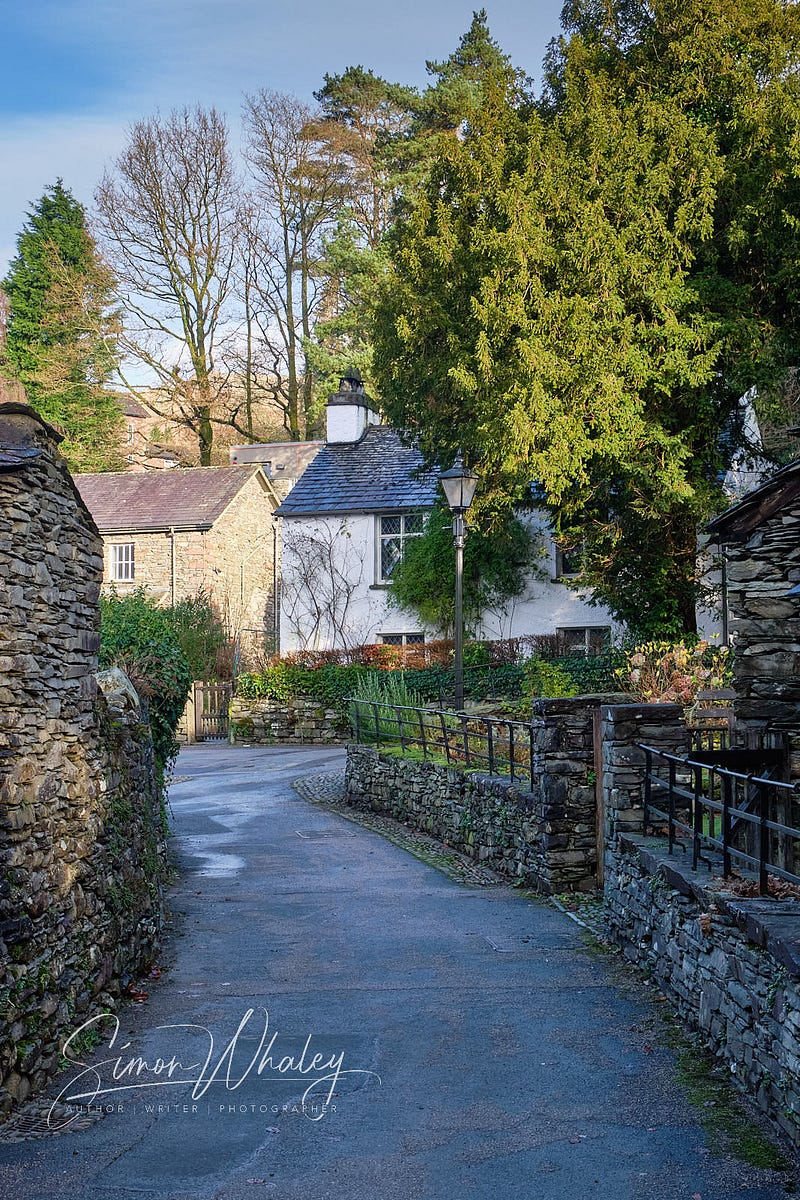
It’s now owned by the Wordsworth Trust, who manage it alongside the gardens and the museum. It is while he was living here, that he wrote his best works. He was frequently inspired by the local area, and he thought nothing of walking miles. One of his best friends, Samuel Taylor Coleridge, lived in Keswick, some 12 miles away, and the Wordsworths thought nothing of wandering there, on foot, and to stop by for afternoon tea, before wandering back again.
Ullswater — Glencoyne Bay
It was while walking along the banks of Ullswater, at Glencoyne Bay, that Wordsworth’s sister, Dorothy, spotted a daffodil, and then some more, and then a huge swathe along the shoreline. In her diary, she wrote:
”When we were in the woods beyond Gowbarrow Park, we saw a few daffodils close to the water side. We fancied that the lake had floated the seed ashore and that the little colony had so sprung up. But as we went along there were more and more and at last under the boughs of the trees, we saw that there was a long belt of them along the shore, about the breadth of a country turnpike road.”
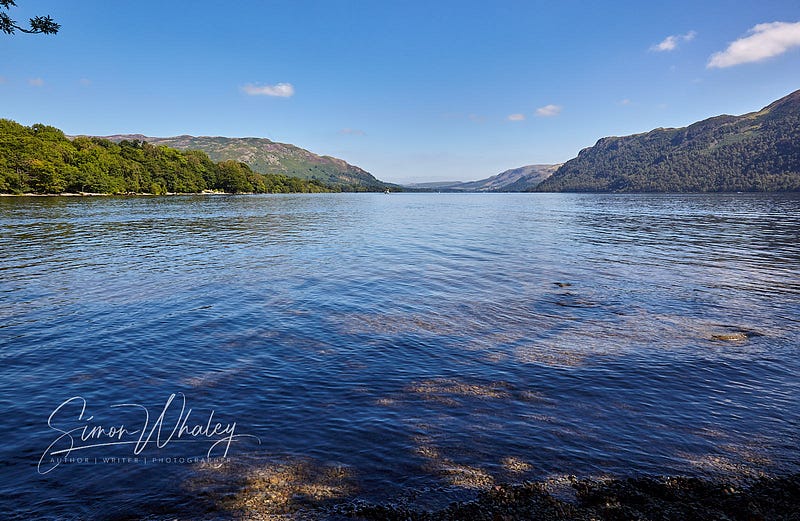
This, in turn, inspire Wordsworth to write one of his most famous poems: The Daffodils, which includes the lines:
”I wandered lonely as a cloud That floats on high o’er vales and hills, When all at once I saw a crowd, A host, of golden daffodils; Beside the lake, beneath the trees, Fluttering and dancing in the breeze.”
Allan Bank, Grasmere
Allan Bank overlooks the lake at Grasmere and, at first, when it was being built, William thought it an eyesore. But in 1808, with three children, a wife, and his sister Dorothy outgrowing Dove Cottage, Allan Bank was the only big enough house available in Grasmere.
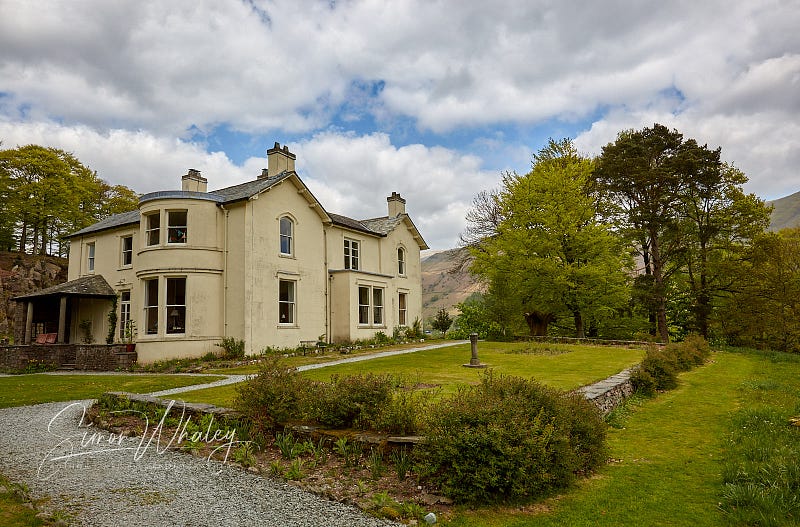
Reluctantly, Wordsworth took a lease on the property, but because they moved in, in late Spring, things seemed to go well. Dorothy wrote in her journal:
””We already feel the comfort of having each a room of our own”
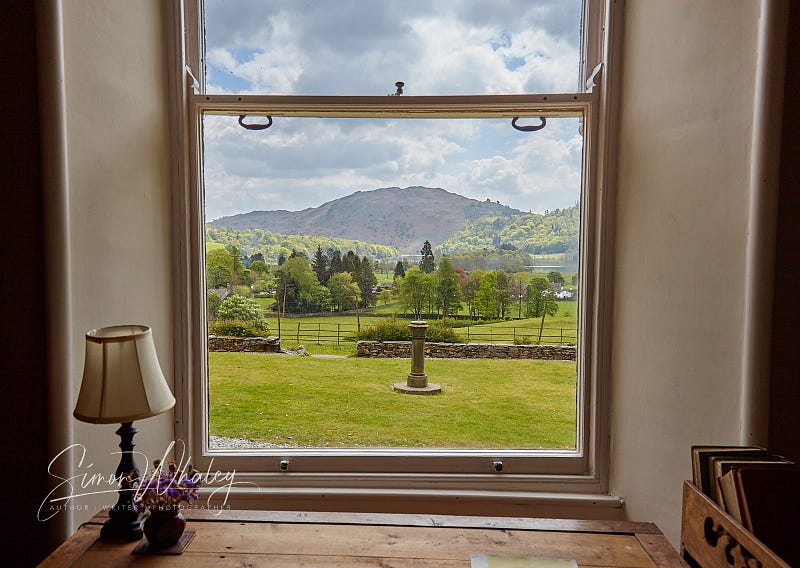
But it was not to last. As winter drew near, they soon learned that the chimneys smoked so badly they made the room uninhabitable. Dorothy wrote:
””dishes are washed, and no sooner set in the pantry then they are covered with smoke”
They complained to the landlord, who failed to make changes, and so they fell out with him, leaving a two years later to take up temporary residence in The Parsonage in Grasmere, while they looked for something more suitable.
Rydal Mount and Gardens
They found it at Rydal Mount, in 1813. Lying between Grasmere and Ambleside, and with wonderful views over the Lakeland Fells, Rydal Mount is where William and his family moved to and stayed for the rest of their lives.
Today, the house is still owned by the Wordsworth Family, and the five-acre gardens retain much of the character that William Wordsworth designed himself.
St Mary’s Church, Rydal
Surprisingly, when you consider how much walking the Wordsworths did, the walk from Rydal Mount to St Oswald’s Church in Grasmere (approximately 3 miles) became quite frustrating. Presumably, they had to wear their Sunday best for Church, and a three-mile trek in your Sunday best means those clothes don’t remain your Sunday best for long.
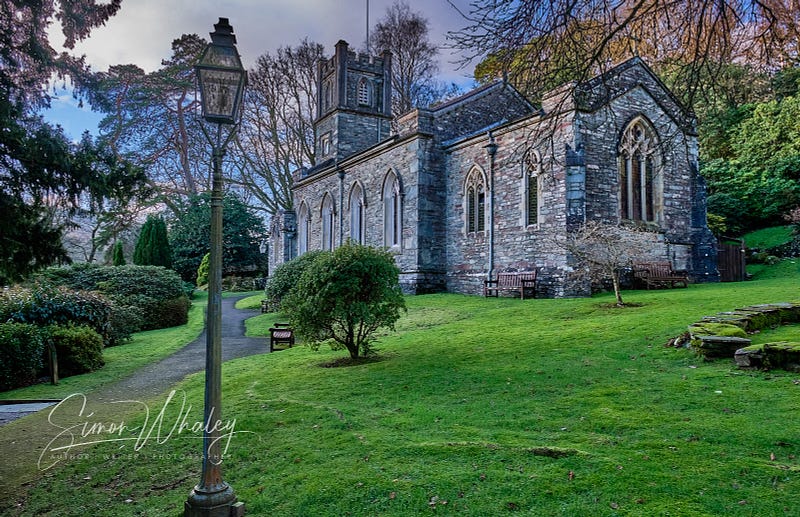
So, when Lady Fleming of nearby Rydal Hall stumped up enough cash to build a church closer to Rydal, a certain William Wordsworth stepped forward to help choose the spot! (At the bottom of the road of Rydal Mount — he clearly didn’t want too far to have to walk!)
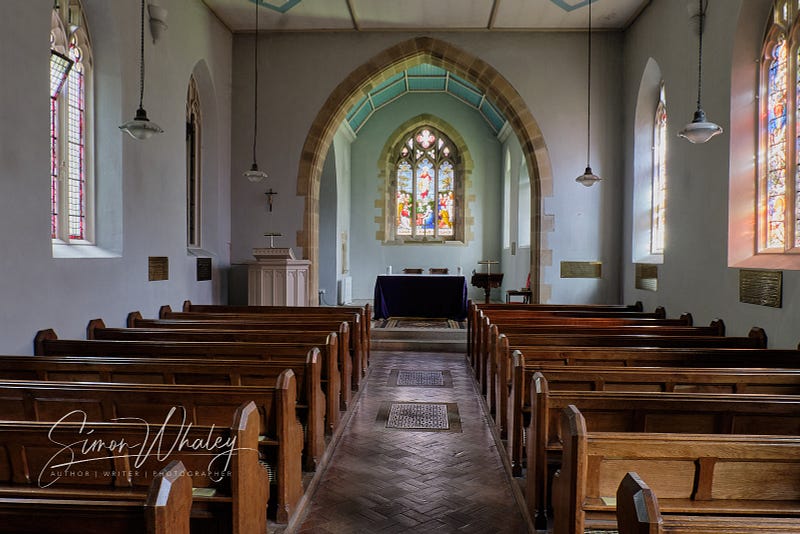
Opened in 1824 (on Christmas Day) and consecrated in 1825, William Wordsworth was churchwarden here in 1833. The Wordsworth family pew is the one directly in front of the pulpit.
Dora’s Field
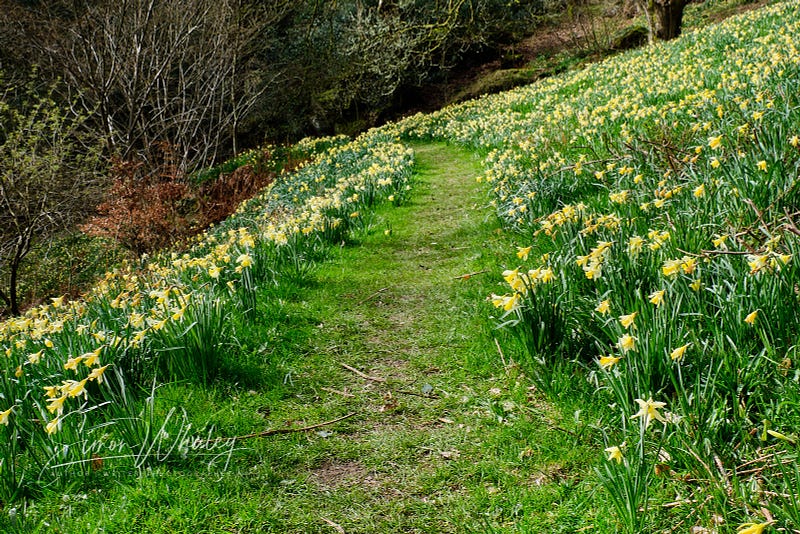
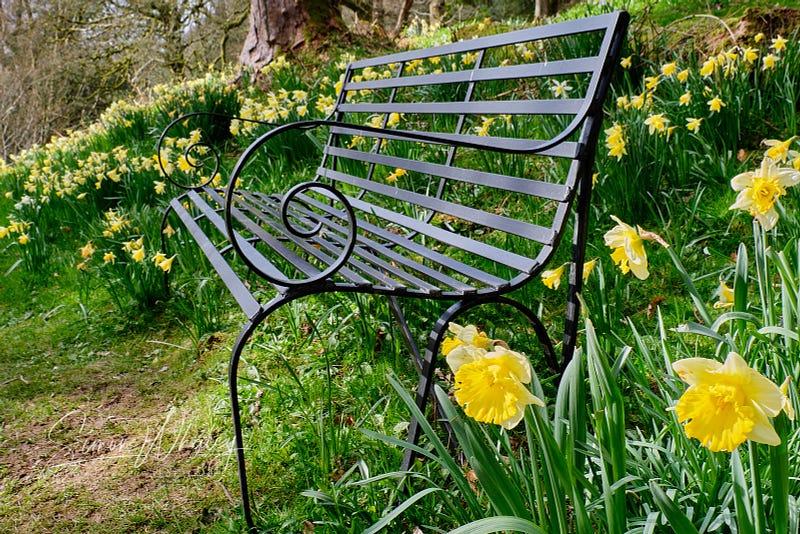
Next door to St Mary’s Church is Dora’s Field. It’s named after William’s daughter, Dora, who died in 1847. In memory of her, William and his wife Mary, along with his sister Dorothy, and their gardener, planted hundreds of daffodils in the field in her memory. Each spring, those daffodils bloom into a thick carpet of yellow joy.
St Oswald’s Church, Grasmere
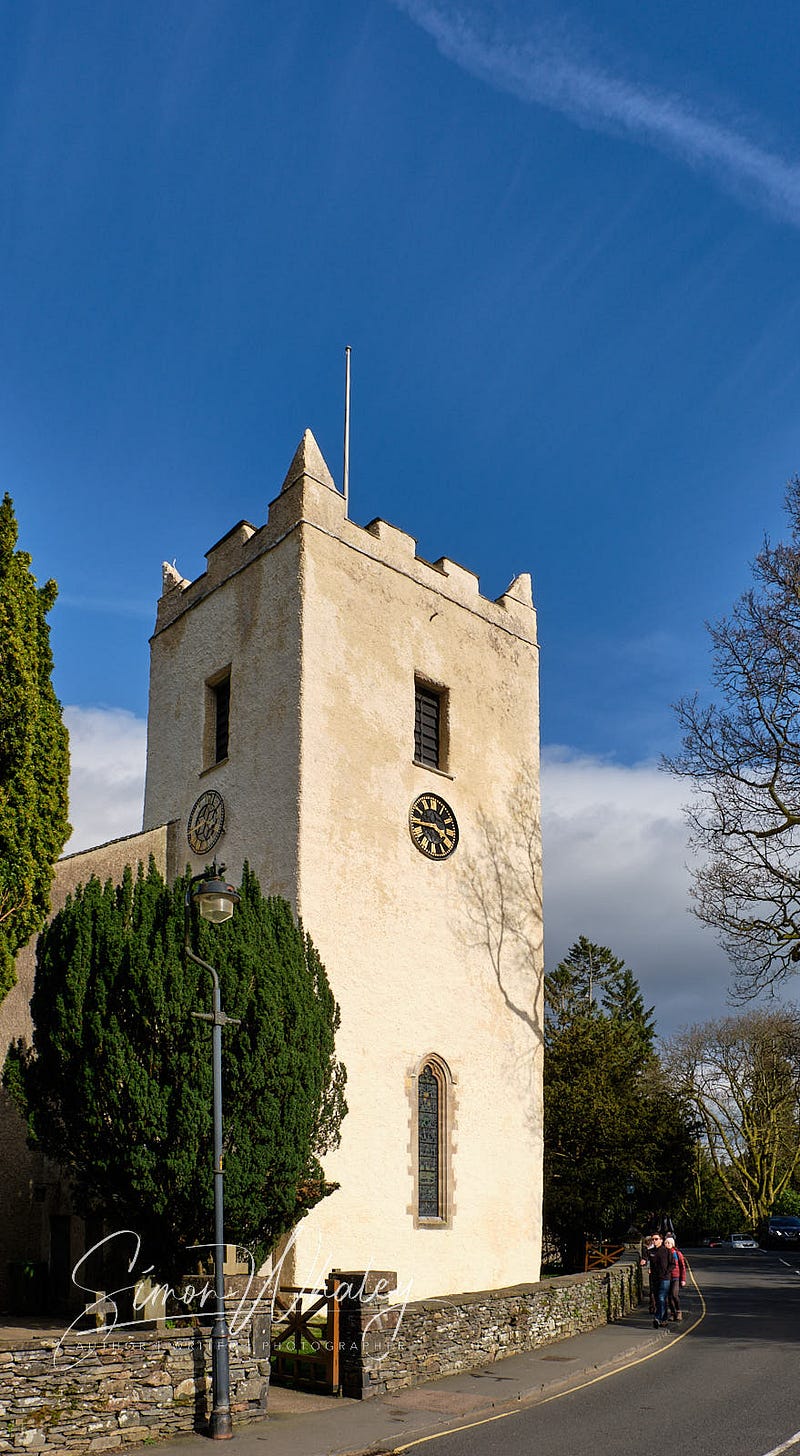
Such is the rocky terrain on which St Mary’s in Rydal was built, it was soon determined that its churchyard was unsuitable for burials. So, even though services could be held here, burials had to continue at St Oswald’s Church in Grasmere.
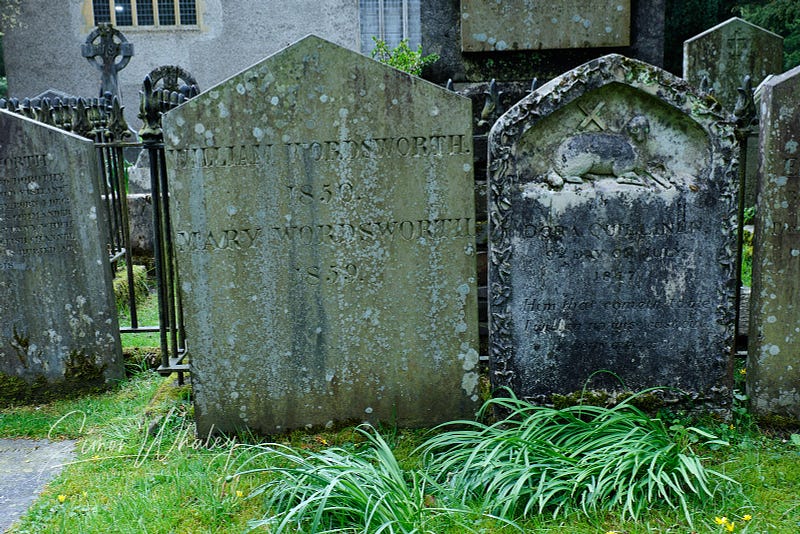
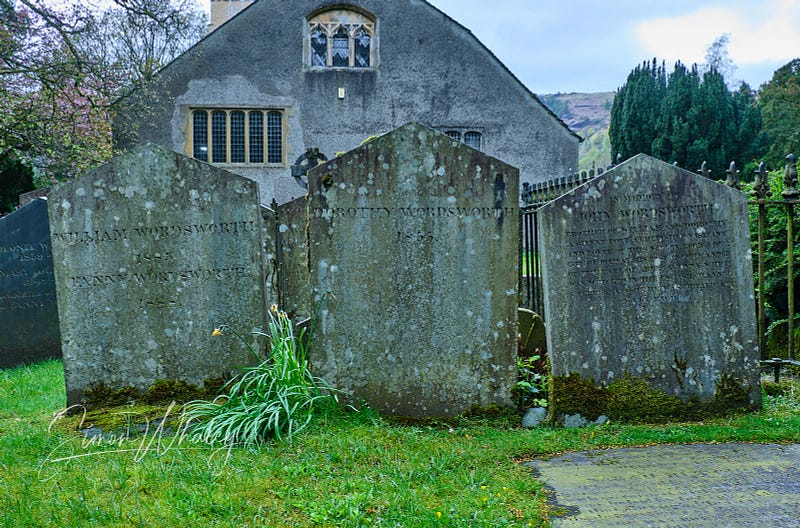
Which is where you’ll find the Wordsworth family graves. William died in 1850, his wife Mary in 1859. Dorothy passed in 1855.
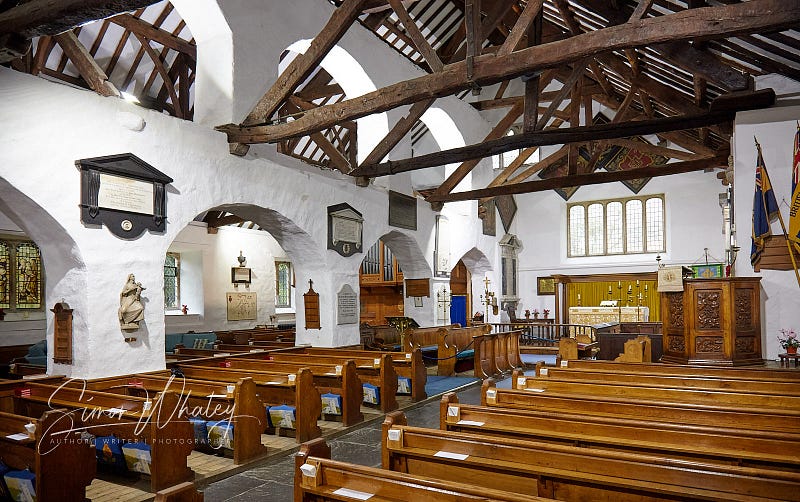
St Oswald’s Church is also worth a visit, for it inspired some lines in one of Wordsworth’s poems. In The Excursion, William wrote that the church’s interior:
With pillars crowded, and the roof upheld By naked rafters intricately crossed…
It’s not difficult to see why William Wordsworth loved it so much in the Lake District. The landscape here inspired much of his work, and thankfully, much of it still exists today as he saw it.
For more British Travel inspiration, check out my other pieces:


