
Words that Wound — Words that Heal
How we respond makes all the difference
A recent short video of Leslie Horton, a Canadian traffic reporter, stays with me. Horton stopped her report to share a message she received from a viewer who tried to shame her body and the clothes she was wearing.
What has been playing in my head is not the cruel message, but Horton’s response to it.
The writer sarcastically asked if she was pregnant, and she calmly responded that she was not pregnant and had actually lost her uterus to cancer last year. She also mentioned that hers is the body of women her age and, if it is offensive to the writer, “that is unfortunate.”
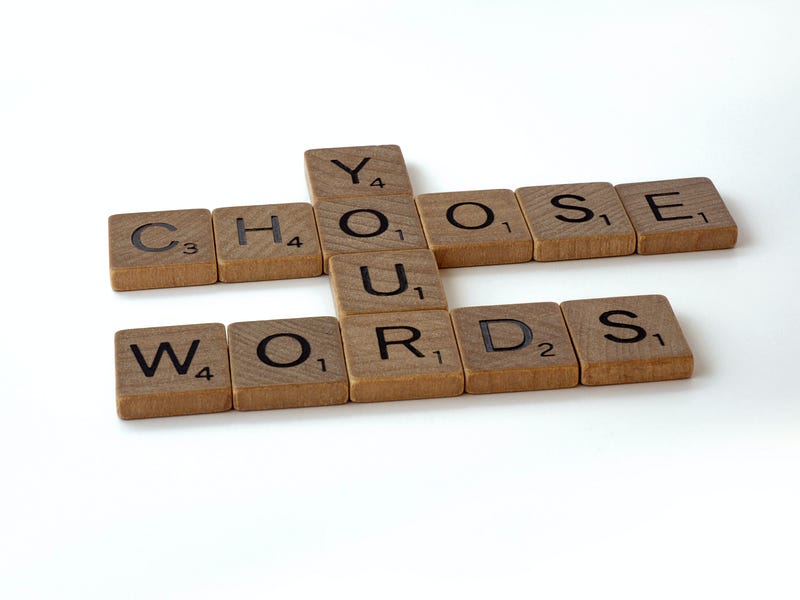
She closed with, “Think about the emails that you send.” Wise advice.
Words that Demean
Bullies who make comments with the intention to demean others have always been with us. Those who engage in this behavior feel entitled to say whatever they want, no matter how hurtful those words might be. Apparently, the more hurtful, the better.
The ease of sending vile messages electronically has simply made this faster and easier than in the past. It also allows the sender to remain invisible, which must be enticing.
Often these comments are justified under the guise of humor — but none of it is funny. Those are the ones I received from my father and others in my family. They provoked me until I cried, stopping only after they ridiculed me for crying.
I was too young to know how to effectively deal with verbal attacks.
A Self-Honoring Response
I wish I had Leslie Horton’s presence of mind and inner strength to respond as effectively. Her response honored herself and, in doing so, gave the perfect rebuke to the person who thought s/he was being so clever.
I do not have a perfect response in my verbal arsenal, but I do have questions.
Why would you say that? Why do you find that funny?
Forcing a person to reflect on their unacceptable words deescalates the hurtful discourse — but it has not necessarily stopped the behavior over time. One sad response was, “I don’t know, I just think it’s funny.”
If someone is not self-aware enough to understand their own behavior, they will never have the capacity to change.
Moving Forward
We cannot stop people from saying hurtful things. After all, there is a portion of our society that rewards this behavior with a viral flurry of likes. Fortunately, they are in the minority.
It sad that people can feel so bad about themselves that they only feel better when they think they made someone else feel small. The lesson from my new hero in Canada is that we do not have to accept that smallness — ever.
We can stand tall in the fullness of our humanity, and that is a beautiful thing.
The Random Conversations blog intends to inspire deep, meaningful, glorious conversation — delicious conversations. Interested in reading more? cathyjoseph.co