
SERIAL FICTION: LISTEN TO A NEW CHAPTER
Words Fail Me in the Face of Death
The Man Who Refused to Pass Away a Novel (29)
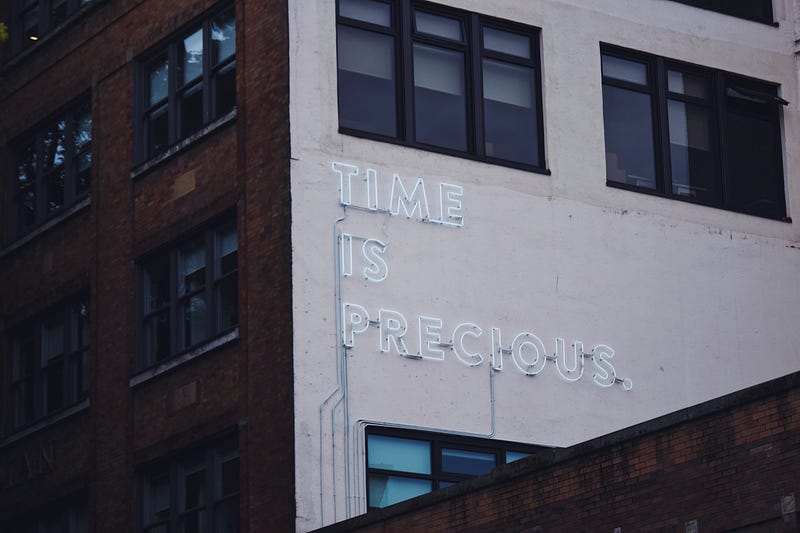
Chapter 29: Words Fail Me in the Face of Death
In that dimly lit room, where the ever-ticking clock seemed to echo with somber urgency, I sat by Elsa’s side. Her frail hand was nestled in mine, our fingers interwoven like the intricate threads of a fading tapestry. It was a room we had grown accustomed to, a sanctuary that had gradually transformed into a suffocating cocoon, keeping us tethered to a reality we had never wished to confront. In these moments, words, those once-cherished messengers of our thoughts and feelings, seemed elusive, slipping away like the sands of time.
Elsa’s face, once radiant with life’s vibrancy, had now succumbed to the pallor of illness. Her features bore the unmistakable weight of a relentless battle, etched with the lines of struggle and fatigue. Yet, as I looked at her, words failed me. We had grown so accustomed to the gravity of the situation that our conversations often dwindled into prolonged silences. It was as if the specter of death had cast a long shadow over our voices.
During these hushed moments, we communicated in a manner that transcended mere language. It was as though our souls whispered to each other, sharing our deepest thoughts, fears, and love in a silent communion that needed no words. We both knew that our time together was slipping away, and the vast expanse of the unsaid weighed heavily on our hearts.
Death had become an uninvited guest in our lives, an uncharted territory we hesitated to explore. It was the subject we dared not broach, for fear that our words would prove inadequate to encapsulate the magnitude of our emotions. Instead, we retreated into a realm of unspoken sentiments, where the gaze of our eyes and the touch of our hands carried more profound meaning than words ever could.
In moments of contemplation, we saw death not as a serene passage but as a haunting specter, an unwelcome intruder encroaching upon our lives. It was not a gentle release but a harsh and somber reality. Elsa and I approached this ordeal with a sense of pragmatism, akin to the perspective of atheists who saw no solace in religious doctrines. To us, notions of an afterlife seemed like desperate grasps for comfort in the tempestuous sea of existence.
The room bore witness to our unspoken fears. The chair by the window, once a seat of shared stories and laughter, remained vacant. Elsa’s strength waned, and she could no longer regale me with tales of our past. I couldn’t bring myself to ask her, for the words that had once flowed effortlessly between us now seemed to gather like unspoken secrets—burdensome and too heavy to bear.
As Elsa’s condition deteriorated, the reality of her impending departure hung heavy in the air. We were forced to confront the inevitable truth, even if we couldn’t bring ourselves to articulate it aloud. In the stillness of those moments, we clung to the last vestiges of life—the warmth of human touch, the gentle caress of shared glances, and the fragile connection between two souls that had weathered life’s tumultuous storms together.
Our nights were punctuated by the soft hum of medical equipment and the occasional stifled sob. Our days were spent in quiet conversations and lingering gazes. Each look we exchanged conveyed a profound understanding—the recognition that the words we longed to utter, the stories we yearned to share, remained locked away in the recesses of our minds.
In our shared silence, we found a peculiar solace—a quietude that spoke of love, acceptance, and the relentless passage of time. We hadn’t come to terms with death; rather, we had accepted that we must find a way to coexist with the specter of mortality for as long as life allowed.
The weight of impending loss loomed over us like an ominous cloud, casting a pall of melancholy over our days. We realized that death was not the serene, poetic journey often portrayed; it was a harsh and unyielding reality, a stark reminder of the fragility of human existence.
As I held Elsa’s fragile hand, our eyes shared a silent plea — for more time, for more moments, for more words that could never find their way into the world. Words, I realized, failed me in the face of death. Left with the unspoken, the implied, and the understood, Elsa and I discovered that perhaps, just perhaps, vulnerability in the face of death was the key to unlocking a deeper connection and a more profound understanding of the life we still had left to live together.