
Word Painting
Adverbial Colors
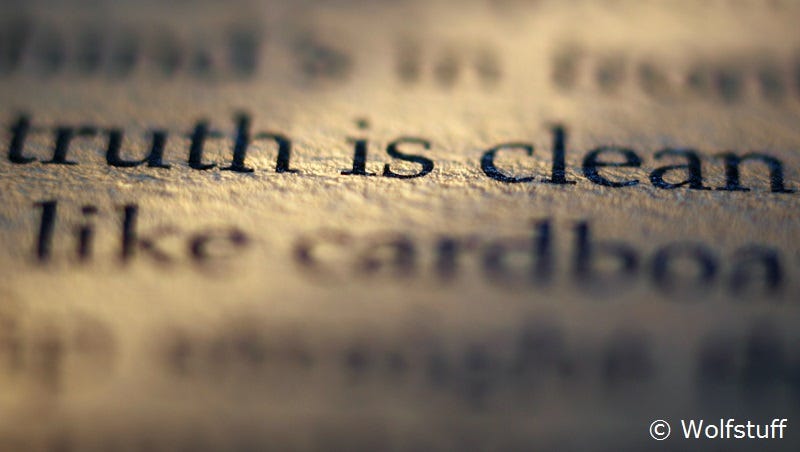
Were there no need for adverbs There would be no adverbs — Obviously
When it comes to writing — the craft of — there appears to be as many opinions afoot as there are writers. A commonly held conviction, however, seems to be that we could very well do without adverbs: just find the right verb, goes the mantra (same as the adjective-haters holler: find the right noun).
Here’s the problem with that.
Two painters, true to their craft, painting the same tree, will end up with two different canvass trees. The model tree is perceived by two different minds, colored by two different pasts, two different sensibilities — that is why art is so revered (when it is): we see the painters’ interpretations of the subject, his/her own, unique view; and if this view is amazing (think Munch, think Dali, think Goya) then art has earned its keep.
Still, there is but the one tree.
There are a billion shades of tree.
Still, there is but the one word: tree.
There are a billion tree stories.
For the same holds for the writer. Two different writers, musing on and describing the same thing or event or emotion or whatever, will end up with two different stories, observed and conceived by two different minds, colored by two different pasts, by two different views — each resorting to such adverbs or adjectives as may help narrow and clarify the writer’s true impression of the thing or event — the words that best will tell the story.
Even the most impressive of thesauri does not have a billion synonyms for tree: it is up to the writer to paint it as closely and clearly as he or she can, given the available words in his or her language — adverbs and adjectives included.
A tree. A lonely tree. A crowded tree. A susurring (yes, it’s allowed you know: you can make up verbs from good nouns — susurrous) tree. A stern tree. A forgiving tree. A lost tree. A rambling tree. A laughing tree. A tree-less tree. And so forth.
The tree is what the writer sees and then conveys.
Yes, adverbs and adjectives included.
© Wolfstuff
P.S. If you like what you’ve read here and would like to contribute to the creative motion, as it were, you can do so via PayPal: here.


