
TREES / ENVIRONMENT
Wonders of Nature
Trees are Earth’s natural marvels unless one does not believe in miracles
Not so long ago, I shared on social media my awe and wonderment at the beauty of nature.
My post was accompanied by a close-up photo of a rosebud in my garden. How could one not believe, I said, in miracles?
Surprisingly, a netizen (actually a kin) promptly posted a response. Miracles do not exist, he said.
I knew that, that’s what he believed in based on the teachings of his religion, e.g. the miracle of raising Lazarus from the dead.
I clarified that I was referring to the beauty of a flower as I watched it bloom from a bud. It is a miracle for me, a gift to us by nature.
Whether cultivated in gardens or had popped up along with other wildflowers, or had sprung in roadside weeds, I feel the joy brought to my senses from all these beauties.
Looking back, however, I should have mentioned nature’s spectacular marvel — a miracle that no-one can dispute.
A miracle in which we, humans, depend on for existence.
You’re right, I’m referring to trees.
Where would we be if not for these marvels of nature?
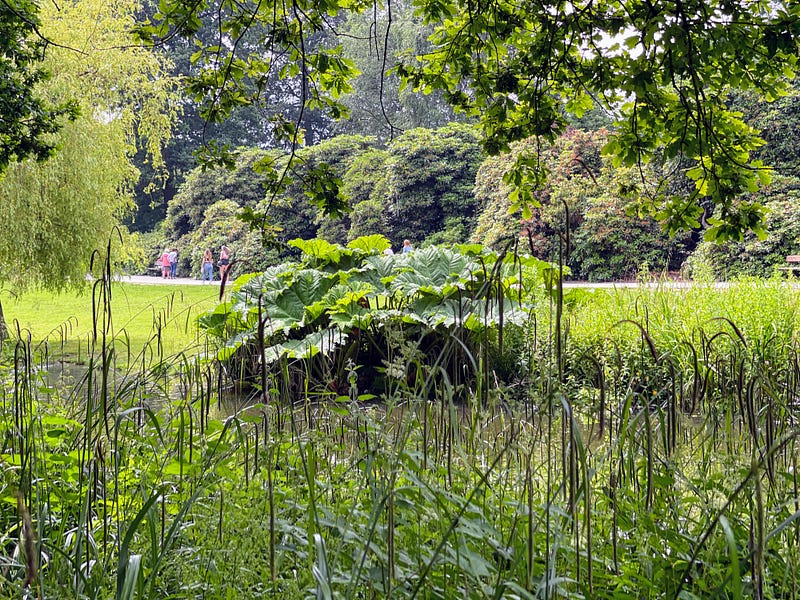
Would we, as humans, develop without the provisions derived from trees? Food, fuel, shelter, medicines, timber, among others.
And what about the role played by trees in giving food and shelter to wildlife?
Or, what about the forests of trees? They help regulate the water flow, thereby reducing the effects of flooding and soil erosion.
Lest we forget, trees have an impact on weather patterns, too, in that they increase humidity and generate rainfall.
And if not for these marvels of nature, how would we — humans and animals alike — survive if not for the trees that process vast amounts of carbon dioxide (CO2) from the atmosphere?
Trees absorb it through their leaves, emit the processed CO2 as oxygen, which we all breathe in.
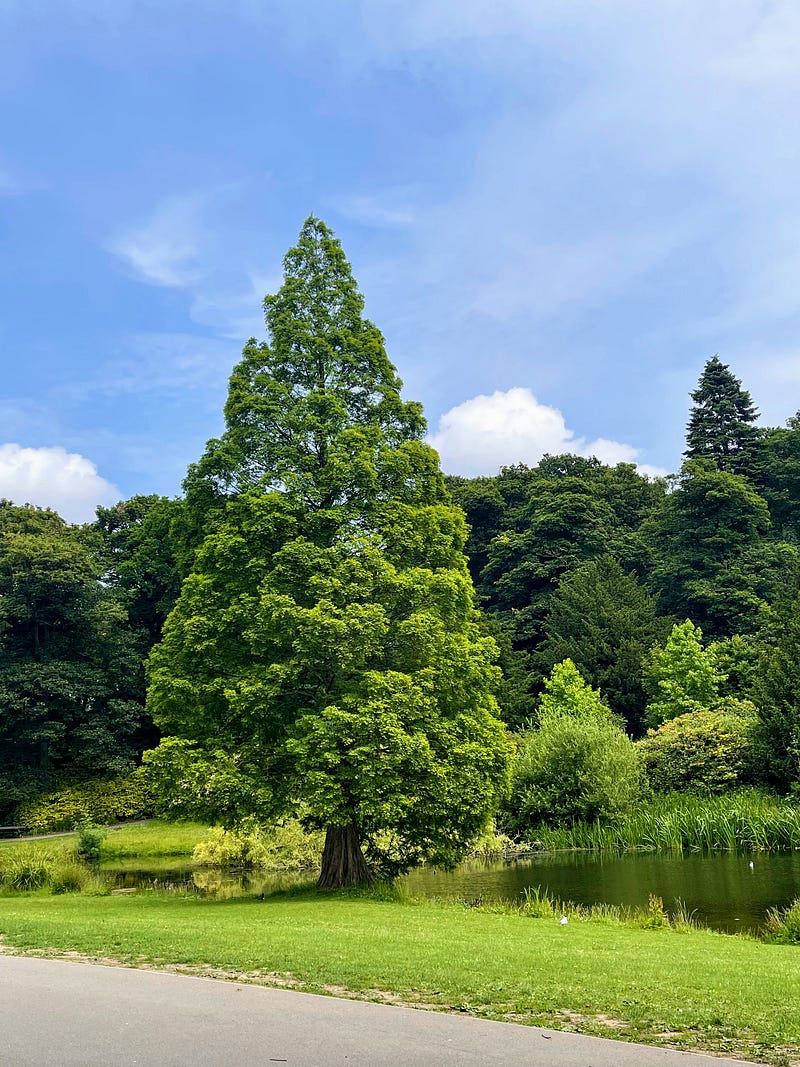
Of course, like all other plants including our house plants, trees also store CO2 in their fibers whereby they help clean the air, reducing the negative effects on our environment.
If the roles played by trees as mentioned above would not qualify as miracles, then I’ve no idea what could.
Trees live longer than any other organism on earth
While on the subject of nature’s miracles, do you know that trees, aside from being one of the longest living forms of plant life, also live longer than any other organism on the planet?
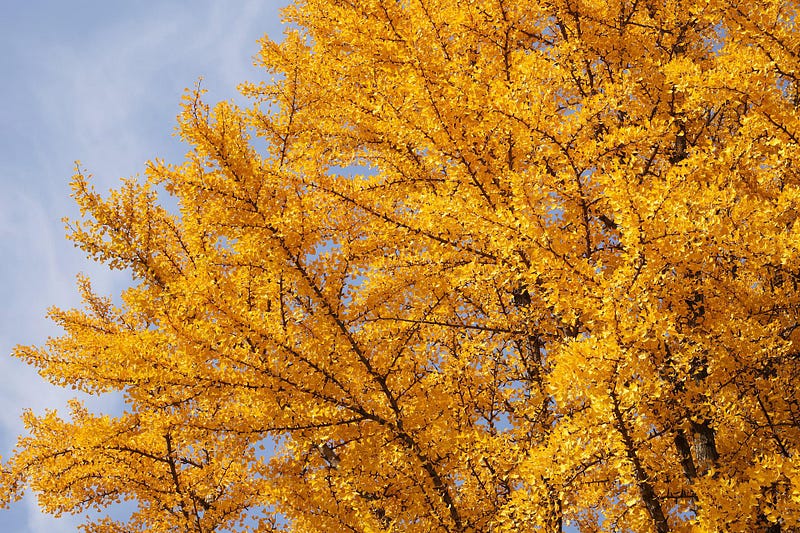
To note, the oldest surviving species of tree that are still grown in gardens is the Ginkgo biloba, which made its way from China to other parts of Asia and around the world.
It is a living fossil, as described by Peter Crane, dean of the Yale School of Forestry & Environmental Studies, in an article in The New York Times.
Ginkgo biloba, also known as maidenhair tree in Britain, has been around for 200 million years.
Crane has also referred to this tree as the living link to the age of dinosaurs.
A marvel, really, in my book.
Check these other interesting facts about trees
- The oldest documented surviving tree is the Methuselah, a bristlecone pine, which is 4,850 years old. It is located in the White Mountains in California.
- Researchers from Chile, however, claimed in May (2022) that a Patagonian cypress, a South American conifer, is 5,400 years old.
- While Patagonian cypresses rank in the world as the second longest-lived tree species, scientists and experts appear to be reserving their judgement.
- Until then, Methuselah, the bristlecone, still holds the honor of being the oldest living tree in the world.
- The tallest living tree in the world is called the Hyperion, a coast redwood. It is 115.72m (379.7 feet) tall, and is located in a remote part of Redwood National Park in California.
- Britain is thought to have the most number of ancient trees in Europe. Woodland Trust — UK stated in its website that 180,000 ancient trees have been listed, but thousands more need to be added.
- Meanwhile, a new study on ancient and veteran trees in England by the University of Nottingham showed that the number is estimated to be around 1.7 to 2.1 million, compared with the current number on record.
- The oldest tree in the UK is believed to be the Fortingall Yew located in Perthshire. Its estimated age is between 2,000 and 3,000 years.
- Oaks and sweet chestnuts can live for more than 1,000 years, although the yew is the longest living tree species in Britain.
Without a doubt, trees absolutely deserve to be referred to as miracles gifted to us by nature.
Let’s look after them as they look after us.
LinkedIn | WordPress | Twitter | Facebook | Instagram | Amazon Author’s Page | pinoypub.ph


