
Women’s History Month: Helen Keller
Helen Keller played an instrumental role in how I dealt with my own disability
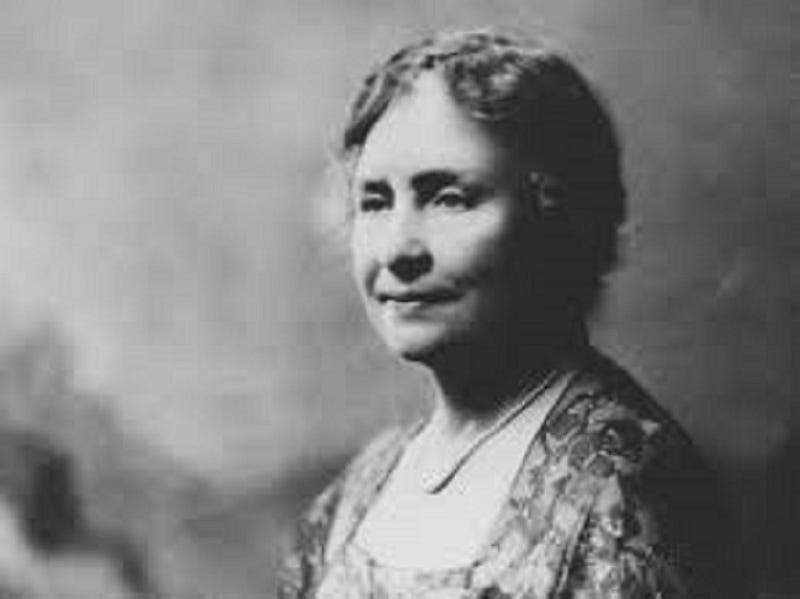
Although the world is full of suffering, it is also full of the overcoming of it. — Helen Keller
Since March is Women’s History Month, I plan to look at a few women who have impacted my life.
The first one is Helen Keller.
My first memory of Helen Keller was through a 1979 film, The Miracle Worker (Helen was played by Melissa Gilbert).
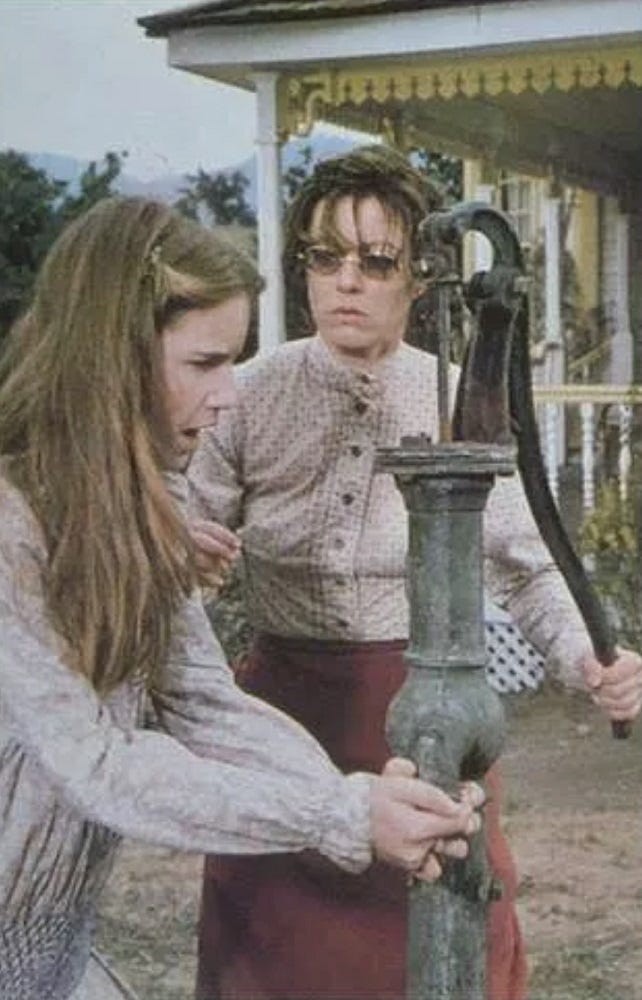
I was probably around ten or so when I first saw this movie. And being hearing impaired, I could somewhat relate to Helen Keller.
It wasn’t until after I was diagnosed with Usher Syndrome did I truly appreciate her struggles and triumphs.
Usher Syndrome, in a nutshell, is a hereditary disease that involves the progressive loss of vision as well as hearing.
I was an unruly child. Rude. Didn’t obey or follow rules. My speech development was very poor. My parents spent two years taking me to various specialists who all seemed to think I had a behavioral or psychological problem (all these occurred between 1974–1976 in rural upstate New York).
It wasn’t until I began Kindergarten that my teacher noticed the true reason and recommended my parents take me to an audiologist where I was finally diagnosed with moderate hearing loss (at least 65% loss in both ears). I was fitted with hearing aids and spent two years in speech therapy.
In my late teens and early twenties, I began to have increasing difficulty getting around in the dark. I was diagnosed with Retinitis Pigmentosa at the age of twenty-one. A few months later, after seeing a specialist at the Eye & Ear Infirmary in Boston, my diagnosis was amended to Usher Syndrome.
Helen Keller was born a normal baby who could hear and see. At nineteen months, she was stricken with either Scarlett Fever or Meningitis which robbed her of both sight and hearing.
Helen was kept out of school since she was nearly impossible to control and impossible to teach. It wasn’t until she was seven that Anne Sullivan was hired to be her teacher. Through Anne, Helen learned a language in which she was finally able to communicate with the world around her.
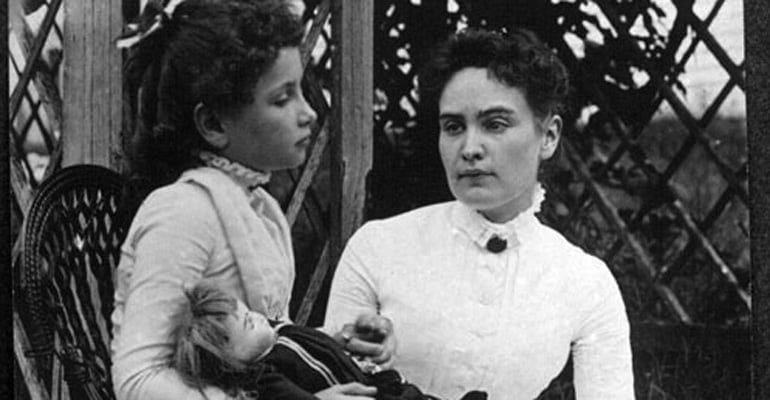
This language I believe was a precursor to what’s now called tactile signing or tactile fingerspelling which uses the American Sign Language with touches (generally via hands).
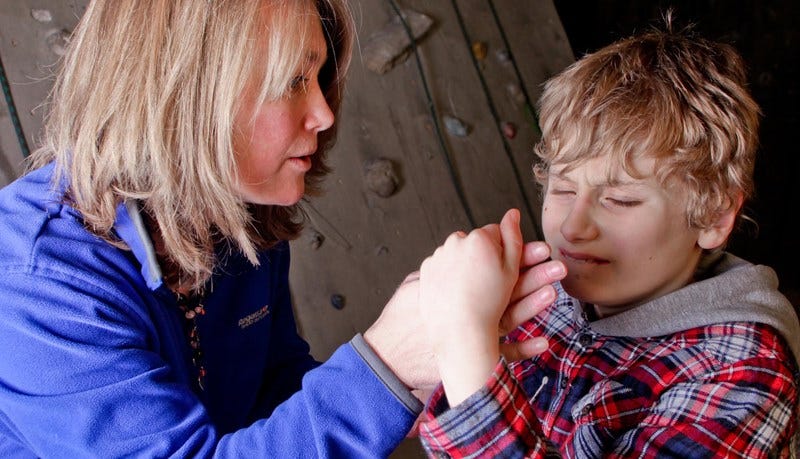
By the time she attended college, Helen had mastered other ways of communicating besides fingerspelling: “listening” to people by touching their lips, braille, and typing. She’d also learned to speak.
In 1904, she became the first deaf-blind person to graduate from college receiving her Bachelor of Arts from Radcliff College in Cambridge.
It was during her Junior year at Radcliff she wrote her autobiography, The Story of My Life.
Helen spent her life traveling and speaking as well as publishing several books and articles. In 1915, she and George Kessler founded Helen Keller International with the mission to save the sight and lives of the vulnerable and disadvantaged.
She’s my inspiration whenever I get down on myself and my own “lack” of abilities. If she could do all that she did, I have absolutely no reason not to strive for my passion and dreams.


