
Women Then Vs. Now
What can we learn from these historical aspects?

Throughout history women’s roles and societal status have evolved significantly leading to transformative changes in their lives and societal contributions. In ancient times women’s roles were often confined to domestic activities and child-rearing.
In many ancient societies such as ancient Greece and Rome women had limited rights and were largely excluded from political participation and public life. They were expected to manage household chores care for children and support their husbands or male relatives in their pursuits.
During the Middle Ages women’s roles remained largely restricted to domestic responsibilities and were often subordinated to their male counterparts. In feudal societies women from noble families were expected to marry into other noble families to secure alliances and political power further reinforcing the idea of women as instruments for political and social advancement. The influence of religious institutions during this period also reinforced traditional gender roles emphasizing the importance of women’s obedience and righteousness within the confines of the family and the church.
The early modern period marked a significant shift in women’s roles particularly in the context of the Renaissance and the Enlightenment. Although women’s opportunities remained limited some could gain access to education and participate in artistic literary and intellectual circles. However these opportunities were largely reserved for women from privileged backgrounds and the majority of women continued to be confined to traditional domestic roles.
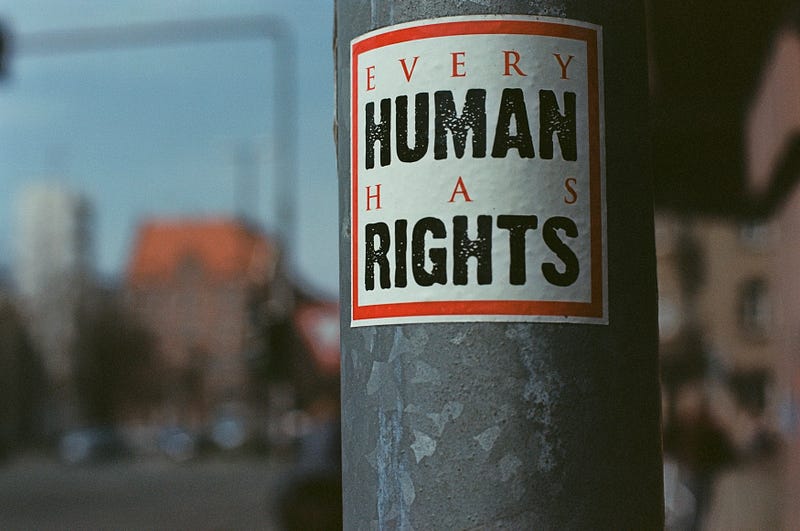
The 19th and 20th centuries they brought about a series of social and political movements that significantly impacted women’s rights and roles in society. The first wave of women rights emerged during the 19th century advocating for women’s suffrage. This movement laid the groundwork for subsequent waves of leading to the gradual expansion of women’s rights which include the right to make a vote access to education and participation in the workforce.
In the contemporary era women have made significant strides in various fields including politics science business and the arts. Many fight for the implementation of various laws and policies aimed at promoting and protecting women’s rights. Women’s participation in the labor jobs has increased significantly leading to greater economic independence and empowerment. Moreover the ongoing efforts to challenge gender stereotypes and promote diversity and inclusion have further contributed to the changing perception of women’s societal roles.
Overall the historical evolution of women’s roles reflects a gradual shift from traditional domestic responsibilities to increased participation in the public sphere alongside the ongoing struggle for empowerment. While major progress has been made challenges persist emphasizing the continued importance of advocating for women’s rights and addressing issues in all aspects of society.
I am Amna Fayyaz follow me and subscribe visit my referral link it will help me a lot