
Without compelling leadership to tackle the climate crisis, expect more and worse extreme weather events like hurricane Ian
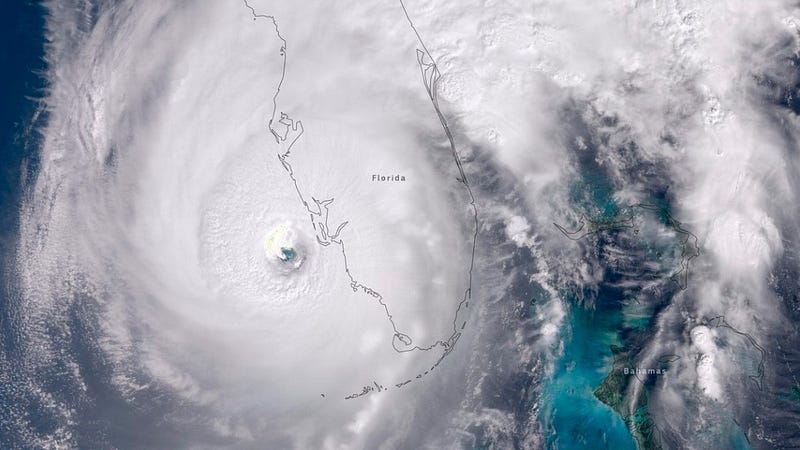
Hurricane Ian was one of the strongest hurricanes ever to strike Florida. It has now been downgraded to a tropical storm but it may soon strengthen again into a hurricane and hit South Carolina. In the coming days, we will learn more about the widespread damage it has left behind and its number of victims, especially in the state’s low-lying and densely populated coastal areas. President Biden referred to “early reports of what may be a substantial loss of life.”
Expect lots of shocking photos and heartbreaking videos on social media that will remind us of the power of nature, specifically when boosted by the additional energy we have trapped in the system. Man-made climate change has raised sea levels and warmed the oceans, which fueled Ian to a hurricane that, at a certain point, was just two mph shy of a Category 5.
Climate change will get worse
Twenty years from now, we will look back at the good old times of 2022, when the weather was still mild in the early days of the climate crisis when the oceans had only warmed about 1C (2F). Regrettably, greenhouse gas emissions will continue to rise since world leaders still don’t prioritize the climate crisis as a crisis. Climate scientists, who have been right in their warnings for many decades, will again be proven right in the future: the climate will get worse if we continue on the path of business as usual.
But for us in 2022, not yet having the benefit of hindsight, this is a year of climate disasters; you may have witnessed some of these when drought, heat, storms, or wildfires impacted your summer in areas as far apart as the American West, Europe, or China.
The need for urgent climate action
You may notice that this year’s extreme weather is worse than in the past, and you will notice that future weather extremes will be worse than what we have seen this year. But the good news is that it is not too late; scientists agree that we can still avoid many of the predicted impacts of future climate change, but only if world leaders take compelling and urgent climate action.
A brief update on Ian: By 7 p.m., hurricane Ian had been downgraded to Category 3. By 9 p.m., the hurricane’s strength had further dropped to a Category 2 level. On Thursday morning, it was further downgraded to a tropical storm.
More than 2.5 million electric customers are now without power in Florida; five counties in the area where Ian has made landfall are almost 100 percent out.
Hurricane Ian is the sixth in Category 4 or 5 to strike the Gulf Coast in as many years; it will rank among the top five hurricanes ever to hit Florida.
Is global warming a pretext for “doing any left-wing stuff”?
Florida Governor Ron DeSantis thanked the 26 states that have sent resources to support recovery. However, the reminder for urgent climate action that nature sent him in the form of hurricane Ian may be lost on the governor who last year shared his insights on global warming. “What I’ve found,” he said, “is, people when they start talking about things like global warming, they typically use that as a pretext to do a bunch of left-wing things that they would want to do anyways. We are not doing any left-wing stuff.”
I regret that nature will undoubtedly send more reminders to leaders until they finally listen and do the necessary left-wing stuff. Like preserving nature on the only planet we have, taking care of the people who elected them, in other words: providing leadership during this existential crisis. It isn’t too much to ask.