
With Premium, Fitbit Wants to Become an Analytics Company
New subscription services moves the company away from its hardware roots
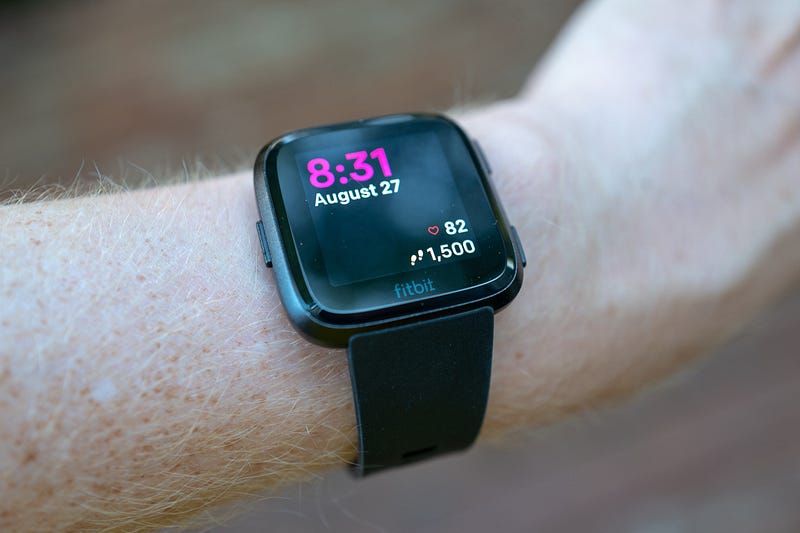
In early September 2019, Fitbit announced the launch of its new Fitbit Premium service. Premium wraps a paid monthly subscription service around Fitbit’s popular fitness and health tracking devices and apps. It promises to provide custom insights and better personalization in exchange for a $9.99 per month fee.
So is the new service worth its (modest) monthly fee? I’ve been wearing a Fitbit device nearly every day for 8 years. I started with the very first Fitbit tracker, which was like a glorified paperclip in blue and black, had no screen, and sold for several hundred dollars at Brookstone. I’ve been with Fitbit through their move to wristbands, gone with them into the world of smart watches, and even, as a tech CEO, participated in their Beta tests and used their APIs. I think the new service is worth the fee — and points to a tectonic shift in Fitbit’s business model.
At launch, Premium includes four core services — video workouts, guided programs, premium insights, and enhanced sleep tracking. While the core Fitbit app (which is free with the purchase of a Fitbit device) offers general advice and basic insight into your data, Premium promises to go from analyzing the overall user to analyzing you, the specific (and paying!) customer.
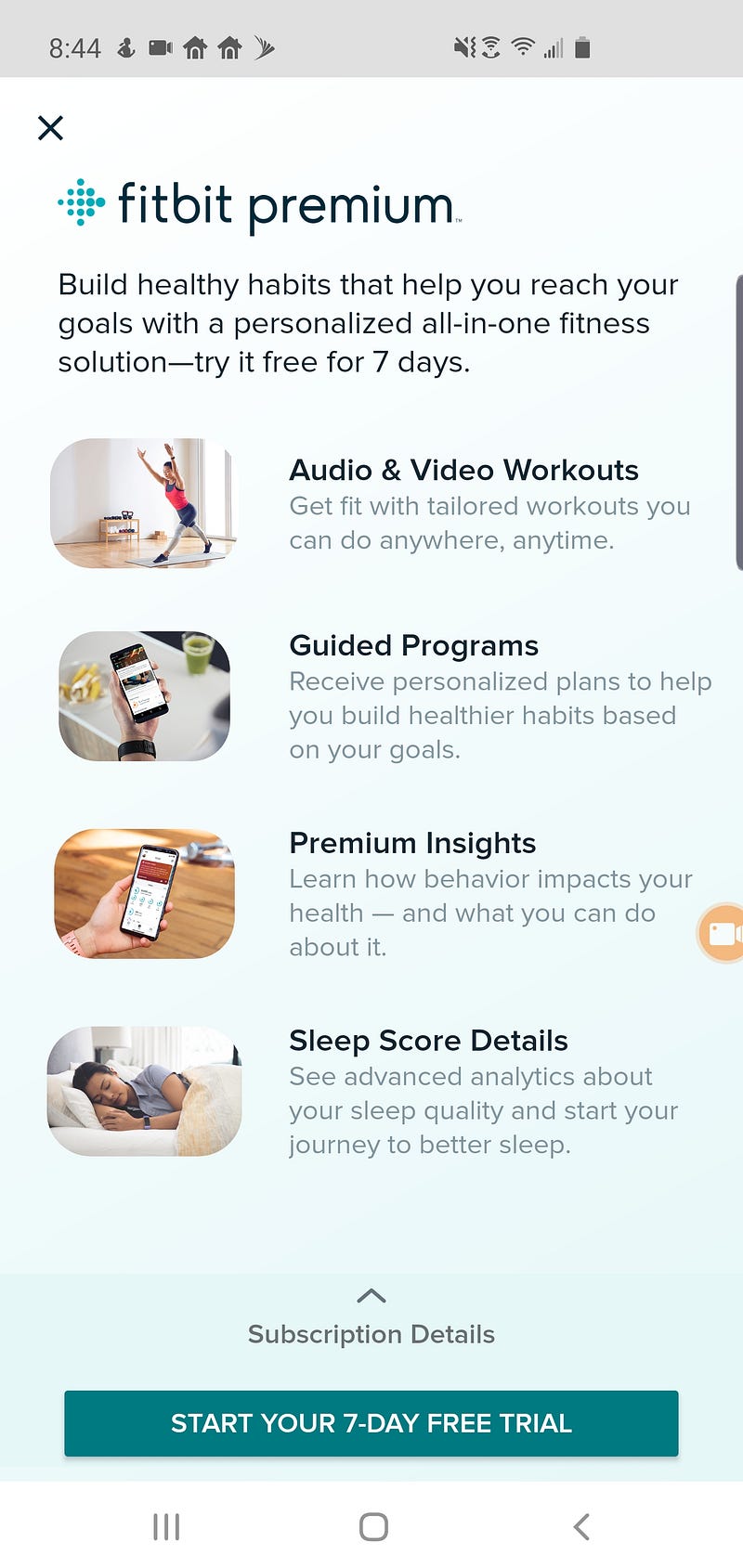
As of mid-October 2019, about 2 months after the launch of Fitbit Premium, the service offers a few key functions. The biggest addition is better sleep tracking. For years now, Fitbit has been working on condensing their complex sleep data into a single Sleep Score, which ranges from 1–100. I got to Beta test this early on, and it’s a great metric — I think it does a fantastic job of indicating how restful your sleep actually was, and moving you beyond crude metrics like the number of hours slept or time spent awake.
Sign up for The DIY Life Tech newsletter to get the best tech for home, travel, work and life right in your inbox.
The Sleep Score is made up of three components — Time Asleep, Sleep Stages, and Restoration. The first is self explanatory, the second gets into pedantic distinctions between REM and non-REM sleep, and the third looks at heart rate and probably (back me up here, Fitbit) blood oxygen saturation, which the company can measure with many of their trackers but hasn’t yet shown to the user.
Users with the free Fitbit app just get a sleep score — Premium users get to break the score into each of these sub components, and analyze how each sub component affected their overall score. For me, this capability alone justifies the $9.99 for Premium.
Beyond sleep, Premium rolled out with video workouts (I haven’t tried these yet), as well as an early (read: very early) look at Premium Insights. These are where I suspect the full power of the service will reveal itself — once they’re really rolled out. The concept here is to combine data from across your tracked metrics, and use these data to create personalized recommendations for improving fitness, sleep, and more.
While the free app provides general insights (“Drinking caffeine in the evening can disrupt your sleep”), I imagine that Personalized Insights will eventually provide insights tailored to your specific behaviors and tracked data (“We noticed that you logged a cup of coffee at 4pm on Tuesday in the Fibit food tracker, and that your Sleep Score was 5 points lower on Tuesday night than the night before. Try moving your afternoon coffee to 2pm to avoid sleep disruption”.)
At the moment, Personalized Insights are not there yet. My insights have been personal, but much more general — along the lines of “You burned between 2,500 and 3,600 calories per day over the last week.” Yes, that’s technically about me, but it’s still something I could have easily looked up with the free version of the app.
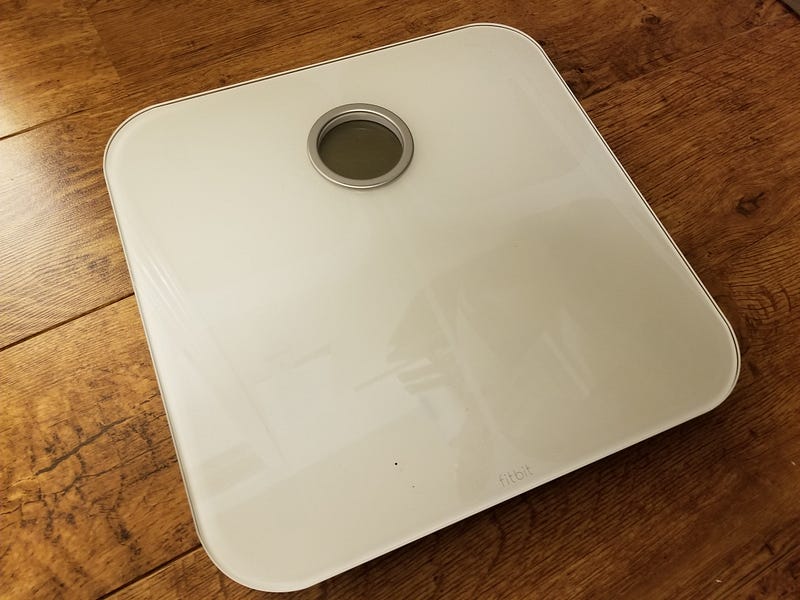
Fitbit clearly intends to improve the personalized insights over time, though. Each insight includes an upvote and downvote button, which undoubtedly is feeding into some kind of machine learning model to see which alerts are engaging to users. And of course, the more data you log, the better and more personalized your alerts will eventually be. Wear your tracker 24/7? You get sleep insights. Buy an Aria scale? Tada, weight and BMI data gets added to the mix. Tell Fibit about everything you eat? Here’s your Macros, broken out into a pretty graph and correlated with your weight gain/loss.
And that, ultimately, points to the real reason Fitbit is introducing Premium. When Fitbit first launched nearly a decade ago, accurate step tracking was a big deal. You could build a successful hardware company around that core innovation alone — the only other option on the market were cheapo pedometers that tracked a step every time you swung your arm or sat down in a chair.
Fast forward to today, and accurate step tracking is basically a commodity product. My phone tracks my steps (whether I ask it to or not). A $20 wristband from an unknown company on Amazon tracks my steps. The most basic Fitbit model tracks my steps just as well as the $200 smart watch. To stay relevant, then, Fitbit could go in one of two directions — become a cutting edge smart watch company, or become a software company.
The first route would have kept them squarely within the realm of hardware — and Fitbit really tried. The Fitbit Versa and the Fibit Ionic are perfectly capable smart watches, but Apple and Samsung have tidily cornered the market on that segment, with the Apple Watch and Galaxy Gear line. It’s hard to compete with their massive ecosystem of apps, army of software developers, and giant piles of cash.
So Fibit, smartly, has gone for option 2. Rather than prioritize hardware and keep selling you a $200 tracker every few years, they’re focusing on building out a software product, Premium, that you’ll pay every single month to use (and which, for them, is pure margin). And with their decade of experience in fitness tracking, best in class sleep algorithms, and giant troves of user data (as well as info on which data users find helpful and which they could do without), Fitbit is in a great position to make good on the pivot to Premium.
Sign up for The DIY Life Tech newsletter to get the best tech for home, travel, work and life right in your inbox.
For now, expect Fitbit to keep selling hardware alongside their brand new software product. Fancy, dedicated fitness trackers are still what they’re known for. But down the line, don’t be surprised if Fibit becomes a service that’s integrated into your Galaxy Gear or (more improbably) Apple Watch, providing a layer of intelligence and guidance on top of someone else’s hardware. It’s the same direction OS companies have taken for years, and increasingly the direction smart speakers are going, too.
So should you subscribe to Fitbit Premium? For me, the answer is yes. I like the enhanced sleep data, can live without the fitness videos, and have faith that the Personal Insights will get a lot more personal and a lot more insightful in the near future. In the long term, is Fitbit making the right move? With hardware prices falling, ML getting better, and more users tracking their fitness stats, I think Fitbit is on the right track.