
With COVID, Beware When Fools Rush in Where Angels Fear to Tread
We will get through this crisis faster by standing together and supporting those on the front lines of public health and safety
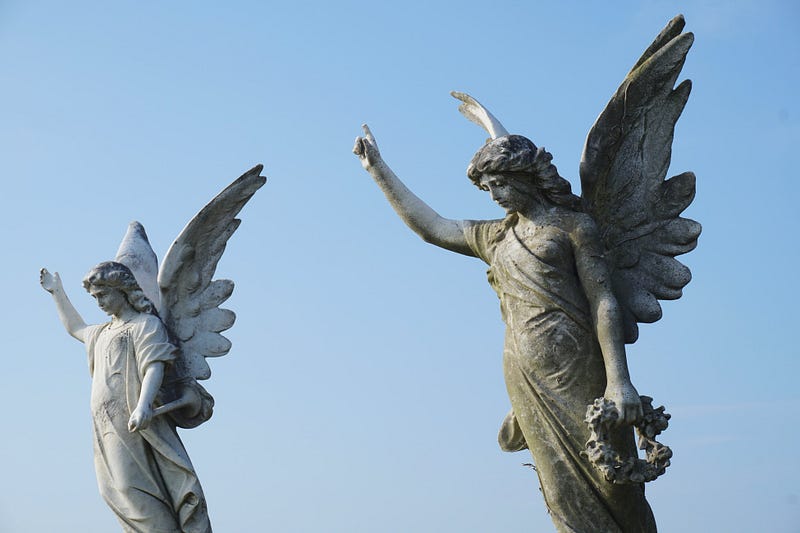
Over 300 years ago, Alexander Pope wrote “Fools rush in where angels fear to tread” in An Essay on Criticism. He was 22 years old. The wisdom of these words has stood the test of time to describe situations where ignoring facts and common sense can have huge consequences. Today, the world finds itself at a crossroads. We must decide whether to follow proven science-based approaches that have limited the spread of COVID-19 or side with the anti-quarantine protests occurring in various areas of the US.
Recent news indicates some individuals who recovered from COVID-19 have tested positive again. MIT recently published a machine learning algorithm that predicts an exponential explosion in infections if quarantine measures are relaxed or reversed. Singapore, South Korea, and other countries have already experienced a second wave of infections as people return to work too early. Governments, first responders, and healthcare providers are increasingly concerned about the likelihood and impact of a second wave.
In the COVID-19 global pandemic, we are in uncharted waters. We have seen governments, communities, and individuals demonstrate a wide range of behavior and questionable judgment. For example, Boris Johnson, the British Prime Minister, once discounted the danger by shaking hands with patients only to find himself in intensive care a few weeks later. Conflicting data, inaccurate predictive models, and misinformation have made it difficult to understand where we are in The Curve. When we can return to normalcy and what normal looks like is uncertain. But while we lack specifics, the general direction is clear.
With over 800,000 confirmed cases and over 45,000 deaths in the US so far, it stretches the imagination to assume the coast is clear enough to let our guard down. Like many folks who are tired of being quarantined at home, I want to get out to enjoy spring, see my family, and visit with my customers. At the same time, the risk is great. I don’t fear this disease, but I abhor the possibility I could unknowingly pass the virus to another person, or that some impatient individual infects people I care about or worse, kills someone who couldn’t protect him/herself.
Recently in Denver, healthcare workers who were attempting to block quarantine protesters were treated with anger and resentment. It’s unclear to me whether the reason folks want to rush to reopen society is due to political reasons, loneliness, survival, boredom, or other reasons. Perhaps it’s representative of the Paradox of Preparation where preventative measures can result in a false sense of security. I’m sure some people will continue to gather and justify their actions until the “moment of truth”. Then many may experience the consequences, regret their haste, and depend on their angels in the form of healthcare workers, family, and society to recover.
Alexander Pope died when he was 62 as a result of life-long health issues including a form of tuberculosis and asthma. If he were living today, he would be in one of COVID-19’s high-risk groups. He may be long gone but his words still make a lot of sense. We must continue to acknowledge we are still in the fight and remain vigilant until we are truly through this difficult time.