Summary
The poem "Winter" describes a person's struggle against a harsh winter storm, seeking refuge from the cold and the relentless blizzard that ultimately infiltrates their sanctuary.
Abstract
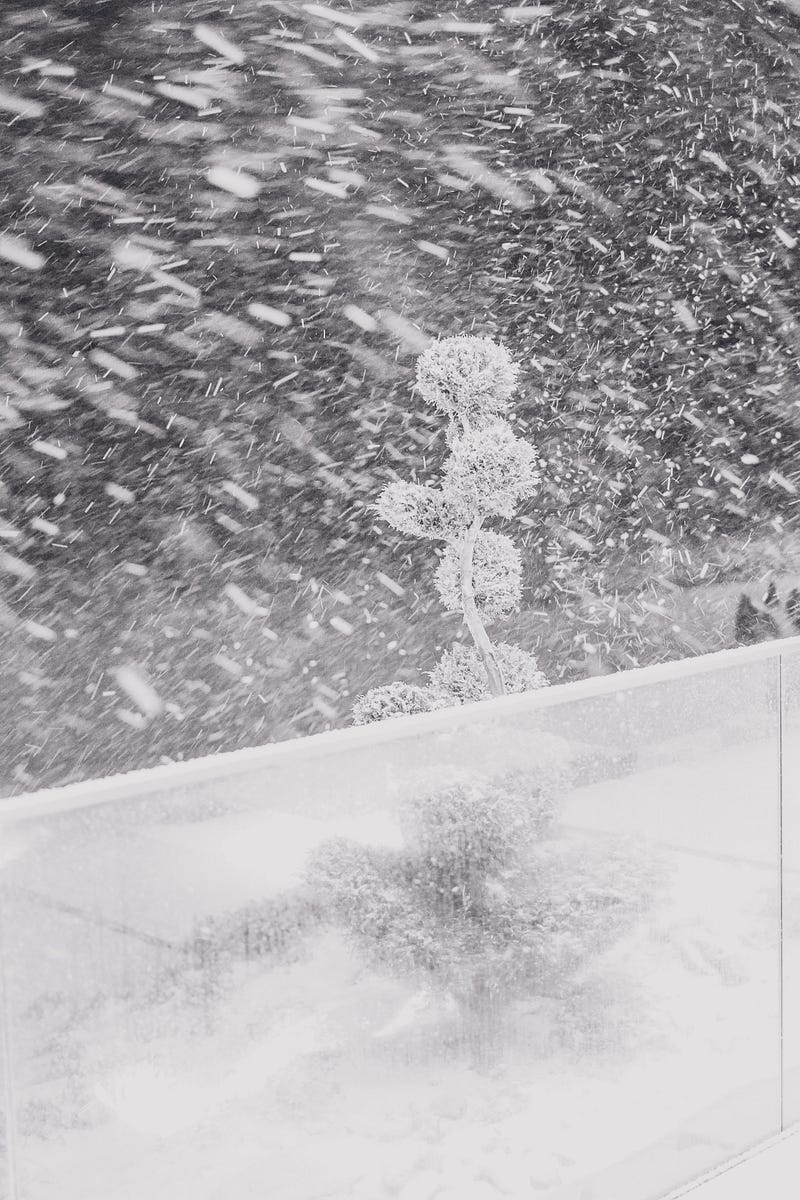
The poem "Winter" paints a vivid picture of the struggle between humanity and the ferocity of nature. It begins with a depiction of a blizzard's fury, stripping trees bare and filling the air with the sound of howling winds that resonate with the frozen hearts of those enduring the cold. The narrator seeks warmth by a dying fire, futilely adding more wood as the flame succumbs, much like the trees outside. The storm penetrates the narrator's refuge, forcing them to flee to the basement, only to find that the cold is inescapable. The poem concludes with the realization that the storm's power is overwhelming, and the landscape, including the narrator, will be transformed into a frozen wasteland, mirroring the lifeless trees.
Opinions
- The poet conveys a sense of futility in the face of nature's overwhelming power.
- The imagery suggests a bleak outlook on humanity's ability to protect itself from the elements.
- The poem evokes a feeling of entrapment and inevitability, as the cold permeates every sanctuary.
- The comparison of the narrator to the bare trees implies a loss of vitality and surrender to the winter's wrath.
- The use of personification in the description of the wind and the blizzard gives them a predatory quality, enhancing the sense of danger.