
Winter And Its Silence
An Internal Pilgrimage
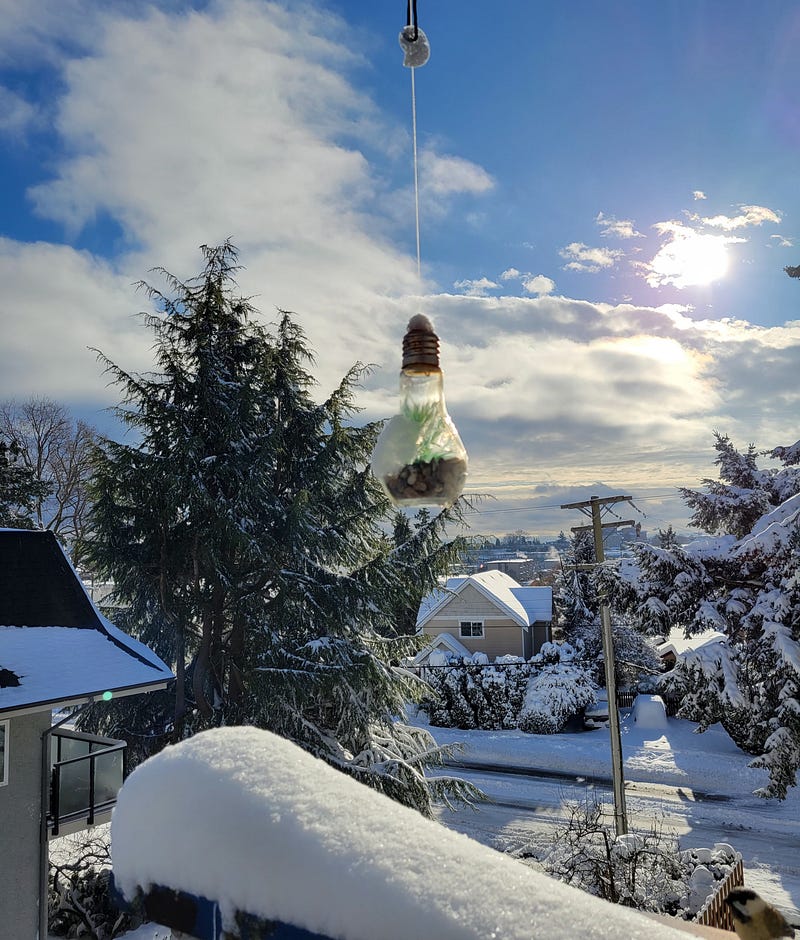
The call to hibernate is often heard during the winter months. When the kayak is set aside, the paddle boards are tucked into storage, wardrobes switch; what remains is a season filled with anticipation and, at times, moments of dread. For someone raised in tropical climates and thrust into an environment that is its complete opposite, the experience can be simultaneously thrilling, somewhat fulfilling, and disorienting. Alternatively, it can be an invitation for self-discovery and personal growth, where solitude becomes a powerful ally in the journey — a curiously thought-out and anticipated winter pilgrimage.
Once upon a time, I made several trips to the great Niagara Falls. The falls became a regular “place to go” when friends and family visited while I was living in Toronto. I’ve seen the falls in all four seasons as visitors come at different times. The roar and grandeur of Niagara Falls are awe-inspiring and overwhelming. As the majestic falls cascade with tremendous force, a deafening roar echoes through the air, creating a symphony of nature’s power. The power and majesty of the falls in winter are intricately captured in the frozen mist — they look crystalline — both captivating and delicate. The same remains refreshing in the summertime.
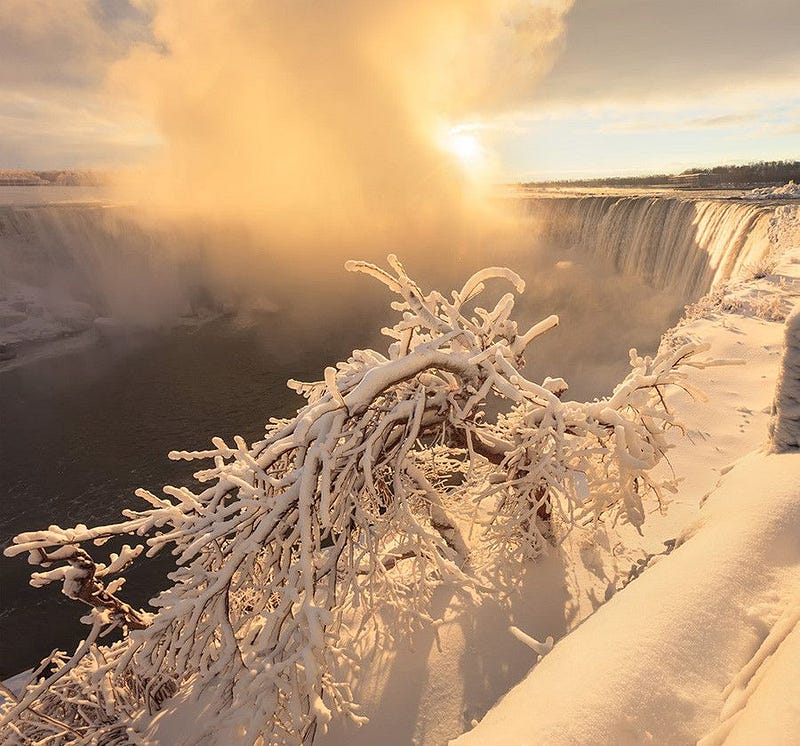
Winter, with its stark landscapes and the hush of falling snow, often mirrors the introspective phase of hibernation in nature. Much like the dormant period of winter, these moments of self-reflection and exploration can become a personal hibernation. During these internal winters, withdrawing into the cocoon of my thoughts allows the cold winds of introspection to sweep through the corridors of my mind. Within this contemplative hibernation, self-exploration uncovers the layers of my identity, peeling back the frost to reveal the warmth of the true self. This contemplation, however, requires mind-heart resonance, something I had to learn over time.
Someone once told me to use my mind and not be ‘stupid’ enough to rely on my heart, especially when facing crucial crossroads in life. At that time, I believed that was the expected or prescribed approach. Mistakenly, I spent most of my life following the guidance of this intellect, often neglecting to consult my heart. Of course, this does not include using the mind in situations of imminent danger, like not running away when confronted with a snake or the wild. What I meant was that the weight of these decisions is felt not only in the personal sphere but also ripples outward, affecting relationships, communities, and the broader fabric of my interconnected world. The consequences of such choices extend beyond myself, creating a ripple effect that can touch the lives of family, friends, and even beyond.
Somehow, I found a way to try to understand my heart — peeling back the layers of illusion that shrouded my true self. It was a beautiful revelation. Within this heart is the discovery of the tender core of my truth, embracing love in its myriad forms, realizing that empathy and compassion are inseparable forces that ignite change. In this very heart lies the connection to my soul, unleashing a potent energy far greater than myself — the essence of everything I was created to be and become.
Reflecting on those decisions, I discovered that this cognitive-centric approach had somatic implications. I began to notice tangible consequences — a subtle tension in my muscles, a weight on my chest, or an unease in the pit of my stomach. Ignoring the intuitive whispers of my heart seemed to create a dissonance between the mind and body. The decisions, even if logically sound, left behind a trail of physical discomfort and emotional discord. It was as if the body, the silent communicator of intuition, was trying to signal that something crucial was being overlooked. It became evident that the disconnect between mind and heart had a direct impact on my well-being. Exploring this mind-body dissonance became a crucial part of this journey towards a more holistic and authentic way of navigating life.
Just as nature uses the winter months to prepare for the vibrancy of spring, this winter pilgrimage becomes a preparatory phase for the seasons of growth and renewal in life. The quietude of winter taught me the importance of stillness, allowing myself to hear the whispers of my heart amidst the silence.
In the harshest of winters, we can find the resilience to confront the chilliest corners of our souls. The frosty landscapes can mirror the challenges we face, and yet, beneath the frozen surface, there is life waiting to burst forth. Just as winter gives way to the blossoms of spring, this journey of self-discovery can open doors to new possibilities and the promise of personal transformation.
Winter pilgrimage can be a story of retreat, introspection, and eventual emergence into the warmth of self-acceptance. Through the cycles of winter and the seasons of our lives, we can discover that hibernation, whether in nature or within ourselves, is a crucial part of the eternal dance of growth and self-becoming.
© 2024 Lani Domaloy, all rights reserved.


