avatarRodrigo S-C

Free AI web copilot to create summaries, insights and extended knowledge, download it at here

1942

Abstract

the windows and consider their context. The monochromatic earth-colored buildings made of adobe acted as a canvas for other design elements, so I widened my view. Consider these:</p><figure id="377b"><img src="https://cdn-images-1.readmedium.com/v2/resize:fit:800/1*-AUZkJdFUmJoLkkd9stDrw.jpeg"><figcaption></figcaption></figure><figure id="eb9a"><img src="https://cdn-images-1.readmedium.com/v2/resize:fit:800/1*2yM0p7jacVpn14RmAuFT_Q.jpeg"><figcaption>Santa Fe, USA. Photos by author.</figcaption></figure><p id="7c95">The idea to incorporate external design elements into photographs of windows allowed me to create tension between elements.</p><p id="d852">Windows are generally orderly structures: balanced, symmetrical, rigid, and stoic. What happens when juxtaposed with a disorderly group of electrical wires and a rogue shadow? What did you see first? Or last? Is the shadow a welcomed element in the image, or a distraction?</p><figure id="67d5"><img src="https://cdn-images-1.readmedium.com/v2/resize:fit:800/1*H0slGCeiBA7tPq4gYdtEqg.png"><figcaption>La Paz, Mexico. Photo by author.</figcaption></figure><p id="b969">You may have noticed that the color palette of the wire assembly is identical to that of the windows: black, white, grey, and rust. It is possible that the cohesive tones give the image some continuity.</p><p id="a261">What happens when the colors and shapes are totally incongruous? Consider this:</p><figure id="ac43"><img src="https://cdn-images-1.readmedium.com/v2/resize:fit:800/1*OmzPdHY-BjC1NdDk7iQQDA.png"><figcaption></figcaption></figure><figure id="be09"><img src="https://cdn-images-1.readmedium.com/v2/resize:fit:800/1*1WaIKPbOmhafgYAA9_qv_Q.png"><figcaption>(L) Lagos, Portugal. (R) Alvor, Portugal. Photos by author.</figcaption></figure><p id="8018">Although the cultural elements encased in windows may at times be subtle, they are there. It may be as simple as the source of the building material

Options

s used.</p><p id="b790">Photographer <a href="undefined">GE McKerrihan</a> often references and photographs structures made from Cantera Stone — a commonly used material in his beloved Oaxaca. The stone’s green color is determined by the impurities present in the stone of that particular region. (<a href="https://en.wikipedia.org/wiki/Cantera_(stone)">source</a>)</p><p id="ee21">At times the cultural or regional elements in a photo of a window are less subtle and more in your face. Consider this:</p><figure id="9215"><img src="https://cdn-images-1.readmedium.com/v2/resize:fit:800/1*DxTOovAae_j6LAoVGY93YQ.png"><figcaption>Paris, France. Photo by author.</figcaption></figure><p id="42c2">Can you feel the energy of the City of Light in that image? <i>Vive la différence!</i></p><p id="8ddf">And now for something completely different: the quiet strength of Taiwanese culture encased in three carved stone columns depicting bamboo trunks in a window; next to a bamboo tree trunk carved by…idiots.</p><figure id="ad92"><img src="https://cdn-images-1.readmedium.com/v2/resize:fit:800/1*7u-j9qhV-5fGbxNqmPIJtw.png"><figcaption>Hualien, Taiwan. Photo by author.</figcaption></figure><p id="e768">My inclination to photograph windows comes from an honest place. I was a stained glass artist for thirty years. I built many windows during that time. These three panels adorn the front door of our home.</p><figure id="79a2"><img src="https://cdn-images-1.readmedium.com/v2/resize:fit:800/1*T8pkXKRWg1ILBR4ZudIoFw.png"><figcaption>Glass panels and photo by author.</figcaption></figure><p id="5ad4">When I mentioned that windows are the gateway to our insides this is what I was referring to. I think these windows illustrate the fact that two artists live beyond those windows.</p><figure id="d2d6"><img src="https://cdn-images-1.readmedium.com/v2/resize:fit:800/1*r7PbpXPY87x70Mc3hExF9Q.png"><figcaption></figcaption></figure></article></body>

Windows of The Soul

Looking at rectangles through a rectangle
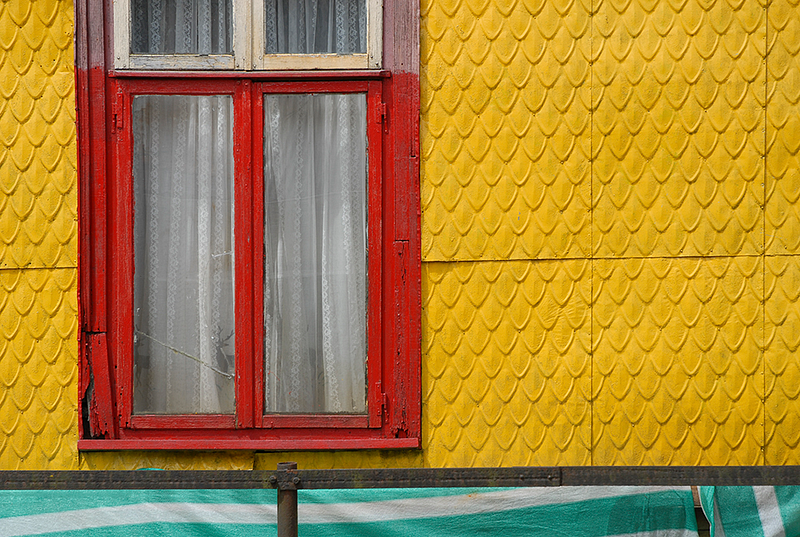
Vicuña, Chile. Photo by author.

The eyes are the windows to the soul is a well-known quote of unclear origins. Often attributed to William Shakespeare, Leonardo Da Vinci, or even the Roman philosopher Cicero.

Windows are the gateway to our insides, is a mostly unknown quote that originated in my own head. I ain’t no philosopher. I’m a photographer.

I started to focus on windows during my travels. I have little interest in monuments, churches, or tourist attractions. I have found that windows reflect a great deal about the cultural fabric of a place. It took some time for me to realize that, but once I did — I was hooked.

Windows became my travel souvenirs.

Let’s face it, at first glance, photographing windows amounts to looking at rectangles through a rectangle. Doesn’t sound like much, does it? Yet, a small detail can inject a window with flavor. Consider this:
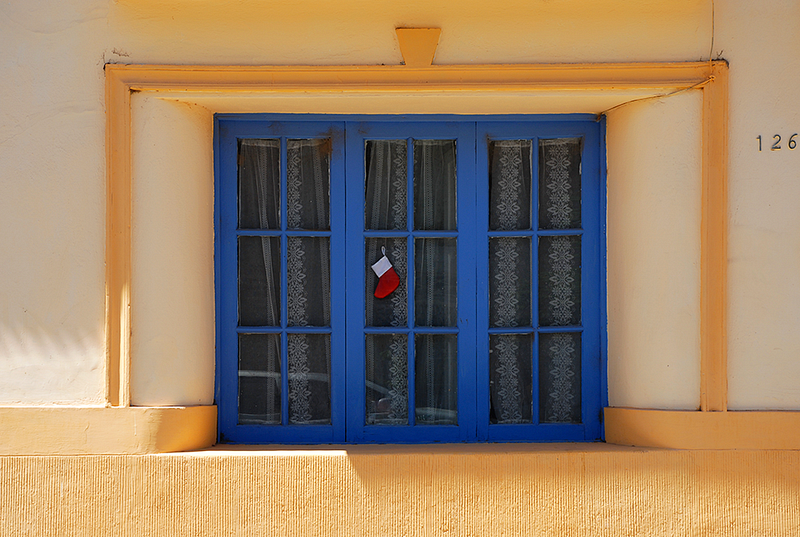
Valparaiso, Chile. Photo by author.

What can we discern from looking at framed panes of glass? Are there window coverings, objects, plants, or people visible? Are the window frames painted to stand out or do they blend with the structure surrounding them? What design elements have been added or enhanced?

I consider those elements an extension of the lives living behind those windows. They help me create my own story.

The distinctive architectural style of homes in the Santa Fe area gave me an opportunity to look beyond the windows and consider their context. The monochromatic earth-colored buildings made of adobe acted as a canvas for other design elements, so I widened my view. Consider these:
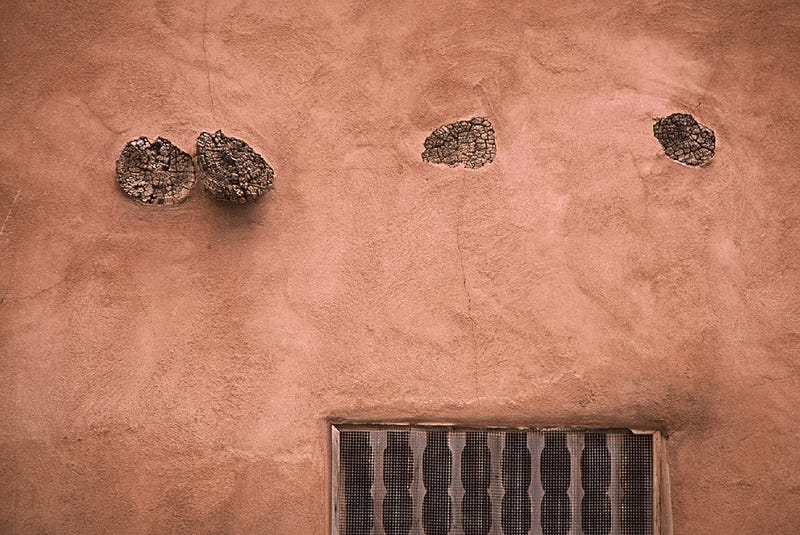
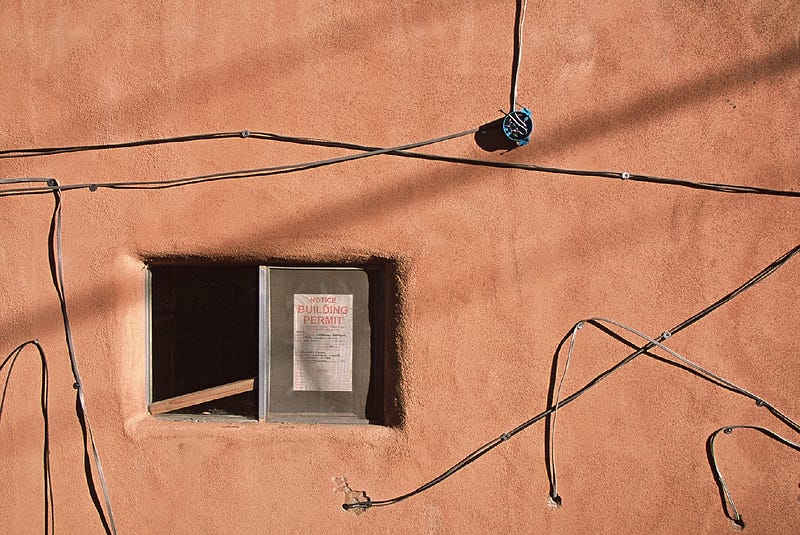
Santa Fe, USA. Photos by author.

The idea to incorporate external design elements into photographs of windows allowed me to create tension between elements.

Windows are generally orderly structures: balanced, symmetrical, rigid, and stoic. What happens when juxtaposed with a disorderly group of electrical wires and a rogue shadow? What did you see first? Or last? Is the shadow a welcomed element in the image, or a distraction?
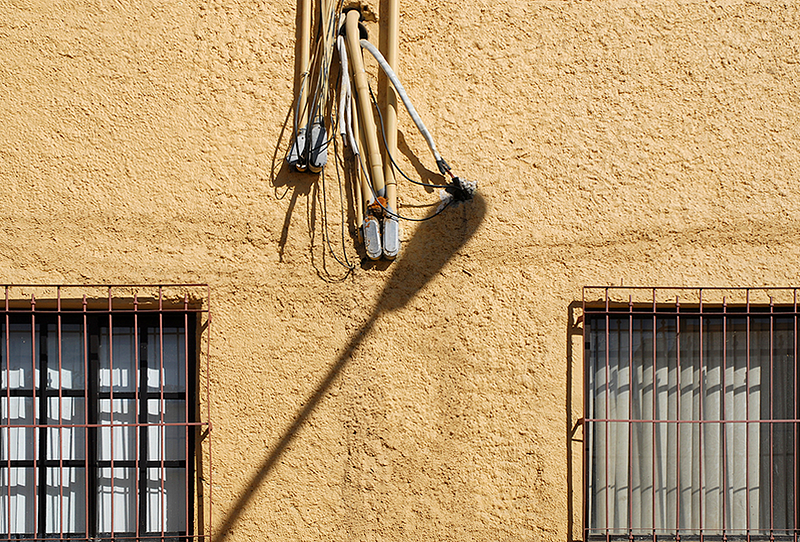
La Paz, Mexico. Photo by author.

You may have noticed that the color palette of the wire assembly is identical to that of the windows: black, white, grey, and rust. It is possible that the cohesive tones give the image some continuity.

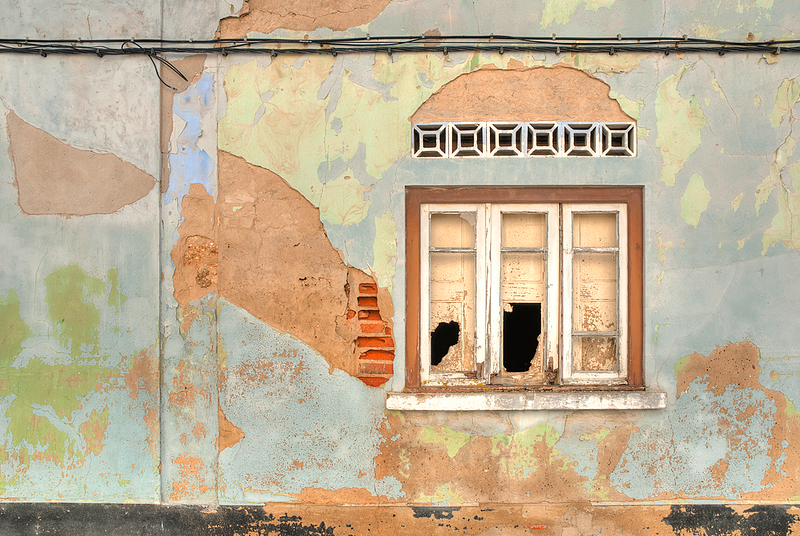
What happens when the colors and shapes are totally incongruous? Consider this:
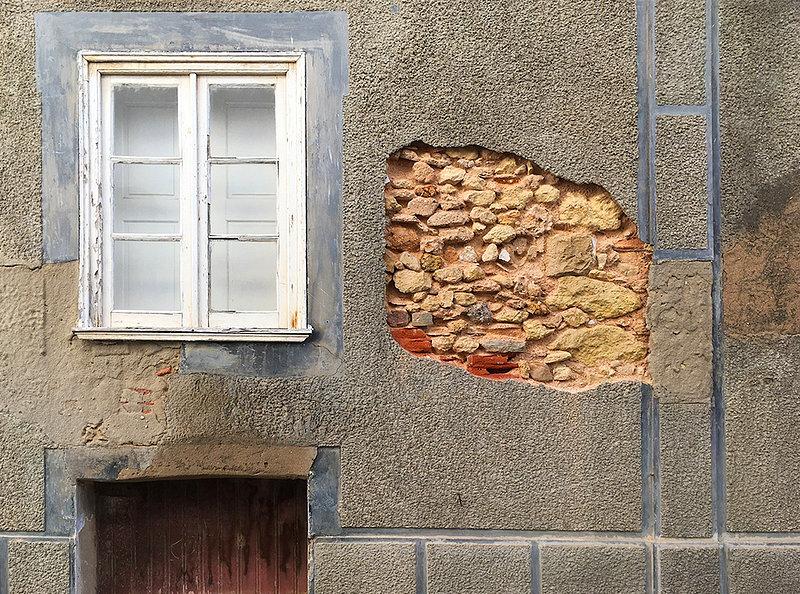
(L) Lagos, Portugal. (R) Alvor, Portugal. Photos by author.

Although the cultural elements encased in windows may at times be subtle, they are there. It may be as simple as the source of the building materials used.

Photographer GE McKerrihan often references and photographs structures made from Cantera Stone — a commonly used material in his beloved Oaxaca. The stone’s green color is determined by the impurities present in the stone of that particular region. (source)

At times the cultural or regional elements in a photo of a window are less subtle and more in your face. Consider this:
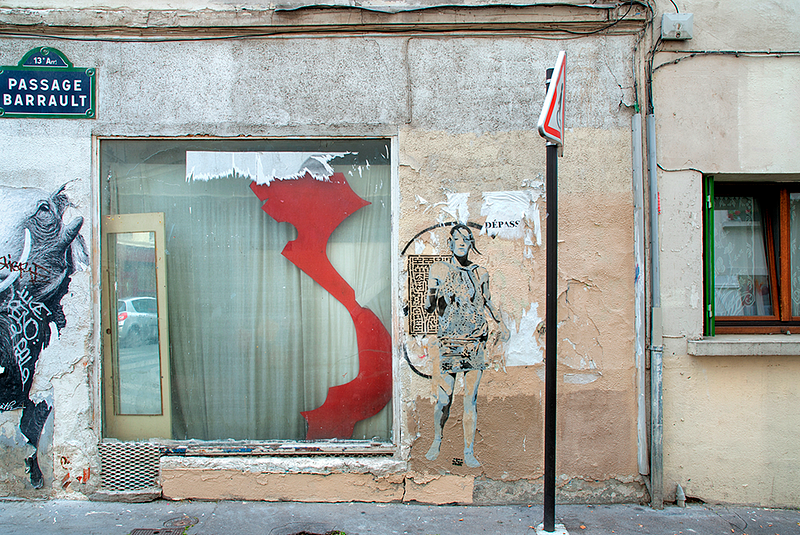
Paris, France. Photo by author.

Can you feel the energy of the City of Light in that image? Vive la différence!

And now for something completely different: the quiet strength of Taiwanese culture encased in three carved stone columns depicting bamboo trunks in a window; next to a bamboo tree trunk carved by…idiots.
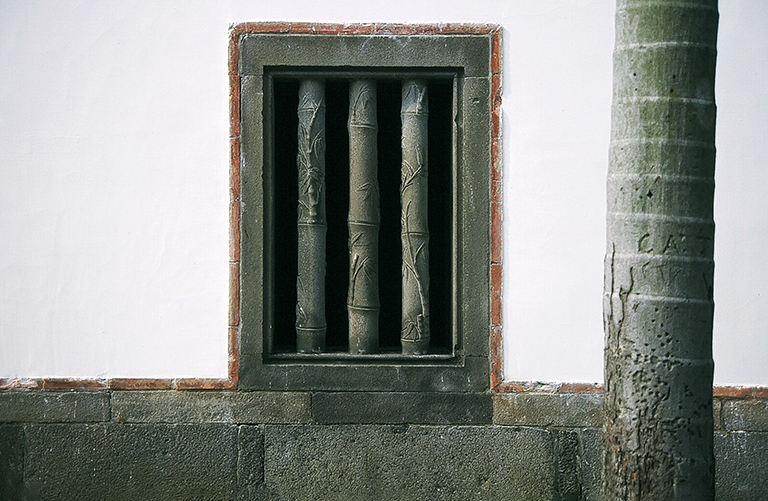
Hualien, Taiwan. Photo by author.

My inclination to photograph windows comes from an honest place. I was a stained glass artist for thirty years. I built many windows during that time. These three panels adorn the front door of our home.
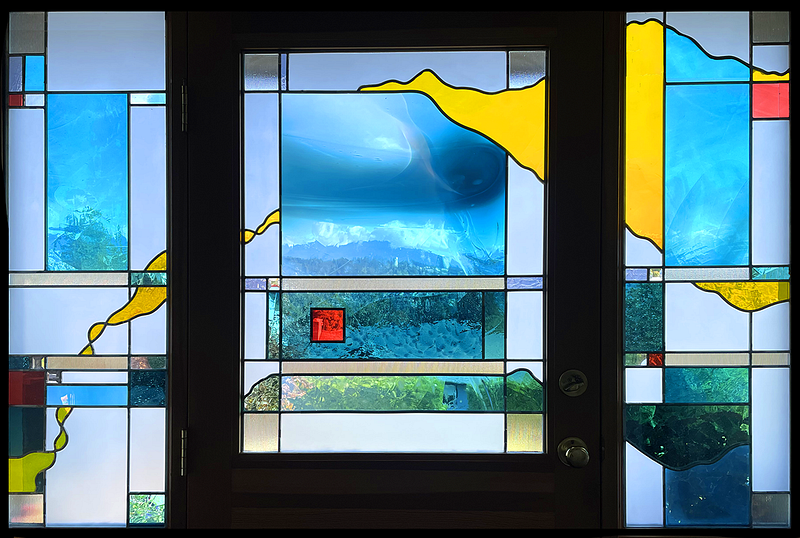
Glass panels and photo by author.

When I mentioned that windows are the gateway to our insides this is what I was referring to. I think these windows illustrate the fact that two artists live beyond those windows.

Photography
Windows
Travel
Art
Design
Recommended from ReadMedium