
Willow Trees and Literature: Loss and Healing
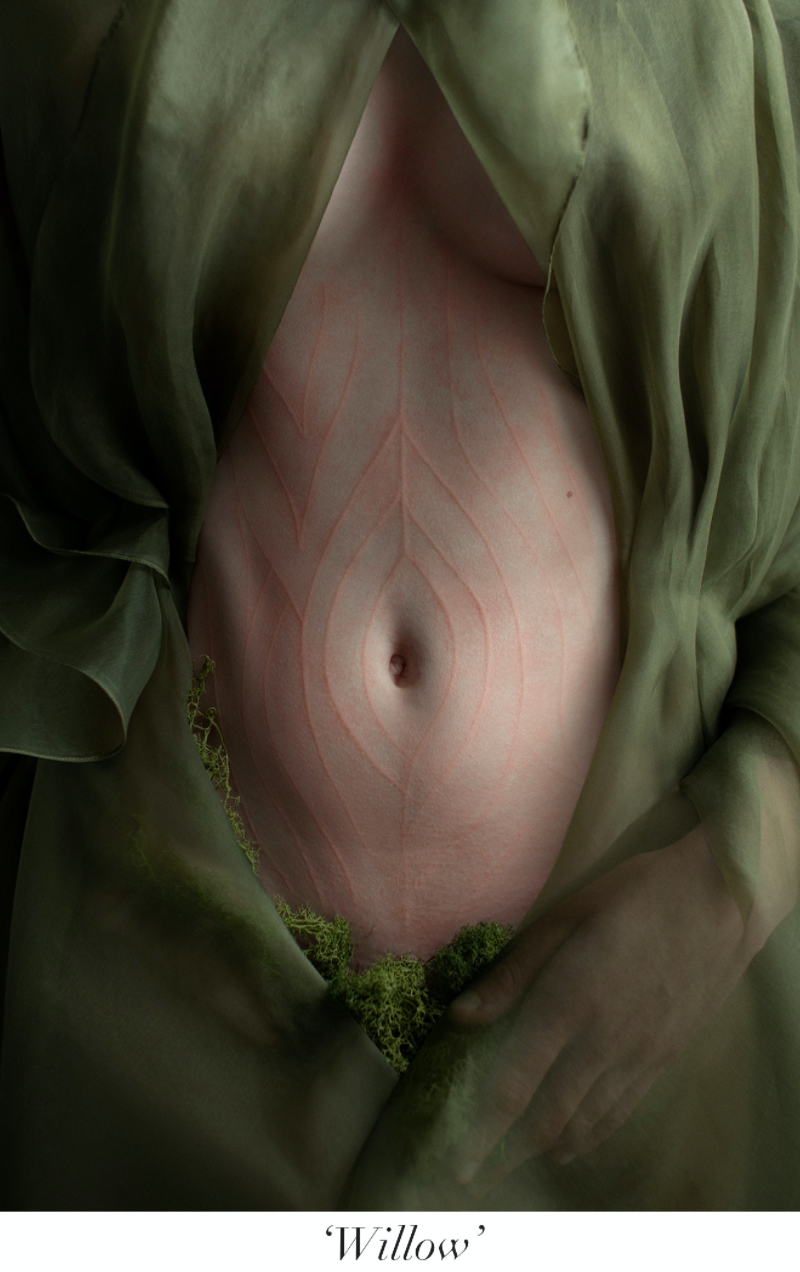
The leaves and bark of the willow have been mentioned in ancient texts even before Hippocrates wrote about their medicinal properties. The ancients used willow for pain relief. A few species of the Salix genus yield the drug salicin, used in making aspirin. Herbal uses of willow have continued into modern times; the bark and the powdered root were recommended for treating dyspepsia, worms, chronic diarrhea, and dysentery.
Biblical references to willow trees include Psalm 137, in which Jews held in Babylonian captivity weep remembering their homeland: “There on the willow trees, we hung up our harps.” Here, the willow symbolizes loss, along with the hope of future retrieval [Salix babylonica = the weeping willow].
Do willow trees symbolize death?
When writing about Karoline von Günderrode’s death, Christa Wolf (German novelist, essayist, and screenwriter), described the place where her body was found — an estate where a great number of willows grew:
“She wrote a few lines in her room and then calmly told her friend that she was going for a walk. In the evening, when she failed to return, people found the letters in her room and began to search for her with growing alarm. Toward morning, a farmer discovered her body on a spit of lang by the Rhine among a plantation of WILLOW trees. Her upper body lay in the water. She had stabbed herself to death. The place of her suicide was later covered by the river. Günderrode was buried in Winkel, by the cemetery wall. She wrote her epitaph herself. It was a quotation from an East Indian poet which she had found when reading Herder, and she went on to change the world, and the frame of mind in which she went to her death:
Earth, you my mother, and you, air, who nourish me,
Holy fire, my friend, and you, O brother, the mountain river,
And my father, ether. To you all, with reverence, I say:
My cordial thanks. With you have I lived here below.
And I go to the other world, glad to leave you.
Farewell, brother and friend, father and mother, farewell.”
[From Christa Wolf, No Place on Earth/Kein Ort. Nirgends (A mourning tribute to the Romantic writers of the early nineteenth century, Günderrode and Kleist)]
Willows are often associated with immortality and, when used on a tombstone, weeping willow trees can symbolize life after death, the resurrection of the soul.
The willow tree gives us hope, a sense of belonging, safety, and the ability to let go of the pain and suffering to grow new, strong and bold.
The image of the willow tree can be our path to hope and healing.
Please consider joining Medium with my referral link to support me and other writers!