
Willis and My Neighborhood
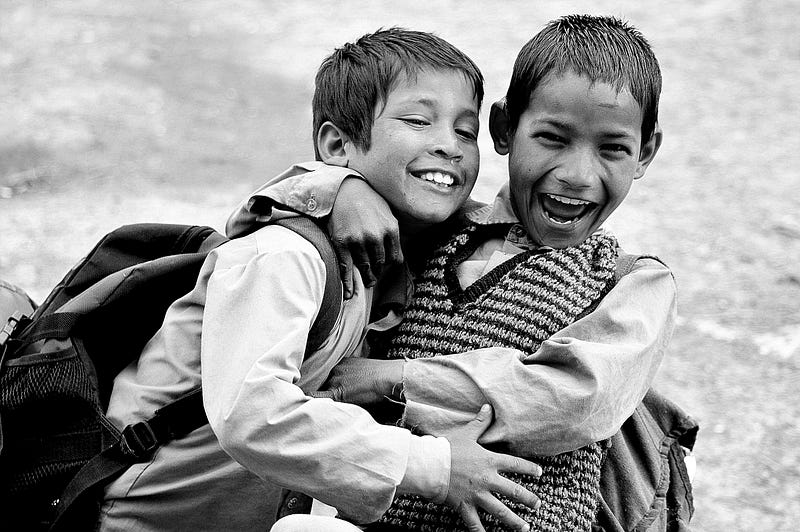
When I first met Willis, my folks and I and my grandmother had just moved into a big old barn of a house in town. (There was actually a big barn on the corner near our driveway.) Willis and his two older brothers and his mom and dad lived in a small house down the hill and around the corner on Cornell St. We lived on the same street, but for some strange reason our address was 1620 1/2 Main St. That made no sense to me as we lived a block away from Main, but I digress.
Willy and I became good friends and as with most youngsters our age, we had lots of adventures together. We lived a short block from Susan River, so many of our adventures involved the river. Our house sat up on the hill that formed the prehistoric river river bank. Willis lived down on the flat in the flood plain.
In the early spring the river would often rise and flood the low-lying areas. One year it nearly got to Willis’s back yard. That summer, the city built a levee along our side of the river.
Mr. Pinto
Mr. Pinto, a Portuguese man about my father’s age, lived just down the hill from us. A recluse, he owned a large lot with an 8-foot chain-link fence surrounding his property. He took great pride in his vegetable garden and tended it meticulously. It covered the back half of his yard.
Mr. Pinto grew tomatoes, corn, cucumbers, radishes, carrots, and a variety of peppers . He’d often shared some of his produce with my folks in return for them reading letters for him that he got from relatives. Mr. Pinto couldn’t read English.
Mr. Pinto had a reputation for being a mean and cantankerous old goat. If he caught anyone in his yard or climbing over his fence he’d come out of his house yelling for them to get off his property. Most kids were scared of him. But, since he was a family friend (he and my dad worked at the Fruit Growers Supply Company sawmill), I got along well with him.
Unfortunately, Mr. Pinto’s back fence bordered right field of the school baseball diamond. Foul balls often ended up in his yard. When that happened, I usually got elected to retrieve them. I’d go around and unhook the gate. If it was unlocked, Mr. Pinto was at home. If not, I’d have to climb over the fence and hope he didn’t come home while I was in his yard. I didn’t fear him like the other kids did. Still, I did my best to get the ball and get out of there before he came out.
If he was home, I’d knock on his door and ask if it was alright to retrieve our ball. “Yeah, but stay out of garden,” he’d yell through the open door. I always did my best not to step on anything, but the ball was usually out in the garden, so I’d have to tip-toe out to get it, stepping carefully between the rows.
Concrete Slabs — a playground for us kids
To help control erosion from flooding, the city hauled loads and loads of huge concrete slabs from demolished sidewalks to the strip of land between Mr. Pinto’s place and the river. These slabs sat piled one upon the other at odd angles.
They were a natural attraction to us kids. We loved to climb on, over, around and even under them. One day while scampering over them, Willis tripped and fell on one of the slabs. The result was a chipped tooth and a bloody lip. After that, his parents forbade him to play on or go near those concrete slabs.
Soon after that a bulldozer from the mill came and pushed the slabs into the river and covered them with gravel and dirt. That was the end of our play area. However, the slabs now made some good fishing holes where the water swirled around them and formed pools. But, you had to cross the river and fish from the gravel bar on the other side.
Fishing
In the summer, we kids would get jars and capture grasshoppers that fed on the alfalfa and milkweed growing along the river. We used them for fish bait. They worked well for catching trout, the most common fish in the river.
Suckers were common in some areas, too, but you couldn’t catch them with a pole and line. We’d sometimes make gigs and try to gig them, but they were usually too fast for us. We’d also try to catch minnows with our bare hands. We might catch a few small ones.
A favorite bait was Hellgrammites. We caught them with a screen stretched between to boards, usually 1x1s or 2x4s. You’d stand downstream and stretch the screen. Then you or someone would rake the rocks and gravel above the screen and the Hellgrammites would float down into the screen.
Another favorite bait was worms. When we spaded the garden, we’d always have a coffee can with us to collect worms (night crawlers, mostly).
East of town you could catch catfish in some of the deeper sloughs.
Willis and I would often fish the river, but mostly for trout. The Fish and Game people would stock the river before the season opener, which was always on Memorial Day weekend. Back then, only a few people fished the river in town. On opener, if we couldn’t get someone to take us fishing somewhere out of town, we’d fish the river up one side and down the other.
There’s nothing like the electrifying feel of a trout taking the bait and making a mad dash for cover. You set the hook, then give it some line to let it run if it will. Then, slowly, you work it back to you, keeping the line taut so the fish can’t shake loose from the hook.
Finding access to the river could be challenging. Willow thickets and other bushes grew along it in some places. In other places the way was blocked by houses and fenced yards. So, fishing involved a lot of seeing a spot that might hold some fish and figuring out how to get to it. When we were older, we wore hip boots and waded up or down the river, which helped with access, but you had to be careful not to spook the fish. I don’t think chest-high waders had been invented yet.
Ward’s Lake
When we could talk them into it, we’d get Willis’s older brothers to take us to Ward’s Lake about 10 miles out of town to fish for panfish. That was great fun. We’d bobber fish using red worms we’d dug up in their chicken pen. Mostly we caught Blue Gills and Sunnies.
We would go late in the day and set up lawn chairs on the shore. Just before sundown, the fish would start feeding and you could catch them as fast as you could bait your hook and cast it back out. Great fun!
We’d catch our 30-fish limit within an hour or two. Then it was time to go home and clean them. Mom would fry up a mess of them the next day. There’s nothing like fresh fish breaded in cornmeal and fried the way Mom fixed them.
Gunpowder fun
Where they got it, I don’t know; nor do I know why they had it, but at one time Willis’s brothers had a can of black gunpowder. Thinking back, that was a very dangerous thing to have around. One 4th of July, Willis and I got the idea of making some homemade fireworks. We were delighted when we put a small cap of gunpowder under a coffee can and lit it. The gunpowder exploded and sent the can sailing up in the air.
Willis then tried to light a small cap of gunpowder without the can over it. He didn’t have a long enough fuse and the gunpowder ignited prematurely and burned his thumb. He learned a painful lesson and we never played with gunpowder again; well, almost never.
We learned that you could make interesting designs and write on concrete by spreading gunpowder and lighting it. The burning gunpowder etched the words into the concrete. Fortunately, there were no accidents and we soon ran out of gunpowder, lucky for us.
Rope Swing
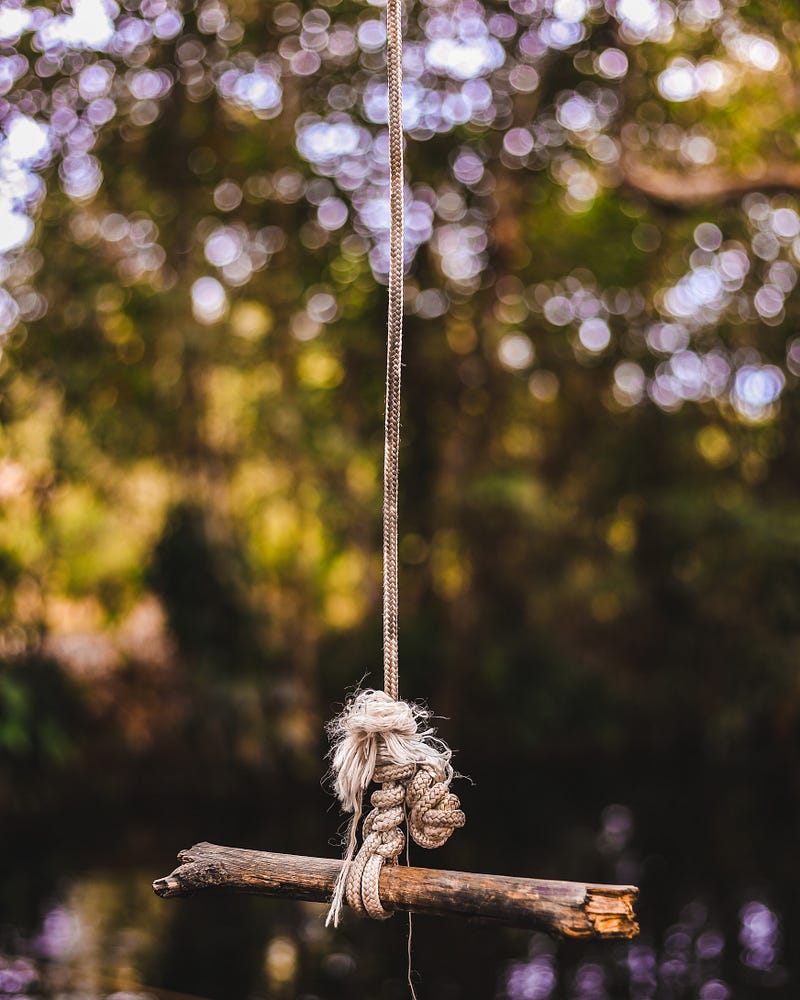
Willis had a huge cottonwood tree in his back yard. We made a crude rope swing and were having a ball climbing up in the tree, grabbing the rope and swinging out over the packed dirt driveway. Unfortunately, one time Willis lost his grip and fell off. He landed on his butt and was knocked silly.
After that, he began asking questions. He’d ask the same question over and over. We told him to knock it off, but he kept doing it. I’d never experienced someone with amnesia. We got scared and told his mom that he was acting strange. She took him to the doctor. I think the doctor just examined him, sent him home and told him to lie down and rest. Nowadays, that would entail a CAT-scan and a stay in the hospital for observation. Of course didn’t have such things back then.
The next day, Willis’s dad climbed the tree and cut the swing down.
Scooter
When Willis was 14 and I was 13, his older brother Lloyd got an old Vespa motor scooter. Willis figured he was old enough to drive it and occasionally, his brother would let him take it for a short spin. He even let me ride on the back of it — no helmet, no protective clothing of any kind. I’m sure if my folks had known, they would have been mortified. Of course, we kids thought it was great fun. We rode it a few times without any accidents and without getting stopped by the police. Lucky for us.
I was playing on it one day and hit the brake pedal too hard and broke the connecting rod between the pedal and the back brake. After he got through berating me and pushing me around, I promised to fix it. Thankfully, Lloyd was a pretty good mechanic. We found a steel rod of the right size, drilled some holes in it and eventually got the scooter working. I wasn’t allowed on or near it again.
First Job
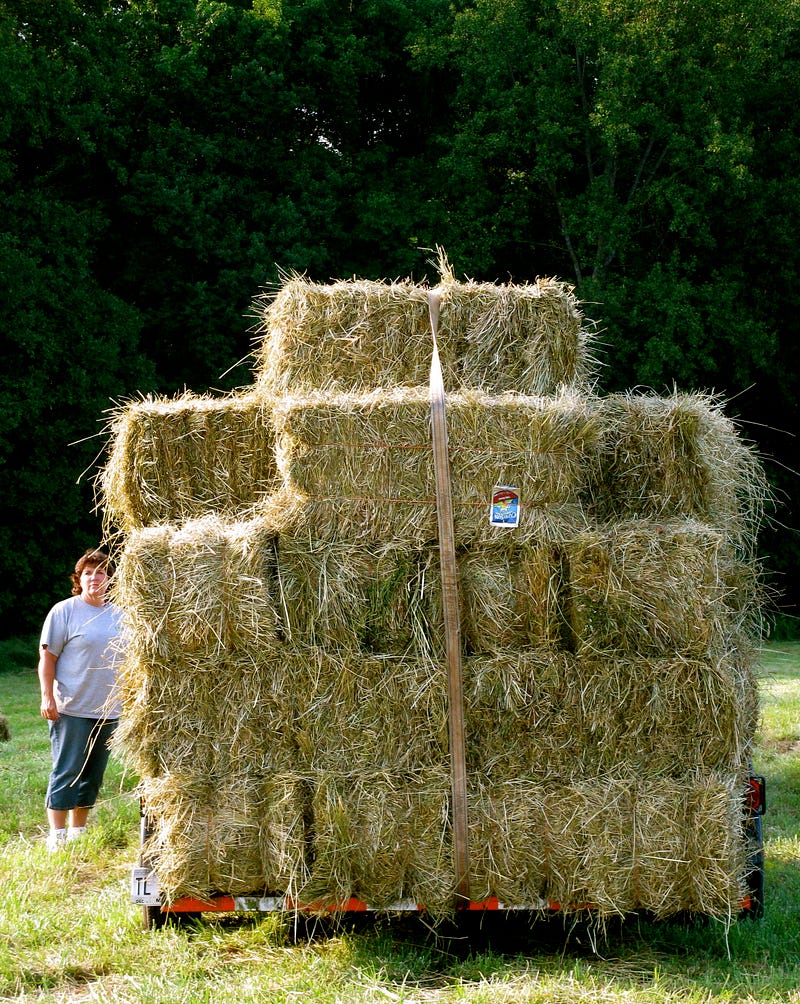
I got my first job working for Willis’s older brother James. He had come back from the Korean War and bought an old 2-ton Studebaker truck and bale loader. The summer before I went into 7th grade, James started hauling hay for a couple of local ranchers.
It was a family business, so naturally, Willis was part of it. His job was to line up bales so his dad could drive the truck and loader around and pick them up. James and Lloyd, Willis’s other older brother, stood on the back of the truck, took the bales off the loader and stacked them on the truck. When they had a full load, they’d drive to the stacking yard or barn, unload the bales and stack them.
I thought it sounded pretty cool. Besides, with Willis out working in the fields, I had no one to play with. And… Willis was making money!
I talked to Willis and eventually talked his brother into hiring me, too. They paid us $2.00 per day. That was a lot of money for a kid with no skills, and, I have to admit, we spent a lot of time sitting under the truck in the shade while Willis’s dad and brothers did most of the work unloading.
We thought those bales weighed a ton. In reality they weighed 50–60 pounds. It took all I could do to lift one end and drag one from wherever the baler spit it out to a line where the truck could easily pick it up. Doing this all day under the hot sun was my introduction to hard work. Willis and I survived and by the end of summer, we were in pretty good shape.
Bad Influence
I liked Willis a lot, but he was a bad influence. He started smoking cigarettes in junior high. At noon, he and a friend would buy a Pepsi at a small grocery store near school and walk down the railroad tracks eating potato chips, drinking Pepsi out of a glass bottle and smoking. I sometimes joined them. My folks both smoked and most of their friends smoked, so I thought smoking was cool and something adults did. It didn’t take long for me to get hooked on nicotine. Despite my parents warnings, I picked up the habit and it took me nearly 35 years to break it.
Willis also introduced me to alcohol. Willis had his driver’s license, so he borrowed the family pickup and we went to the drive-in theater. Willis arranged through an older friend to get a bottle of Christian Brothers brandy. We bought some 7–up and drank brandy-7s all night. I got sicker than a dog. I wish I could say that I learned my lesson, but I continued to binge drink for many years. Thankfully, that is behind me now. I don’t touch the stuff anymore
Drop out
I don’t know what happened to Willis. He dropped out of high school as soon as he was old enough. He didn’t see any value in it. He wanted to be a mechanic and he’d taken all the shop classes the high school offered. I went away to college and never saw him after that. He wasn’t a good influence, but we had a lot of fun together.


