How to Own Your Life and Become a High-Achiever
Top performers are no different from us. It’s all about mindset.

High-performers are born with some special blood type that the rest of us just don’t have
I know, I’ve been there, we see them on their shiny websites, with sparkling eyes, and perfect smiles full of unnaturally white teeth, your whole house costs less than one of their watches. They are flawless. You listen to them, you admire them, you’re inspired by them. You want to be like them, but somehow you feel that it’s a life just too far beyond your reach.
You look yourself in the mirror and your skin doesn’t have a permanent golden suntan of days spent in your Mansion swimming-pool in Malibu, you pop some pimples in your face (when is a person old enough to stop having pimples????) you’ve got dark circles around your eyes, and no, it’s not lack of sleeping, it’s just your age. In fact, those rings are black when you sleep well, and green or red when you don’t sleep. The mirror reflection is shouting to you: common!; normal!; average!
You are not alone. In fact, you are far from alone in there
Unless you were making your first million by the age of 25, or that you grew up in that Mansion because of your family's financial achievements, you probably are a nobody. Although… are you?
I can confidently say something: I don’t believe for a single moment that you and I are less than any of those shiny achievers.
Yes, I can see your face of disbelief, but trust me, this is not about what they HAVE that we don’t, this is about the kind of person they decided they wanted to BE.
There is a very interesting sentence I read the other day (I know, it’s probably a super famous one for everybody, but new for me, so allow me to enjoy my discovering!): FIRST YOU CREATE THE HABIT, AND THEN THE HABIT CREATES YOU. I don’t know who said it originally, but I heard it from Jim Kwik, so as far as I’m concerned it’s his 😅
I love its simplicity and truth.

Let’s check a normal day of a high-performer:
- 5–6am They wake up fresh as a rose, they love their morning routine so much that they set the alarm 2–3 hours before they really need to.
- 6–9am They do daily meditation/aerobic exercise/yoga/write a list of the things they want to do/make a list of their priorities and goals/spend some time being grateful for all the gifts they have/have a nice full-of-nutrients-and-other-wonderful-ingredients-that-you’ve-never-heard-of breakfast (they base their diet in whole-natural food)
- They travel to work and back while listening to an audio book in their transport.
- 9am–6pm they work hard, they organize their agendas so they focus on the activities that are aligned with their goals, and reject all distractions.
- 6pm Time to be with their families and friends. They nurture their relationships, they listen, they have dinner without the TV, even on a real table with real chairs and… wait for this… using plates, cutlery and a table cloth! They treat their family gatherings as important moments to connect and listen to each other. They don’t sit down in the couch in front of the TV while stuffing their mouths with food, having their phone in one hand and laptop in the other (by the way, did you know that the silicon valley gurus don’t allow their children to use electronic devices?)
- After dinner, time to check your social media, or to watch a movie, but not for too long, since you know how white screens can affect the quality of your sleeping, so you prefer to read a book and use nice environmental warm lights one hour before going to bed.
They actually read a lot, they know that Leaders are readers, so they read a minimum of one hour a day
Now, let’s see one normal day in an average person:
7–8am Alarm clock. Fuzziness; pain; crying if it’s Monday; hangover if it’s Saturday or Sunday
8–9 am working in the office, you’ve just had your third coffee, starting to wake up. You didn’t even say good morning to anyone, and nobody cared since you are all sleepy, it’s like a zombie apocalypse. In the meantime, you’re checking your phone all the time, and yes, we all know that you’re probably reading this in the toilet (thanks for NOT sharing that information with me if that’s the case! 🤢)
12 noon Lunch at your office desk with some fast food
1pm Back to work, now you are fully awake and kind of looking forward to finishing your day
6pm Finally back home! Some dinner, and 3–4 hours vegetating on the couch watching Netflix, binging and drinking beer.
11–12pm going to bed
Start the cycle again.
Of course this is a extreme example.
But I’m afraid the statistic doesn’t say so, it actually agrees more with what I’ve just written.
- 80% people read less than a book per year. In the other 20% only 1% reads more than 4 books per year.
- The average time watching TV is around 3 hours per day. The pandemic made things worse, reaching peaks of 8 hours a day.
- More than 60% of the global adult population is sedentary (measured by spending less than 90 min a week exercising).
- Around 40% people have sleep disorders.
Exercise 1: Find the 5 differences between those life-styles Exercise 2: Who do you think has more chances to be successful?
What is your choice?
Am I saying this to blame us normal people for not belonging to the Olympus of the Top-performers? How dare I suggest that they deserve their success and we deserve our misery? Of course not! Blaming and shaming are basically the most useless action or feeling a person can have. And no one deserves misery or suffering.
But we can take responsibility and action. We can own our life from now, from today. Yesterday is the past, but we are building our future with our actions today.
why am I saying this?
TO WAKE YOU(us) UP
Because the truth is: If you want to be a top performer, you have to behave like one, and eventually you will be one.
Because if you want to be the best in what you do, you have to give your best
Steve Chandler said that every time we are watching TV, we are passively witnessing people succeeding and doing something meaningful (acting, reporting, creating…). Doesn’t it make you wonder in which side of the TV you would like to be?
I’m too old for succeeding
This is also an old excuse. And I can see why, we are seeing this shiny people, some of them even 10–20 years younger than us, and we have this feeling of time wasted (or invested in other things).
The shiny people of our own age have been successful for decades now, and the older shiny people start their sentences with a “in my 30–40 years of experience working with thousands of people”. And those numbers are just too big, they make you dizzy, and then you just accept your opaqueness, embrace your averageness and say “well, it’s too late for me anyway”
No! Objection! Don’t agree! Wrong! Mistake! Not true!
No one is too old for anything. Some people need more time to get to the same point that others reached faster, but in the journey, we learned invaluable lessons that will help us in our new life.
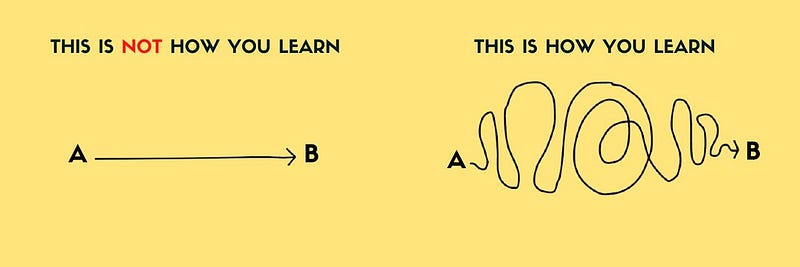
There are people that became famous after their 40’s (and 50’s). There are people that started from less than zero, people who had lost everything, who had no connections, or were addicted to drugs, and could build a whole new life. They didn’t HAVE anything, they wanted to BE different, they became the person they wanted to be.
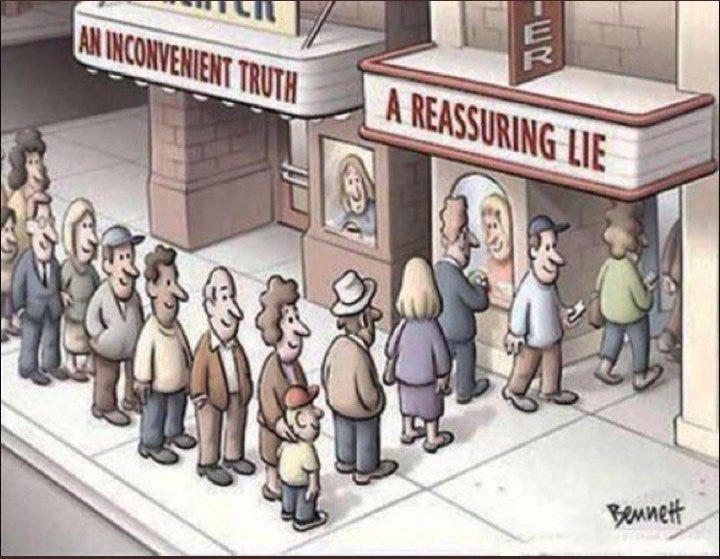
I hope you don’t hate me too much for pointing out these uncomfortable truths, believe me, I’m far from having that shiny life, but at least I know it.
I know where my bad habits are leading me, and I know the consequences of changing them, and I’m on my way to do it.
The first life may sound too disciplined, too boring for many of us. But for me, it feels authentic, full of love and respect to myself and the people around me.
Another option could be to remain on my couch crying for my bad luck,while I think those top performers with glowing skin were rewarded by the gods (in Spain we would say that they pee Chanel No. 5 and defecate Ferrero Rocher, excuse my bad language). But I’m not choosing that option. I’m choosing to own my life.
And here it comes your moment of truth:
WHO DO YOU WANT TO BE?