id="2022">The use of a brain implant can also be improved by adding a <b>Brain-computer interface </b>that allows injured people to utilize computers and machines without using any other parts of their body rather than the brain.</p>
<figure id="2d54">
<div>
<div>
<img class="ratio" src="http://placehold.it/16x9">
<iframe class="" src="https://cdn.embedly.com/widgets/media.html?src=https%3A%2F%2Fwww.youtube.com%2Fembed%2FGgTwa3CPrIE&display_name=YouTube&url=https%3A%2F%2Fwww.youtube.com%2Fwatch%3Fv%3DGgTwa3CPrIE&image=http%3A%2F%2Fi.ytimg.com%2Fvi%2FGgTwa3CPrIE%2Fhqdefault.jpg&key=a19fcc184b9711e1b4764040d3dc5c07&type=text%2Fhtml&schema=youtube" allowfullscreen="" frameborder="0" height="480" width="854">
</div>
</div>
</figure></iframe></div></div></figure><h1 id="b594">Artificial intelligence</h1><p id="e595">Only a few years ago, talking about <a href="https://builtin.com/artificial-intelligence">artificial intelligence</a> sounded like a remote science fiction experiment. Nowadays, they are everywhere, and their use keeps growing as their updates and features.</p><h2 id="07f8">What is artificial intelligence?</h2><blockquote id="a8a6"><p>“AI is a computer system able to perform tasks that ordinarily require human intelligence… Many of these artificial intelligence systems are powered by machine learning, some of them are powered by deep learning and some of them are powered by very boring things like rules.”</p></blockquote><blockquote id="66dd"><p>DataRobot CEO Jeremy Achin — Japan AI Experience in 2017</p></blockquote><p id="5209">Some of the most known artificial intelligence are chatbots, virtual assistants, image/facial recognition software, or spam filters.</p><p id="696c">A.I. are use for <b>rehabilitation</b>, like the <a href="https://msutoday.msu.edu/news/2020/using-robots-to-assist-neurological-impairment-recovery/">robotic gloves </a>that help people recover fingers motor function after traumas.</p><p id="67ff">According to Elon Musk, founder of <a href="https://en.wikipedia.org/wiki/Neuralink">Neuralink</a>, a company developing implantable brain-machine interfaces, <a href="https://www.businessinsider.com/elon-musk-neuralink-brain-chip-put-in-human-within-y
Options
ear-2020-5?IR=T">putting an electrode in a person’s brain is just a matter of a year</a>. Neuralink brain implant aims to <b>treat severe brain diseases in the short term</b> and create a sort of symbiosis between humans and artificial intelligence so we will easily drive our Testa hands-free.</p><h1 id="d484">Robot workers</h1><p id="12e3">“A robot took my job!” Will this be the reason for us to be fired from our workplace someday in the future?</p><p id="045d">The <a href="https://www.bankofengland.co.uk/knowledgebank/will-a-robot-takeover-my-job">Bank of England</a> wrote a piece about how technology changes will affect some sectors more than others, how we can learn from the past by analyzing previous inventions and what jobs are more likely to be requested in the future.</p><h2 id="1506">Are you going to be replaced by a machine? What job will your child do?</h2><p id="4675">Having robots doing the heavy lifting or dangerous works doesn’t necessarily mean you will end up unemployed. For example, in China, robots were largely used during the Covid-19 pandemic. <a href="https://www.nature.com/articles/d41586-020-01793-9">China’s health-care system recruited robots</a> to clean, take temperatures and deliver food. It’s not something new in China, where, since 2012, the use of robots for daily tasks has been improved.</p><p id="417e">Robots are nowadays used worldwide to carry <b>dangerous tasks</b> like defuse bombs or clean up nuclear sites.</p><figure id="43b6"><img src="https://cdn-images-1.readmedium.com/v2/resize:fit:800/0*Kdko4qwYsLGO_KeJ"><figcaption>Photo by <a href="https://unsplash.com/@franckinjapan?utm_source=medium&utm_medium=referral">Franck V.</a> on <a href="https://unsplash.com?utm_source=medium&utm_medium=referral">Unsplash</a></figcaption></figure><h1 id="f9d3">Will we be robots?</h1><p id="45eb"><b>What will happen to our human body one day?</b></p><p id="f92b">In the tv series “The 100” some people’s minds get saved in a mind drive and moved from one body to another when they die. Will this happen to us too? Will our mind be stored in a hard disk, moved from a robotic shell to another, and able to do all sorts of jobs with no physical limitation??</p><p id="e836"><a href="https://www.bbc.com/news/business-48994128">Will we be humanoid robots?</a></p></article></body>
Will We Be Robots?
Robotic prostheses, Artificial Intelligence, robots substituting humans in high risks jobs: where are we heading?
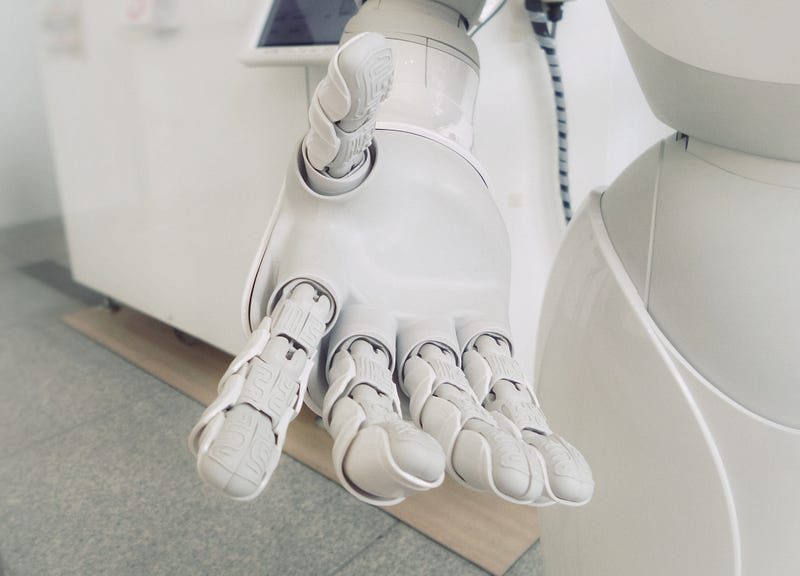
It is no secret that our bodies are meant to fail due to time and high intensitive jobs. Robotic prostheses come in our help in case of traumas, accidents, diseases, or natural body consumption. What human body parts can we currently substitute with metal components? Hands, arms, legs, eyes, and the list is growing day after day thanks to scientific researches and new technologies developed.
How do Robotic Prostheses work?
Let’s take an arm, for example. The bionic arm is normally connected to the muscle of the body at the point where the limb was amputated. It can be attached to the remaining part of the arm or the chest. Those muscles still receive the impulse from the brain, and when they contract, the electrodes situated on the robotic arm react and make the prosthesis move.
Today, this is the most common type of bionic prostheses: it is called Targeted Muscle Reinnervation.
Once the prosthesis is in place, the patient will need months of rehab, training, and psychological support to move the limb properly and gain confidence.
But this is not the end of a long science, technology, and medicine path in the artificial limb field. The next step is a brain implant, an electrode positioned on the brain surface, close to the cerebral cortex, able to interact with neurons. In this way, it will be easier to move the bionic limb with thoughts and precise directions.
This technique remains quite invasive; therefore, it isn’t suitable for everybody and recommended only on patients with severe and significant health issues.
The use of a brain implant can also be improved by adding a Brain-computer interface that allows injured people to utilize computers and machines without using any other parts of their body rather than the brain.
Artificial intelligence
Only a few years ago, talking about artificial intelligence sounded like a remote science fiction experiment. Nowadays, they are everywhere, and their use keeps growing as their updates and features.
What is artificial intelligence?
“AI is a computer system able to perform tasks that ordinarily require human intelligence… Many of these artificial intelligence systems are powered by machine learning, some of them are powered by deep learning and some of them are powered by very boring things like rules.”
DataRobot CEO Jeremy Achin — Japan AI Experience in 2017
Some of the most known artificial intelligence are chatbots, virtual assistants, image/facial recognition software, or spam filters.
A.I. are use for rehabilitation, like the robotic gloves that help people recover fingers motor function after traumas.
According to Elon Musk, founder of Neuralink, a company developing implantable brain-machine interfaces, putting an electrode in a person’s brain is just a matter of a year. Neuralink brain implant aims to treat severe brain diseases in the short term and create a sort of symbiosis between humans and artificial intelligence so we will easily drive our Testa hands-free.
Robot workers
“A robot took my job!” Will this be the reason for us to be fired from our workplace someday in the future?
The Bank of England wrote a piece about how technology changes will affect some sectors more than others, how we can learn from the past by analyzing previous inventions and what jobs are more likely to be requested in the future.
Are you going to be replaced by a machine? What job will your child do?
Having robots doing the heavy lifting or dangerous works doesn’t necessarily mean you will end up unemployed. For example, in China, robots were largely used during the Covid-19 pandemic. China’s health-care system recruited robots to clean, take temperatures and deliver food. It’s not something new in China, where, since 2012, the use of robots for daily tasks has been improved.
Robots are nowadays used worldwide to carry dangerous tasks like defuse bombs or clean up nuclear sites.
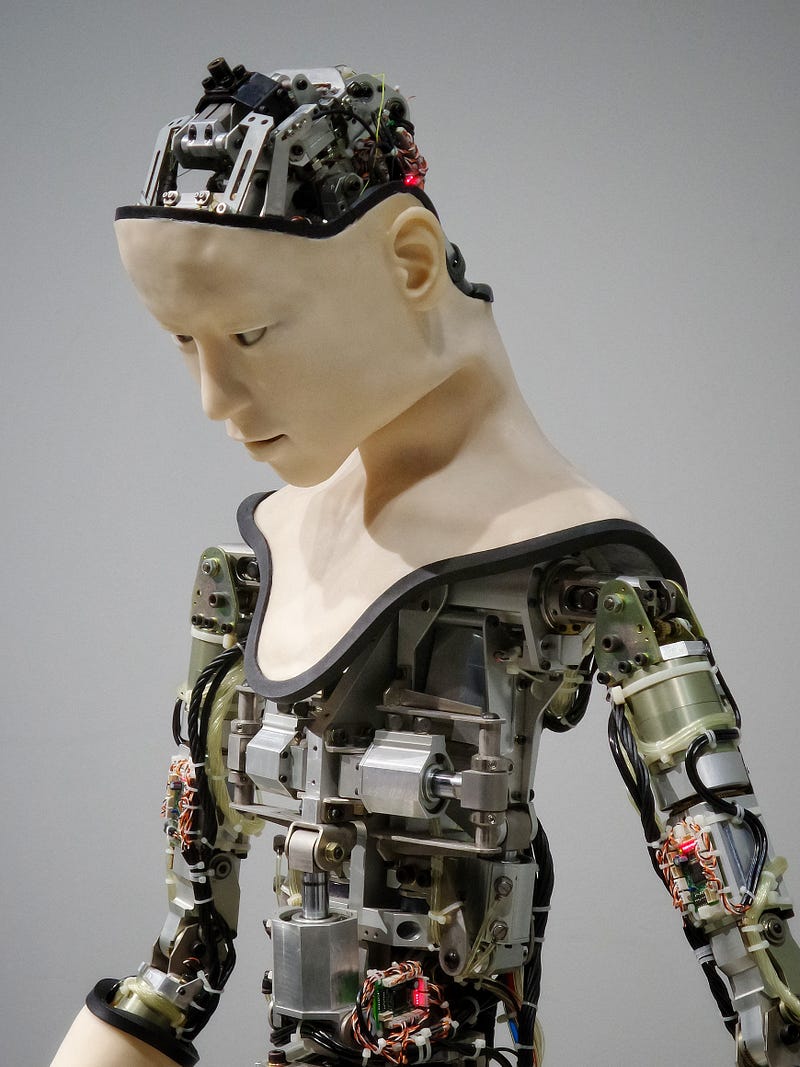
In the tv series “The 100” some people’s minds get saved in a mind drive and moved from one body to another when they die. Will this happen to us too? Will our mind be stored in a hard disk, moved from a robotic shell to another, and able to do all sorts of jobs with no physical limitation??