
Will This Misery Never End?
Seeking a cure for chronic urinary tract infections

We had been in Germany two days when a bladder infection hit me like a branding iron. While my partner took our three children sightseeing, I visited the front desk of our motel to arrange a doctor’s visit. It was Sunday, I wasn’t yet in the habit of carrying antibiotics with me every time I traveled, and I was desperate.
If you’ve ever suffered a UTI, you’re nodding your head in agreement that a bladder infection in a foreign country on a Sunday afternoon without any antibiotics in your suitcase is reason enough for desperation. With the help of a kind concierge, I was soon in a cab on my way to a tiny cubicle of an office, a gray, utilitarian place with no carpet, plain linoleum floors and cinder block walls. It reminded me of a public toilet.
The poor young man in the waiting room with me was deathly ill, or else he did a pretty good job of acting like it. He asked for a bathroom key, and a solemn faced man at the front desk wordlessly produced one. Key in hand, the sick man lurched toward the bathroom. The sound of his violent retching echoed through the waiting room.
The Universal Language of Bladders
Next it was my turn to see the doctor, who was dressed in jeans and spoke no English. How am I going to describe a bladder infection since I don’t speak a word of German? I thought as I fought the constant, burning urge to pee. I ended up having to pantomime my symptoms.
Young women clutching their bladders, pantomiming an urge to pee and looking totally miserable don’t need a spoken language to get across the universal experience of a bad UTI. The doctor caught on quickly and indicated to me that a urine specimen was needed.
When I had to request the same bathroom key and visit the same bathroom as the guy who had retched so violently minutes earlier, I recoiled. What kind of germs still lingered that might attack me in my weakened state? The last thing I wanted was vomiting sickness in addition to a UTI. But I had no choice. I used a handkerchief to touch the doorknob, hovered over the toilet seat without letting my butt touch down, positioned a little plastic cup under me and produced the necessary sample.
There were no nurses scurrying around, no smiling receptionists, no busy attendants. I slid the plastic cup of urine through a slot in the wall and waited. The specimen was eventually examined by someone, I assume the doctor since no one else except the unsmiling front desk guy was in ithe building.
The doctor got across to me that it was, indeed, a UTI, and he wrote me a prescription. He was nice enough to arrange for a cab that whisked me off to a pharmacy in another little German town. My pharmacy transaction took place through a slot in a door with me standing on the sidewalk outside. But I soon had my medicine and the infection cleared up. I didn’t contract the dreaded retching disease, either.
A Taste of Thing to Come
The rest of our vacation was gloriously uneventful from the standpoint of health issues, although I promised myself that next time I traveled overseas, I would bring a fistful of antibiotics. Little did I know this episode was merely a taste of things to come. My life with antibiotics and constant, chronic UTI’s was in the beginning stages. I never suspected this would become a problem to plague me, almost ruin my sex life, send me to a series of doctors and specialists and cause me to hyperventilate whenever I had to pee.
How could a little bladder infection, painful but easily cured, become something untreatable, constant and unrelenting? How could fear of pain be part of every normal bathroom trip because infections had become so frequent?
Sex and Cystitis: The Honeymoon Effect
The first time I had a UTI was years before the episode in Germany. I was a newly married flight attendant working a trip to San Juan. During the flight home I developed sudden, painful bladder spasms in the middle of our meal service. A trip to the plane’s tiny bathroom cube provided no relief. I could only manage a few dribbles, and the discomfort didn’t stop. I still felt like I had to go!
“I don’t know what’s wrong with me. I keep feeling this pain, like I have to go to the bathroom, then nothing comes out,” I told one of the other flight attendants.
“You’ve got a bladder infection,” she said knowingly. “Go to a doctor and get some antibiotics. It should clear right up.”
That’s what I did when I got home. The doctor, my gynecologist at the time, told me I had honeymoon cystitis.
“Cystitis is usually caused by sex,” he explained. “Vaginal intercourse can be a trigger for a urinary tract infection. It’s easily cleared up with a round of antibiotics. The best way to avoid cystitis in the future is to urinate right after sex and stay hydrated. A woman’s anatomy makes her susceptible to bladder infections. The opening of the urethra is in front of the vagina so during sex, bacteria near the vagina can get into the urethra, with the result being an infection.”
I loved Those Antibiotics
I took the Septra he prescribed, which is a combination of two antibiotics (sulfamethoxazole and trimethoprim) for a few days. The infection, as predicted, cleared up. I thought my problem was solved, and for about ten years, it was. By the time I experienced my second UTI I lived in a different state, had three children, and no longer worked for the airline.
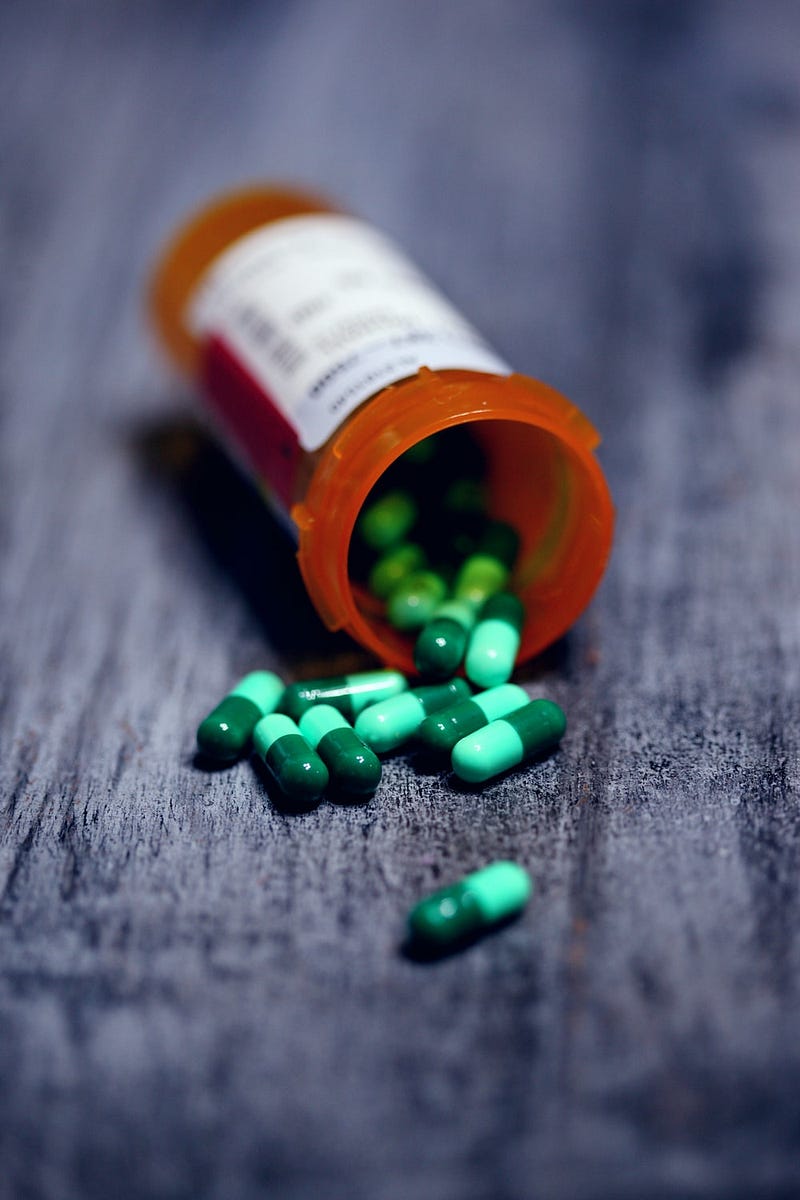
Life was ticking along just fine, and I knew what the solution was for this minor but painful annoyance. My new gynecologist treated me with antibiotics, just as the other doctor had. I loved those antibiotics! Within a day the pain was gone! But two months later I was back in his office with another UTI.
“You might want to see a urologist if you have more than two bladder infections a year,” he said. “You could try a low-dose antibiotic every time you have sex, or an antibiotic every day for about six months. Here are some ways you can avoid UTI’s.” He handed me a sheet of paper with the guidelines all women who have bladder infections are familiar with.
1. Drink plenty of fluids.
2. Drink cranberry juice.
3. Wipe from front to back.
4. Empty your bladder soon after intercourse.
5. Avoid irritating feminine products.
6. Don’t wear tight pants.
My fluid intake had never been great because I’m one of those people who seldom gets thirsty. Still, I made a concerted effort to remember to drink water. I tried cranberry juice, the unpalatable unsweetened variety, but that didn’t seem to help. Maybe I needed to down three gallons of the stuff, which would have been my entire calorie count for the day.
Slam Bam Hit the Toilet, Ma’am
Wiping from front to back was a no brainer. I mean, who doesn’t do that? Emptying my bladder after sex was a bit of an annoyance, as it interfered with the romantic mood, but it soon became a regular and natural part of love making. I didn’t jump right up, slam bam hit the toilet ma’am, but I tried to ease out of the post-coital embrace and head for the loo within ten minutes of the sex act.
As far as the clothing suggestions went, I like fitted, sexy jeans. What was I supposed to do, wear pioneer dresses and elastic waist polyester stretch pants? That might end my bladder problems by ending my sex life! I did make some clothing concessions, though. I ditched anything that felt too snug in the crotch and switched over to more breathable fabrics. Since I had read somewhere that you should always wear cotton underwear if you wanted to avoid UTI’s, my nylon panties went in the trash.
I tried all these self-help measures because I wasn’t ready to see a urologist and start taking antibiotics every time I had sex. Although I wasn’t ready to admit the UTI’s were chronic, my trips to the urgent care were growing more and more frequent. I was becoming so familiar with the symptoms that I could usually feel a UTI coming on before it hit. The burning during urination, frequent, intense urges to pee even though only a little came out, aching that gripped my lower back, cloudy urine, feeling extremely tired, sometimes becoming shaky and agitated; these symptoms meant it was once again time to go get my antibiotic fix.
We All Have Triggers. What Are Yours?
One time an urgent care doctor looked at my chart and said, “You seem to be having frequent urinary tract infections. What are your triggers?”
I hadn’t thought about triggers, but now I did. Traveling was a trigger. It seemed that every time I went on a trip I came down with a UTI. I knew airplane travel was dehydrating. They say for every hour you’re on a plane you’re supposed to drink a cup of water.
Can you imagine the time you’d spend in those bathroom cubes with that kind of a water drinking plan? Park me in the toilet after takeoff and pick me up on landing. But it wasn’t just the fact that airplane travel could lead to dehydration. Something about being out of my normal routine in a new place with different food was like those bladder demons screaming, “Bring on the UTI! She’s on a vacation so it’s time to make her miserable!”
Another common trigger was sweets. I noticed when I had too much sugar, I was more susceptible to UTI’s. Pigging out on Easter chocolates, birthday cake or Valentine candy could lead to a UTI the next day. Sometimes there was more of a cumulative effect. I could go two or three days consuming more sweets than usual, thinking I was off the hook this time, when the backache that signaled a UTI would make its unwanted appearance.
It’s Mostly About the Sex
Travel, sweets, dehydration were all triggers. But first and foremost, the trigger was sex. I began to see a pattern. Make love. Twenty- four to forty- eight hours later, come down with a UTI. It began to seem as regular as night following day.
I started researching UTI’s and discovered they’re responsible for 8 million doctor visits per year. Four out of five women who develop one will have another within 18 months. I was both relieved and dismayed to read this. Relieved, because maybe I wasn’t that abnormal. There were a lot of other women in the same lousy boat. Dismayed, because if it was such a common occurrence, I might not be able to prevent them.
The results of one study were especially discouraging. Women who suffer frequent infections have bladder cells designed to attract and hang onto the bacteria that causes them. Did this mean my bladder cells were partly to blame, hanging onto the bacteria that should be flushed out of my body?
I found out in my reading that there were other lifestyle factors that put women at extra risk of developing chronic UTI. Using a diaphragm during sex was a culprit for some women because diaphragms pushed against the urethra, making it harder to fully empty your bladder. If urine isn’t emptied, it’s more likely to be a breeding ground for bacteria. I didn’t use a diaphragm, nor did I use some of the other problem-causing products such as douches or spermicides.
I was wiping from front to back, guzzling water, cutting down on sweets, hopping up to use the toilet after sex, and still my visits to the urgent care were becoming more and more frequent. Septra, whether in pill form or as a spoonful of pink liquid, had grown to be a familiar part of my life. It was time to take the next step. These endless cycles were getting me down.
After a particularly bad infection that didn’t clear up until I had consumed a second round of antibiotics, I concluded it was time to see a urologist. What I didn’t realize was that I would flee two doctor’s offices before finding a urologist I could trust.
My journey to UTI freedom was just beginning, and I didn’t realize how many obstacles I would encounter on the road to health. But the good news is, UTI’s can be cured and prevented. There is a path to wellness.
Bebe Nicholson is a graduate of the UNC School of Journalism, former newspaper editor, flight attendant, nonprofit director, and publisher of 4o books. Bebe’s Bladder Book is available on Kindle Unlimited.
She and her partner split their time between South Carolina and Georgia.
You can subscribe to unlimited reading on Medium through her referral page by signing up here.