avatarPawening Esti

Free AI web copilot to create summaries, insights and extended knowledge, download it at here

1855

Abstract

few years and the second opinion states that oil will not run out because in the future various renewable technologies will emerge. Let’s start with the first opinion.</p><p id="b2f9"><b>The world’s supply of oil will run out</b></p> <figure id="5b54"> <div> <div> <img class="ratio" src="http://placehold.it/16x9"> <iframe class="" src="https://drive.google.com/viewerng/viewer?url=https%3A//earth.yale.edu/sites/default/files/files/Peebles_Senior_Essay.pdf&amp;embedded=true" allowfullscreen="" frameborder="0" height="780" width="600"> </div> </div> </figure></iframe></div></div></figure><p id="ad3e">In 1956 an American geophysicist, M. King Hubbert presented <a href="https://www.google.com/url?sa=t&amp;rct=j&amp;q=&amp;esrc=s&amp;source=web&amp;cd=&amp;ved=2ahUKEwiul5GWmIXvAhXl4HMBHcMkCsgQFjAKegQIExAD&amp;url=https%3A%2F%2Fearth.yale.edu%2Fsites%2Fdefault%2Ffiles%2Ffiles%2FPeebles_Senior_Essay.pdf&amp;usg=AOvVaw0IJUelaSuzm6VZ9I1rDOGo">the theory of 'peak oil'</a>. Every oil-producing country will experience a decline in oil production. However, before the decline, there will be peak oil, namely the peak of oil production. The United States has reached peak oil times in 1971 and since then oil production has continued to decline. Likewise, Indonesia, which experienced peak oil in 2008 and is predicted to experience a decline in oil production in the following years. Besides the reduction in oil pressure, the demand for oil for human needs has not decreased either. This underlies the opinion that the world’s supply of oil reserves will run out.</p><p id="148e"><b>The world's supply of oil will never run out.</b></p><p id="e08a">Some experts predict that in the future there will be tones of renewable technologies such as oil dril

Options

ling techniques that will reach even deeper places. This is also supported by the economic viewpoint that when oil production is increasingly limited, renewable technologies will also emerge that are more efficient in oil so that oil reserves will remain. In several countries in the world have switched to using alternative energy to replace petroleum. Norway, for example, has switched from petroleum to wind and solar power to meet its energy needs. Another example is that in recent years the development of electric cars has also grown so rapidly to replace conventional cars that use fuel oil. Meanwhile, Brazil is already using bioethanol as fuel for its country.</p><p id="a48f">Apart from these two opinions, it is not wrong for us to save on oil consumption. Besides being able to save oil reserves, this can also reduce global warming. So, what should we do if world oil is going to run out in the future?</p><p id="07df">1. Save electricity usage</p><p id="55ba">Because there are still many power plants that use diesel engines and use fuel oil, of course, the electricity we use influences saving world oil reserves.</p><p id="f0c4">2. Finding and supporting new alternative energy</p><p id="64e2">With the existence of other alternative energy that can replace fuel oil, the consumption of petroleum usage will decrease.</p><p id="dd24">3. Change the mindset</p><p id="49e8">In some developing countries, many people are competing to own private vehicles. This could threaten the dwindling world of oil reserves. The vehicles used to use oil as their fuel. Changing the mindset of people to switch to using public transportation is the solution. This can reduce the consumption of petroleum whose reserves are running low.</p><p id="9b97"><b>What do you think? Without oil, what will happen to humans in the future?</b></p></article></body>

Will The World’s Supply of Oil Run Out?

If so, what should we do?
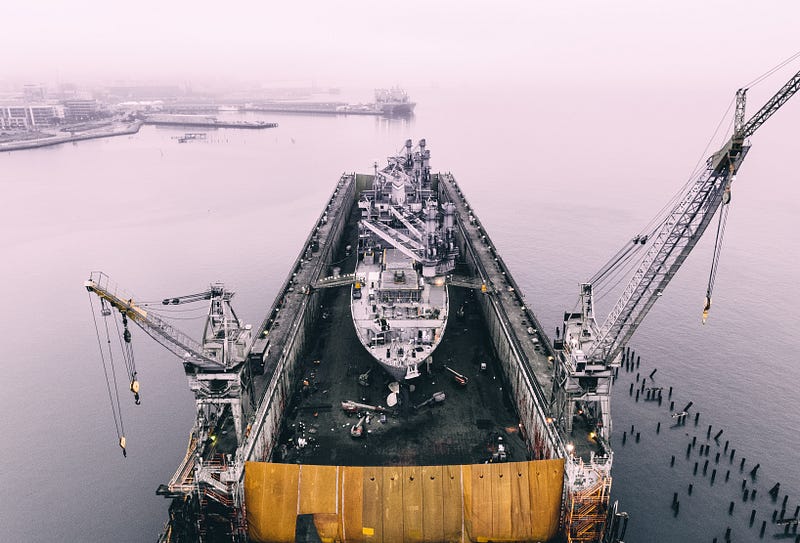
Photo by Ian Simmonds on Unsplash

Everyone must be familiar with the word “Oil”, which is a natural resource that is very important and will always be needed for human life. Oil is used for fuel, a raw material for the petrochemical industry to power sources to generate electricity. The Monthly Oil Market Report (MOMR) data released by OPEC in February 2021 shows that there will be an increase in world oil demand in 2021.

The data above shows that the forecast for oil demand in 2021 will increase by 5.79 million barrels/day (mb/d) or by 6.41%. This shows that the increasing oil demand to share human needs. This also means that oil reserves in the world will decline. But the question is: will the world’s supply of oil run out?

There are two opinions regarding the depletion of world oil. The first opinion states that world’s supply of oil will run out in the next few years and the second opinion states that oil will not run out because in the future various renewable technologies will emerge. Let’s start with the first opinion.

The world’s supply of oil will run out

In 1956 an American geophysicist, M. King Hubbert presented the theory of 'peak oil'. Every oil-producing country will experience a decline in oil production. However, before the decline, there will be peak oil, namely the peak of oil production. The United States has reached peak oil times in 1971 and since then oil production has continued to decline. Likewise, Indonesia, which experienced peak oil in 2008 and is predicted to experience a decline in oil production in the following years. Besides the reduction in oil pressure, the demand for oil for human needs has not decreased either. This underlies the opinion that the world’s supply of oil reserves will run out.

The world's supply of oil will never run out.

Some experts predict that in the future there will be tones of renewable technologies such as oil drilling techniques that will reach even deeper places. This is also supported by the economic viewpoint that when oil production is increasingly limited, renewable technologies will also emerge that are more efficient in oil so that oil reserves will remain. In several countries in the world have switched to using alternative energy to replace petroleum. Norway, for example, has switched from petroleum to wind and solar power to meet its energy needs. Another example is that in recent years the development of electric cars has also grown so rapidly to replace conventional cars that use fuel oil. Meanwhile, Brazil is already using bioethanol as fuel for its country.

Apart from these two opinions, it is not wrong for us to save on oil consumption. Besides being able to save oil reserves, this can also reduce global warming. So, what should we do if world oil is going to run out in the future?

1. Save electricity usage

Because there are still many power plants that use diesel engines and use fuel oil, of course, the electricity we use influences saving world oil reserves.

2. Finding and supporting new alternative energy

With the existence of other alternative energy that can replace fuel oil, the consumption of petroleum usage will decrease.

3. Change the mindset

In some developing countries, many people are competing to own private vehicles. This could threaten the dwindling world of oil reserves. The vehicles used to use oil as their fuel. Changing the mindset of people to switch to using public transportation is the solution. This can reduce the consumption of petroleum whose reserves are running low.

What do you think? Without oil, what will happen to humans in the future?

Oil
Petroleum
Bussiness
Engineering
Indonesia
Recommended from ReadMedium