
Will the US Ban TikTok? The Inside Scoop on America’s Controversial Move
Secrets, Spies, and Viral Videos — Unveiling the Drama Behind TikTok’s Battle with Washington
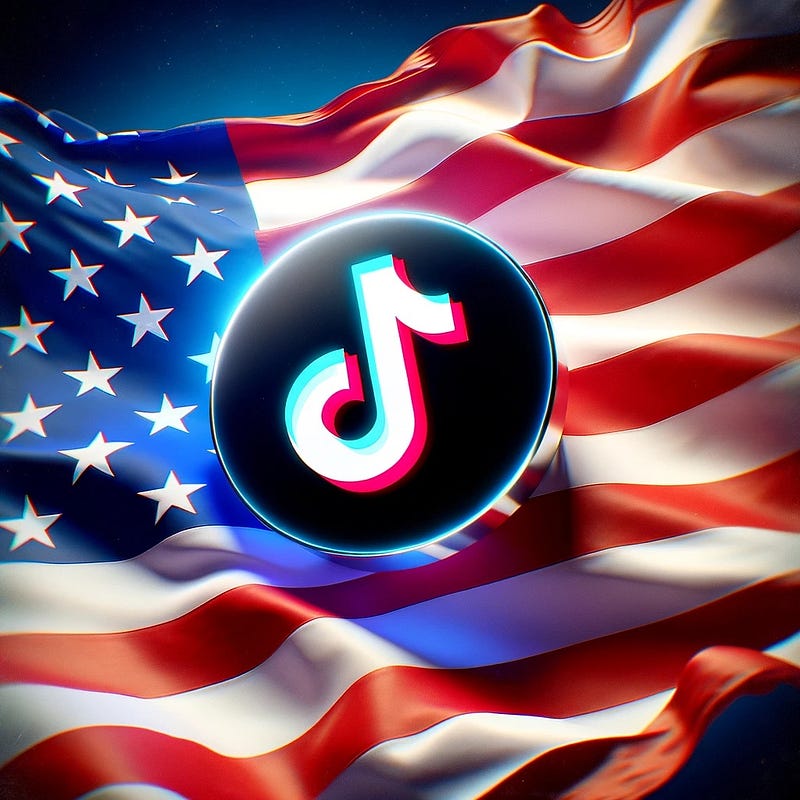
TikTok, a global sensation with its roots in China, finds itself in the eye of a geopolitical storm.
With around 170 million fans in the US alone, TikTok’s charm lies not just in its addictive short videos but in how it has redefined digital camaraderie.
Yet, beneath this digital playground lies a brewing battle that’s about more than just dance challenges and viral cats.
Why TikTok’s in the Hot Seat
Imagine if the books on your shelf could whisper secrets about you across the ocean, or if the TV in your living room reported your conversations.
That’s the kind of concern intelligence officials have about TikTok, fearing it could turn into a doorway for the Chinese government to peek into American lives or sway public opinion, especially given instances of misinformation in the 2022 elections. The crux of the issue? Laws in China that could compel TikTok’s parent company, ByteDance, to hand over user data if asked.
TikTok, however, maintains its stance as a neutral player, vowing never to share data with the Chinese government.
A Rare Moment of Agreement
In Washington’s often divided halls, the TikTok issue has become an unexpected point of consensus.
The proposed legislation to possibly ban TikTok has sailed through the House of Representatives, showcasing a unified front in the ‘tough on China’ narrative. Yet, as it makes its way to the Senate, the path is less clear, with the looming election adding a layer of complexity.
The White House is playing a nuanced game, aiming not for a ban but for an ownership change, hoping to keep American data on American soil.
Voices of Dissent
Enter the American Civil Liberties Union (ACLU), waving the flag for free speech, and a chorus of TikTok users who see this potential ban as a blow to their daily dose of creativity and connection.
This outcry highlights a delicate balance: safeguarding national security without stifling the vibrant exchange of ideas that platforms like TikTok facilitate.
Moreover, with the youth demographic at its core, any moves against TikTok risk alienating a significant voter base.
The Ripple Effects
In this unfolding drama of digital meets diplomacy, the saga of TikTok’s potential ban by the U.S. casts long shadows on the world stage, reminding us all how closely technology is intertwined with the pulse of global politics.
At the heart of this narrative is ByteDance, the Chinese powerhouse behind TikTok, standing defiantly in the face of adversity. Rather than bowing to pressure and considering the sale of TikTok as anything but an absolute last resort, ByteDance is gearing up for a legal showdown. This isn’t just about protecting a popular app; it’s a stand for the principle of global business freedom and the spirit of digital innovation that crosses borders. Meanwhile, China’s portrayal of the U.S. move as “bullying” echoes deeper than a simple defense of a homegrown tech giant. It signals a potential chill in the already frosty waters of international trade, hinting at a future where digital skirmishes could lead to real-world standoffs, affecting everything from economic cooperation to the exchange of goods across borders.
The suggestion that China might respond in kind to a TikTok ban reveals the fragile dance of diplomacy in our interconnected world. Here, actions targeting a single app ripple outwards, potentially disrupting global harmony and economic relations in ways we might not yet fully comprehend. This story transcends the realm of apps and enters the realm of human connections and international relations, highlighting the delicate interplay between national security interests and the global marketplace.
It’s a reminder that in our digitally connected era, the fate of an app can intertwine with the fates of nations, shaping not just how we share videos but how countries navigate the complex web of global diplomacy.
So, What’s Next?
As we watch the story of TikTok unfold, it’s clear we’re witnessing a pivotal moment that reaches far beyond the app itself.
It’s a story about how the digital world we’ve woven into the fabric of our lives is now at the heart of a much larger conversation – one about freedom, privacy, and the invisible lines that connect us all. This isn’t just about what happens to an app; it’s about what happens to us, the people who use it to express, connect, and create. Every like, share, and video is a thread in the tapestry of digital culture that TikTok has helped shape. Behind the scenes, lawmakers and tech giants are navigating a complex maze of decisions, each with the weight of potential historical significance. Their choices could redefine what digital ownership means, who holds the keys to our online lives, and how the delicate dance between privacy and security is choreographed.
But it’s not just their story – it’s ours too. As users, we’re more than just spectators; we’re participants in a global dialogue about the kind of digital world we want to live in. This moment invites us to reflect on the value of the spaces we inhabit online and to consider how they’re governed. It’s a reminder of the power of our collective voice and the importance of standing up for the principles we believe in.
As the TikTok tale continues to unfold, it’s a call to all of us to engage, to question, and to shape the future of the digital landscape. This isn’t just about an app; it’s about the future of our interconnected world and our place within it.
Thank you, for reading.
Leave your views/thoughts, I’d like to hear from you!