Will the Ricoh GRiii replace my Canon R6?
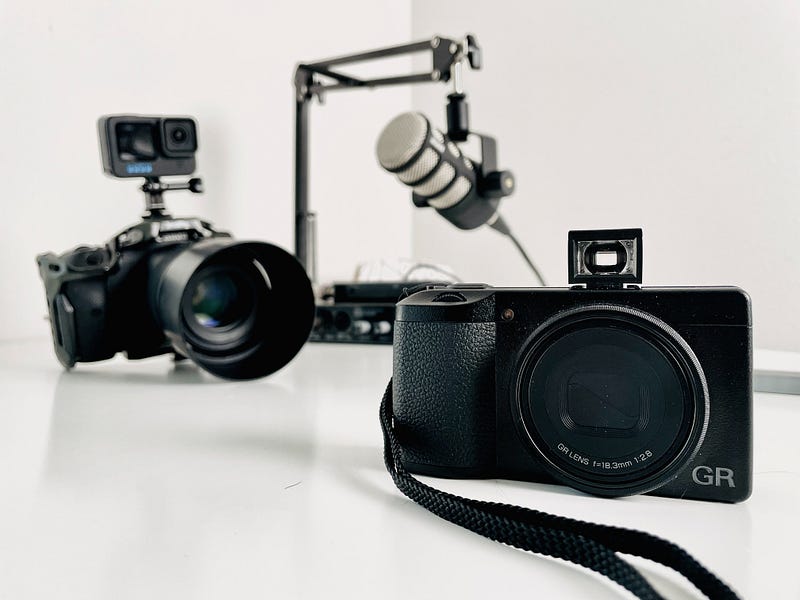
If you’re looking for the quick answer, the quick answer is BOTH yes and no.
Now that we have the annoying clickbaity title and answer out of the way. The more thoughtful answer and review can start. Cool? Cool.
The Ricoh GRiii and Canon R6 are obviously (hopefully to the intended reader) not comparable cameras. So the question is a little absurd from the get-go. However, I now have three (3) high-resolution mirrorless cameras and a real world attention span that only really allows me to use two at a time. Something has to give.
If you have any questions feel free to leave a comment or direct message me on IG @elijahrha or @foxfotoco , I’ll happily respond to anyone on either!
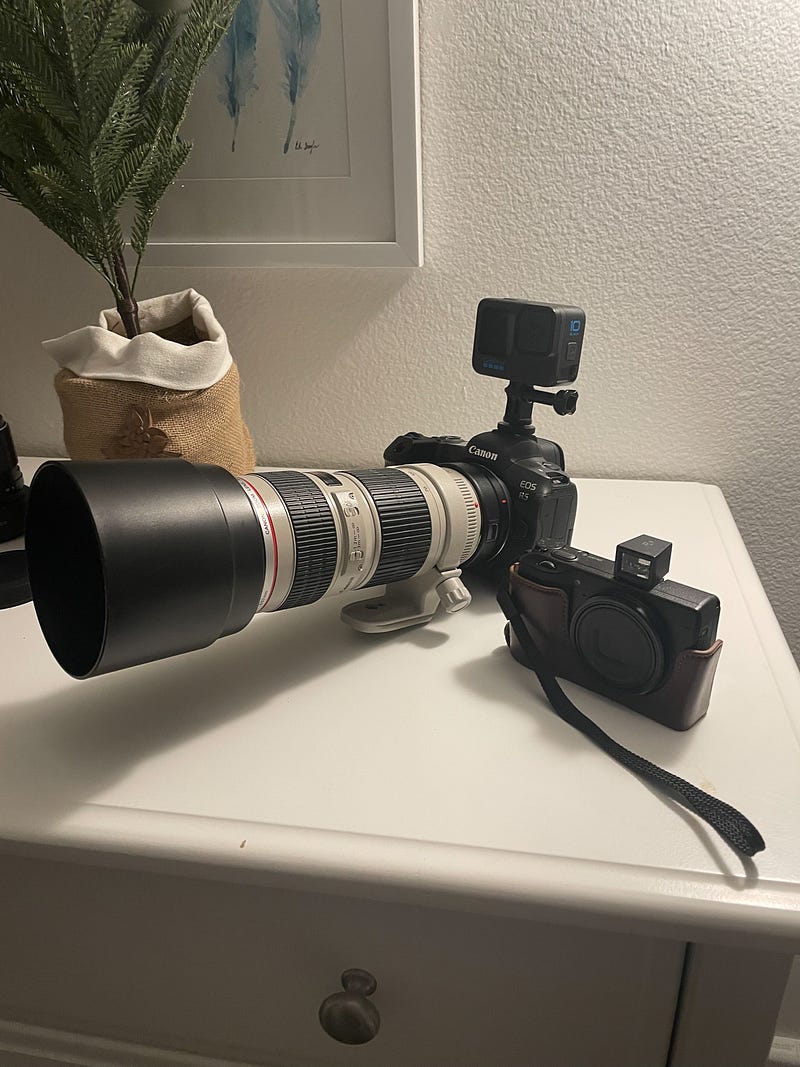
Let’s back up a second though and do the briefest of breakdowns on what my Canon R6, Canon R5, and Ricoh GRiii (listed in order of purchase) are TO ME.
Canon R6: 20 MPX Full Frame RF Mount
Canon R5: 45 MPX Full Frame RF Mount
Ricoh GRiii: 24 MPX APSC Fixed Lens
The Canon R6 was my segway away from Sony mirrorless cameras (you can read my full argument on why I switched here). This was not my first Canon camera though as I had started photography with the Canon T6 (that’s a lie, I “started” with a Nikon Coolpix, that I still have). I used the Canon R6 to see if I still wanted to get invested in the Canon ecosystem, and to fix the workflow problems I had with Sony. I opted to go with somewhat “affordable” lenses like the EF 70–200mm L F/4 and the RF 24–105 L F/4 due to the R6’s smaller sensor and praised low light performance. Once I started shooting the R6 I quickly sold the Sony A7iii and subsequently bought a Canon R5.
The Canon R5 has been a joy to shoot. The Larger files have been a bit of a drag (time) to deal with, but are almost always worth it. The lowlight ‘superiority” of the R6 to the R5 is noticeable, but only if you’re trying to notice it. I had briefly started running into a habit of taking the R6 out as my walkabout camera, and the R5 for planned shoots, just for the sake of file size / workflow.
As I started planning my upcoming trips through Europe, I discovered a Youtuber by the name of TeemusPhoto who shot a lot of videos on the GRiii as a street photography camera. I was sold on it almost instantly. In fact, my review of my vintage Soligor 28mm came as a byproduct of ordering the Ricoh and wanting to practice with the 28mm focal length.
I don’t think this article will serve as my specific review of the Ricoh GRiii, but I can confidently say I love it. I love it so much that my current travel setup (visiting family and friends in Washington DC and Tennessee) is the Canon R5 + 85mm F2 and the Ricoh GRiii 28mm F2.8. The 85mm and 28mm combo has been nice for almost every situation, though at times I have wished I brought the 70–200mm at the long end. The 28mm for wide and slice-of-life stuff, however, has been supreme.

I have specifically loved the ease of use with the Ricoh. The camera has its own internal memory that is capable of storing about 30–40 jpeg+raw photos, so I have yet to bother with an SD card. Adidtioanlly the Ricoh app, while barebones, works simply to auto-trasnfer the jpegs to my phone as I shoot. This makes those slice-of-life photos so much easier to access on the go, and makes YOU not second guess if editing that photo later is going to be worth the effort. I shoot with my U1,U2, and U3 dial presets almost exclusively which simulate a different retro film effect on each setting in jpeg, while at the same time recoridng the unmolested raw file as well.
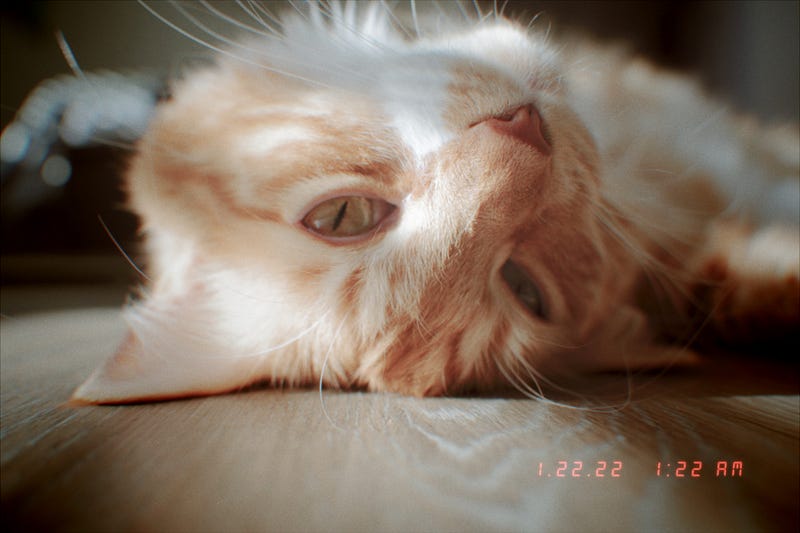
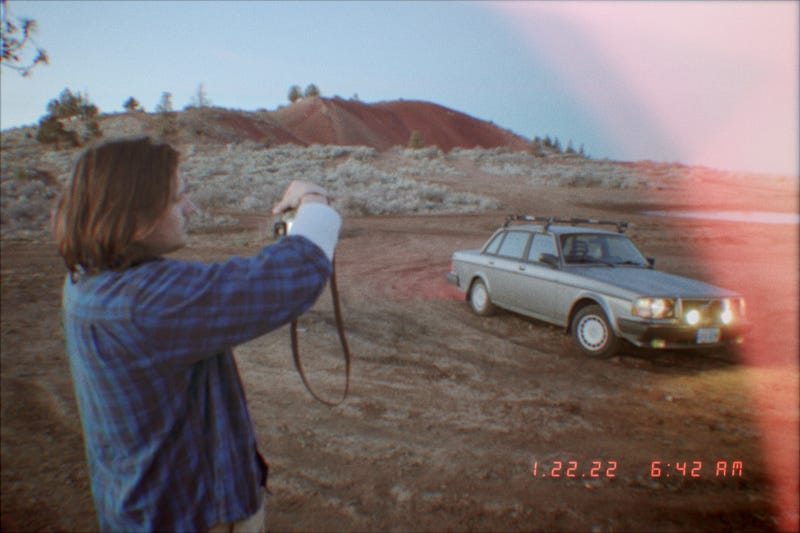
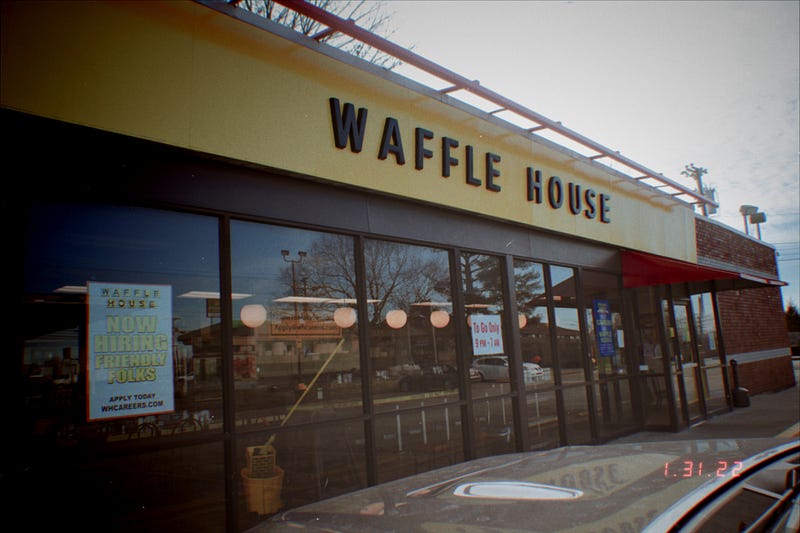
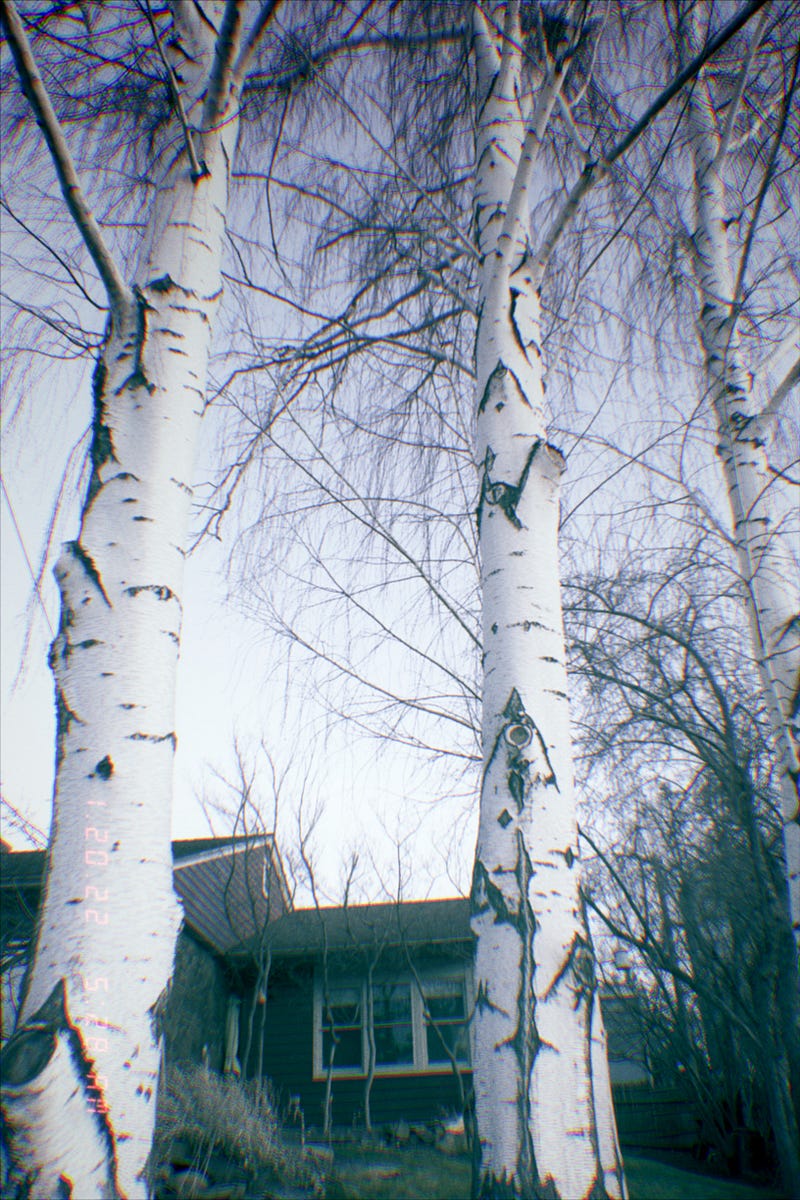
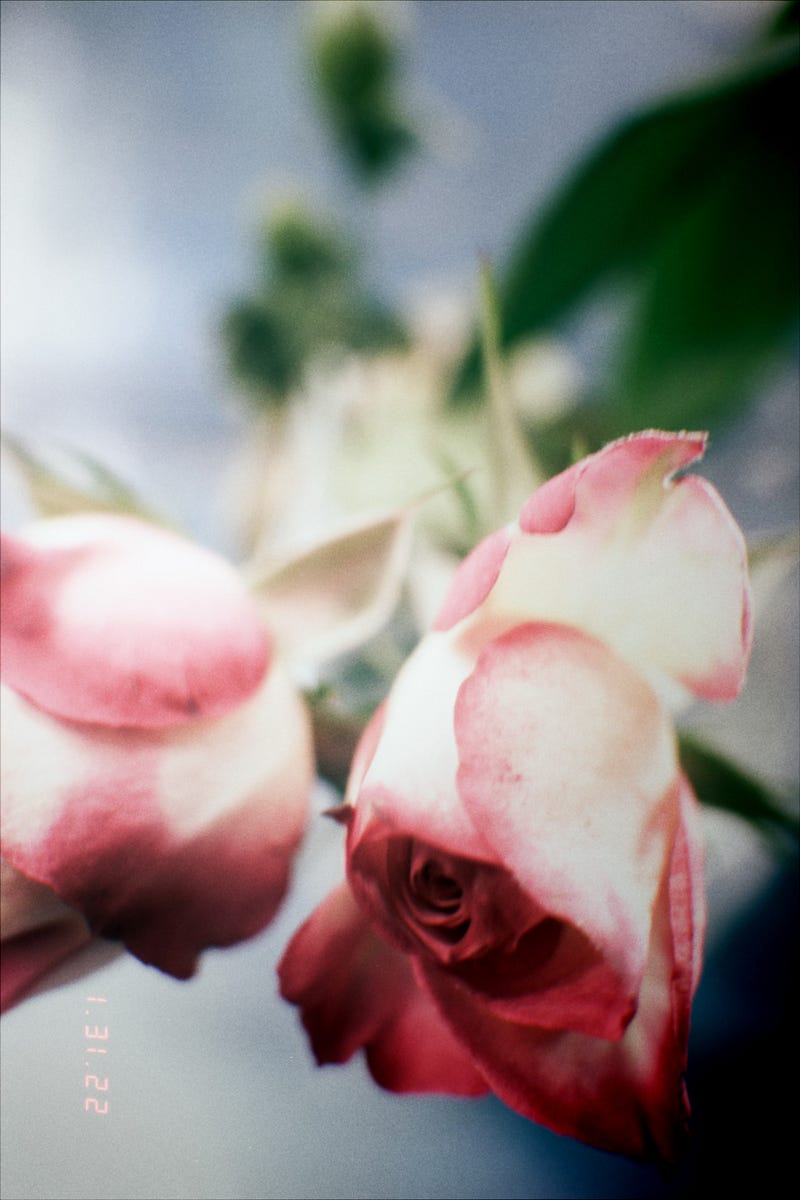
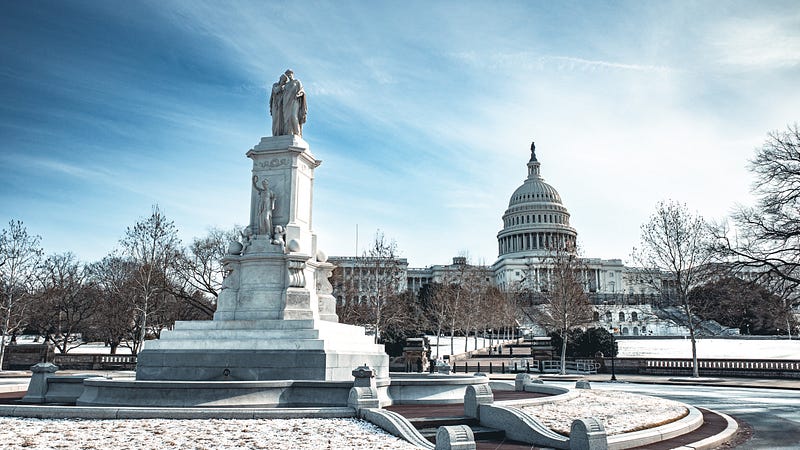
I’ll post an example of a side by side of the jpeg film simulation and the edited raw of the same photo below:
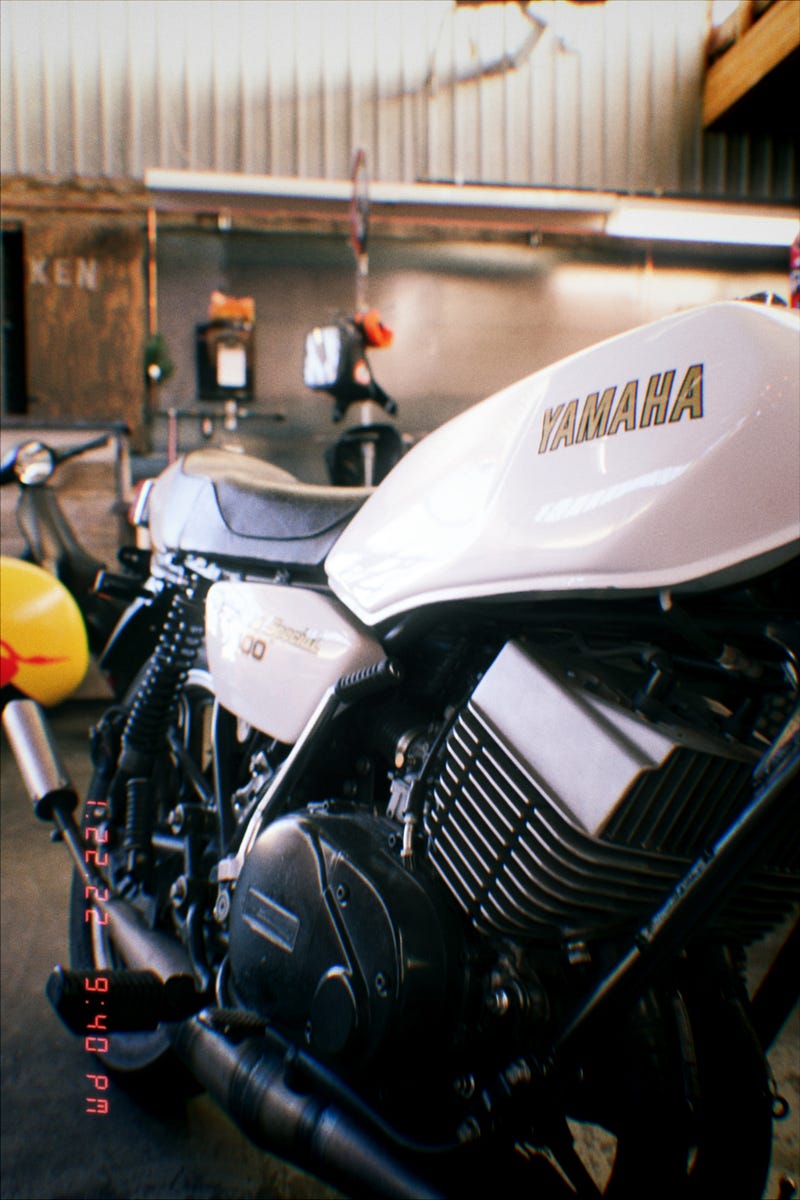
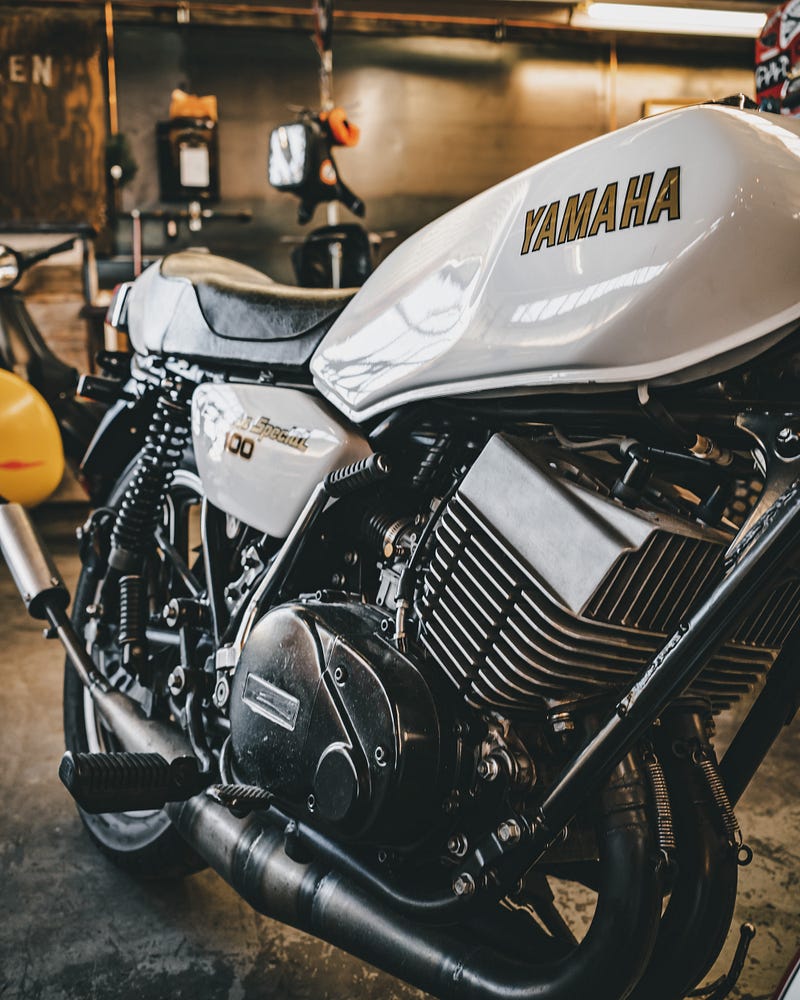
At times I’ll find myself turning the rear screen off, and shooting through the hotshoe attached 28mm optical viewfinder/scope just to get composition and trust the camera. It doesn’t always work, but it does often enough to make the “fiddle free” shooting expereince simply lovely.
This isn’t to say I don’t love my Canon R5, obviously I brought it with me. It’s just that they provide different things. I think, that the Ricoh provides a better shooting experience on a casual walk, where as the Canon provides the better editing expereince and photo quality (we should freaking hope so at least).
So what about the R6? Well, the R6 is great too, but it now fits a more niche role than it did when it was breifly my only camera. The R6 is my sleeper camera, my low light master, and the “disposable professional camera” with its $2500 pricetag (compared to the $3800 R5). I will take all three to Europe, and if my conflict zone journalism allows me the foresight in the moment, the R6 will be the camera I take towards the gunfire and explosions. The R5 will be the one I use a longer zoom on (for post-cropping) and for the pre/post battle documentation. I can’t justify selling the R6 just because the Ricoh is easier to use (and pocket, it’s smalelr than my phone). If I were to sell a camera it would be the Ricoh everytime, but I would MISS that little fella in a way that I never would with the R6.
Asking me if the Ricoh will replace my R6 is like asking a Porsche collector which of their 911s they prefer. Taking this random Porsche anlaogy further, the Ricoh isn’t a 911, its a 944, and you can afford to have some risky fun with it. It doesn’t try to be a powerhouse, and it isn’t going to cost you an arm and a leg to replace it if you slide off the road at 50 mph. However, as time goes on and more people discover the Ricoh GRiii (and the Porsche 944) my little secret will be a little less secret, but no less special.
I’d still drive the crap out of a 911 though, and I will abuse the crap out of my R6 in the dust, dirt, and snow that is my rough and tumble life in Oregon (and occasionally the Middle East / Eastern Europe) as my backup stills and dedicated video camera.
Do you have additional tips or experiences to share? Feel free to comment below!
If you enjoyed these insights, follow us for more photography inspiration and don’t forget to give us a clap or two — it’s completely free!
Connect with us: