
Will the Apple Vision Pro finally make virtual reality a reality?
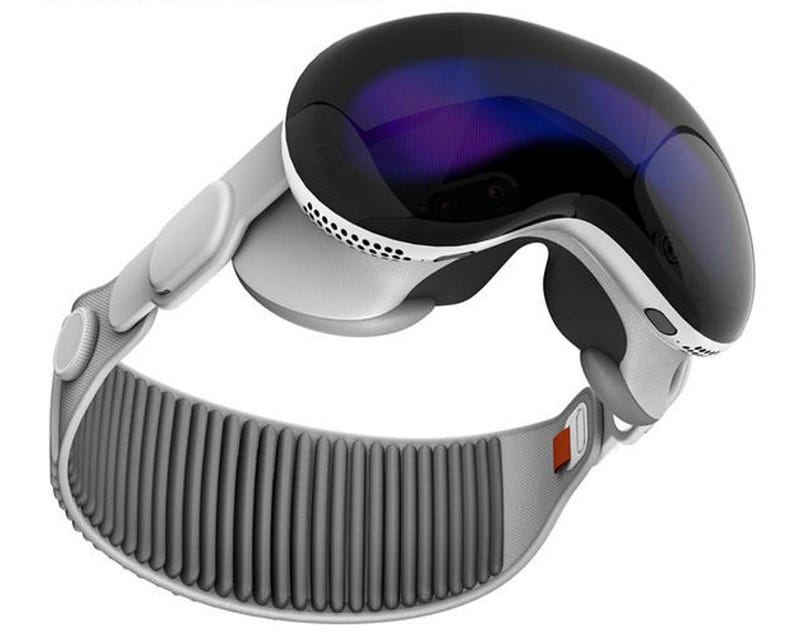
With just over a week to go before the launch of Apple Vision Pro on February 2, the jury is out on the market’s reception of a device that could change how we interact with computers forever… or not.
With a price tag of $3,500 plus accessories such as a travel case, batteries or additional fastening straps at two hundred dollars a go, the Vision Pro is a risky proposition to say the least. But the specifications are impressive: 1TB of storage, an M2 processor with eight cores, a host of sensors and 16GB of RAM; that said, it’s pretty hefty at its maximum weight of almost 1.5 pounds, and could cause fatigue or neck pain.
And if you are prepared to take the plunge, getting your hands on one won’t be easy: an appointment at your local Apple Store is required, which takes at least half an hour between measurements, scanning prescription glasses for those who use them, and a long demo of how to use it from employees specially trained for this purpose. In addition, several of what some saw as killer apps to encourage use, such as Netflix, YouTube and Spotify have announced that they will not offer applications for the device; users who want to consume their content will have to do so through the browser.
Nevertheless, assessments from those lucky enough to have given one a thorough test drive have been largely positive. Apple is highlighting the Vision Pro’s professional potential, which can be used for a range of training needs, as well as changes to ways of working resulting from the possibility of using the new interface; there is also much talk of spatial computing as a revolutionary new platform whose implications are yet to be fully understood.
The launch will only be for the US market: both device activation and purchases require an Apple ID with the region set to the US, the fitting only supports prescriptions from US ophthalmologists, and the device itself is only being shipped to that market.
The company has increased production and speeded up its supply chain in order to cope with as yet unknown demand for a device that despite attempts by companies like Meta or others, has failed to capture the public’s imagination.
Will Apple’s sales figures meet the company’s expectations, and will it once again reinvent and redefine a category and a product with one of its highest price tags?
UPDATE (01/22/2024): According to the usually well informed analyst Ming Chi Kuo, the first pre-order weekend for the Apple Vision Pro has resulted in sales between 160,000 and 180,000 units with a fast drop after the first 48 hours, consistent with a a very niche product for heavy users and hardcore fans. The question now is how long will it take for the Apple Vision Pro to reach one million orders, a number that took the iPhone 74 days, the iPad 28 days, and the Apple Watch just one day.
(En español, aquí)


