
Will Oat Milk Give You Too Much Estrogen?
There are estrogen compounds in it, but that’s ignoring a vital part of the story

Before plant-based meat options became more commonplace in stores, there were plenty of options for faux milks. For those who either are lactose intolerant, or simply want to make choices to cause less suffering for cows, there are other milk options.
Almond milk, soy milk, oat milk… it turns out that a lot of plant products can be made into a substance that is at least somewhat similar to milk.
But not everyone is on board with plant-based milks. One commonly expressed concern is that these plant milks are rumored to contain estrogen compounds, which could have hormonal changes in the drinker.
I get it, fellas. We all want to feel confident in our masculinity. And there are fears that taking in estrogen may lead to hormone imbalances, challenges with muscle building, fertility, and other concerns.
But do plant-based milks really contain estrogen? And does consuming that estrogen provoke any effects in the drinker?
Let’s get a deep, long drink… of knowledge.
Estrogen is a class, not a compound
When we usually talk about estrogen, we’re usually, actually talking about a specific compound called estradiol. Estradiol is the predominant estrogen hormone that is expressed in women during puberty, and it’s highest both in terms of overall level, and level of activity that it drives.
But there are other types of estrogen. These include estrone, estriol, and estetrol, all compounds with slightly different molecular structures — and different effects.
In pregnancy, estriol is the predominant form of estrogen, and after menopause, estrone takes over. The fourth estrogen type found in people, estetrol, is only produced during pregnancy.
Estrogens aren’t just in human women. They’re also in men, although at lower concentrations than in women. Estrogens are synthesized in all vertebrates, as well as some insects. And going even further than that, there are phytoestrogens, estrogen-like compounds that are present in plants.
Phytoestrogens are present at very high levels in soy, although they’re in many plants that we eat. That includes oats, which is why there are often concerns about oat milk or soy milk.
These phytoestrogens have been shown to be endocrine disruptors, meaning that they interact with the same receptors, or sensors, that are normally interacting with estrogen.
But what effects do they have?
Binding to receptor does not mean it activates
There are two opposing terms to know when talking about biology molecules binding to and activating receptors: agonist and antagonist.

Agonists are molecules that will bind to a receptor and activate its effect(s). Think of the receptor as a fingerprint scanner on a phone. An agonist is the proper fingerprint; it unlocks the phone.
An antagonist, on the other hand, binds to the receptor and blocks it from activating. An antagonist is the improper fingerprint; it doesn’t unlock the phone, and also blocks it from unlocking.
Estradiol, the primary estrogen compound that human women produce, is usually an agonist. It binds to various receptors in the human body and activates them.
But phytoestrogens — the estrogen compounds in plants — are sometimes different. Some are agonists, but others are antagonists; these will bind to estrogen receptors, but not activate them.
Interestingly, these phytoestrogen compounds are higher in the raw plant than in extracted products. This means that you’ll get less phytoestrogen in soy milk, flour, oil, or other extracted products than you would if you ate straight-up soybeans.
But does the dosage even matter? If you eat a bunch of phytoestrogen-containing products, do you see any effects mimicking the human estrogen hormone?
As long as you’re not eating 10x the level of normal people, you’re fine
Fortunately, pretty much everyone eats, and most of us traditionally eat different things. Some of us naturally eat a lot of phytoestrogens, while others have much lower levels in their diet.
Consider Japan, for example. The average Japanese male eats approximately 50 milligrams per day of phytoestrogens, mainly from soy consumption, while the average intake in the United States or Europe is much lower, less than 3 milligrams per day.
In a meta-analysis examining 41 studies involving dietary supplementation with phytoestrogen compounds, across 1,753 men, there were no effects observed from the consumption of additional phytoestrogen. The aggregate results of these studies showed no hormone change; there was neither decreases in testosterone, nor increases in estrogen levels, based upon most supplementation cases.
There were some minor shifts in total testosterone and free testosterone levels seen in a few studies that had very high levels of phytoestrogen supplementation, >100 mg/day, but the shifts were approximately 5%, and they quickly returned to baseline levels when the supplementation ceased. So there aren’t long-term effects of consuming high amounts of soy.
(By the way, how much soy is “a lot”? A half cup of tofu, a cup of soy milk, or an ounce of soy nuts each provide about 25 mg of phytoestrogens. So to get over 100 mg/day, you’d need to drink a full quart of soy milk, each day.)
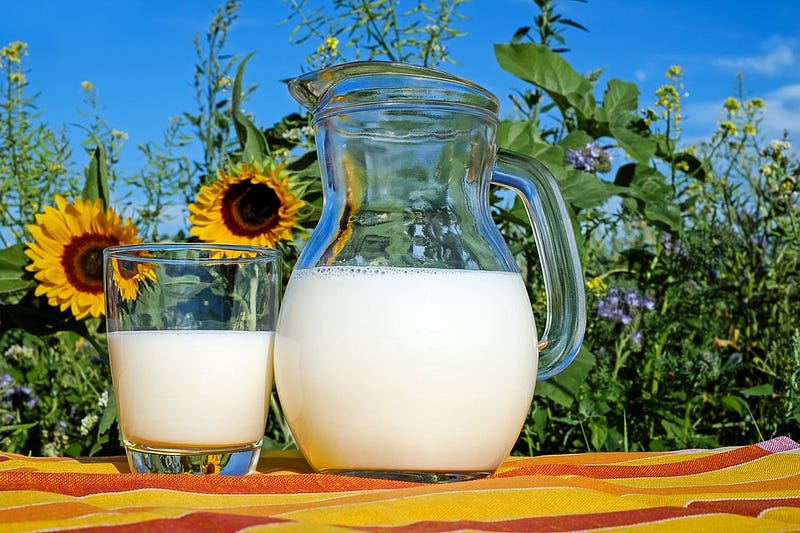
There have been individual reports of men who experienced hypogonadism (shrinking testes), but they have been consuming greater than 300 mg/day of phytoestrogen compounds. That requires drinking nearly a gallon of soy milk, each day, for multiple days.
What about the benefits?
So we know that you likely aren’t going to eat enough phytoestrogen compounds to cause issues, testosterone reduction, or semen quality reduction. Are there upsides?
There sure are, rhetorical question! Soy protein:
- Helps lower LDL, the “bad” cholesterol that clogs arteries
- Provides plant protein, which can help with building muscle
- Is associated with a lower risk of prostate cancer
Various other benefits have also been linked at some level to phytoestrogen consumption, including “a lowered risk of menopausal symptoms like hot flushes and osteoporosis, lowered risks of cardiovascular disease, obesity, metabolic syndrome and type 2 diabetes, brain function disorders, breast cancer, prostate cancer, bowel cancer and other cancers.”
In summary: soy milk is healthy and won’t smash your sperm
Yes, soy milk contains estrogen compounds — but not all estrogen is human estrogen. Estrogen is a class of molecules, and the plant estrogens, or phytoestrogens, are different from the estrogen molecules that are a strong female hormone.
Phytoestrogens do not strongly activate our own estrogen receptors, the way that our hormones do. And studies that have looked at high phytoestrogen consumption in humans have not shown that the supplementation leads to boosted estrogen or lowered testosterone levels. You can drink multiple cups of oat milk per day without exceeding any limit — in fact, you’ll probably not surpass the average Japanese phytoestrogen diet of 50 mg/day.
Phytoestrogens are good for us, soy is healthy, and you can still go to the gym and pack on the pounds. Plus, fewer pregnant cows. Seems like a tasty solution!
What are your thoughts on plant-based milks? Have you tried them?
Enjoyed the article? Share it!
Additionally, consider becoming a paid Medium member: read unlimited articles for just $5 per month, cancel anytime. Use my referral link and I get a portion of your dues: https://medium.com/@westwise/membership


