
Will-o’-the-Wisp
Drifting like a soft candle light
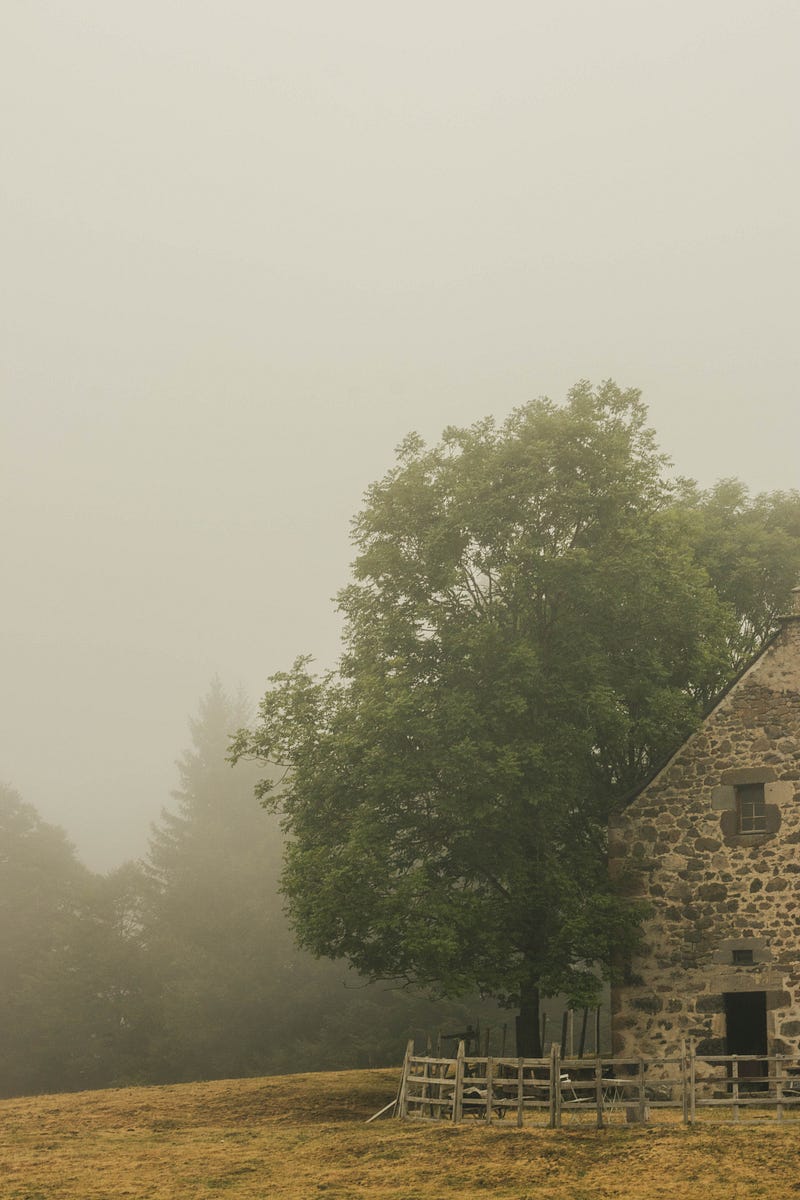
A pale blue light seen in the night Through my window pale and glowing Maybe an illusion or misleading delusion Telling me something that I’m not knowing.
More likely it’s the will-o’-the-wisp Trying to pull the wool over my eyes Leading me down the garden path Then dispersing into the skies.
Seen and found on the ground Drifting like a soft candle light Hovering in blue phosphorescence Opening black curtains of the night.
The mysterious lights lead travellers Away from trodden tracks Into the jaws of treacherous marshes To sink ‘tween reed grasses and cracks.
A lantern held by a dusky little figure A dangerous and malevolent gnome Leading the unwary traveler When wandering far from home.
Is the will-o’-the wisp a dead spirit Who cannot enter heaven or hell Malignantly wandering the earth Where to no one can tell.
Some call him Jack-a-lantern And in Norfolk will-o’-the-wikes But best known as the will-o’-the-wisp Or some blacksmith o’ his likes.
Who ever he is or where ever he’s been He visits my garden on stormy nights The hairs rise on the nape of the neck When will gives me a dose of the frights.
©
David Rudder 9th February 2021
Thanks for reading.
Will-o’-the-wisp
From Wikipedia,
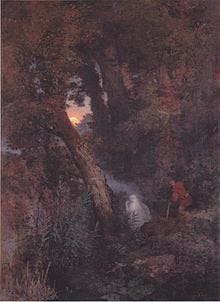
An 1882 oil painting of a will-o’-the-wisp by Arnold Böcklin.
In folklore, a will-o’-the-wisp, will-o’-wisp or ignis fatuus (Latin for ‘giddy flame’,[1] plural ignes fatui), is an atmospheric ghost light seen by travelers at night, especially over bogs, swamps or marshes. The phenomenon is known in English folk belief, English folklore and much of European folklore by a variety of names, including jack-o’-lantern, friar’s lantern, hinkypunk and hobby lantern and is said to mislead travelers by resembling a flickering lamp or lantern.[2] In literature, will-o’-the-wisp metaphorically refers to a hope or goal that leads one on but is impossible to reach or something one finds sinister and confounding.[3]
Will-o’-the-wisp appears in folk tales and traditional legends of numerous countries and cultures; notable will-o’-the-wisp include St. Louis Light in Saskatchewan, The Spooklight in Southwestern Missouri, Marfa lights of Texas, the Naga fireballs on the Mekong in Thailand, the Paulding Light in Upper Peninsula of Michigan and the Hessdalen light in Norway. While urban legends, folklore and superstition typically attribute will-o’-the-wisps to ghosts, fairies or elemental spirits, modern science explains them as natural phenomena such as bioluminescence or chemiluminescence, caused by the oxidation of phosphine (PH3), diphosphane (P2H4) and methane (CH4) produced by organic decay.


