
Will AI Steal Your Job?
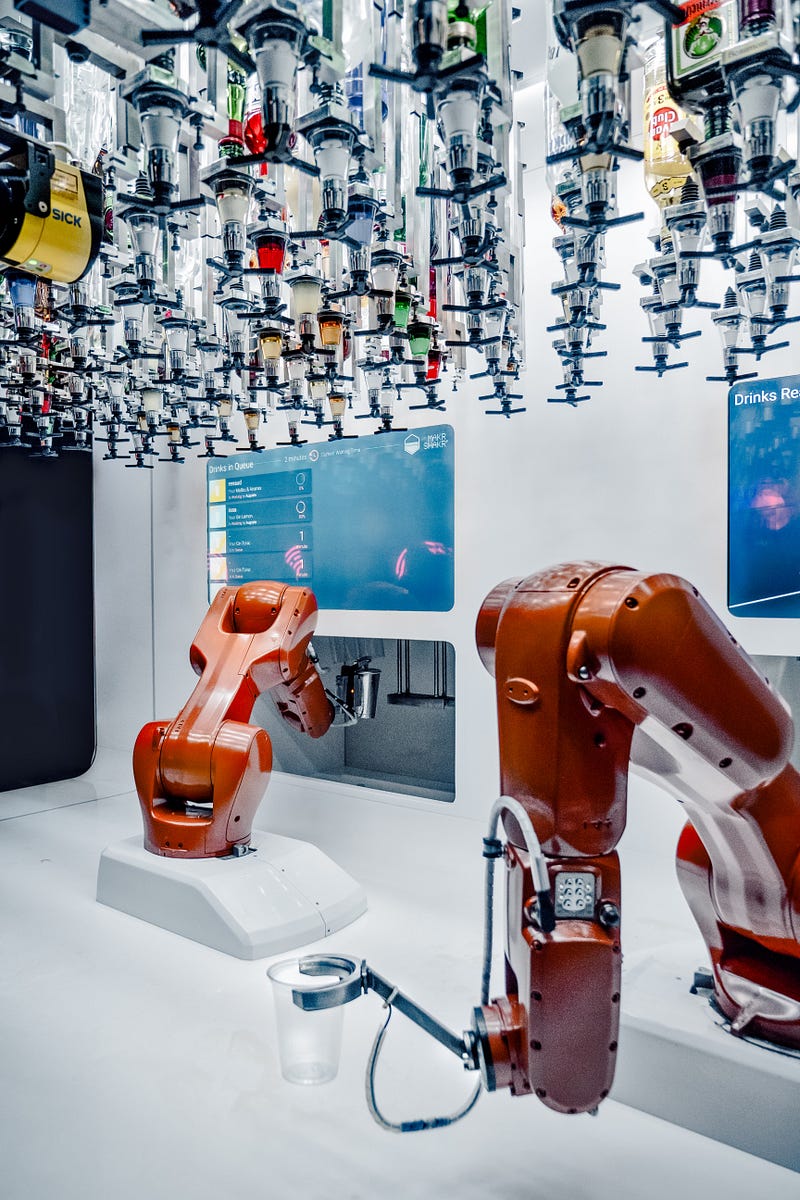
When we think of AI taking over the workforce, most of us think of factory-type jobs. However, the growth and innovation of technology will lead to many career paths being eliminated. More and more of us will need to reinvent our lives.
I was having a conversation recently with my brother who has been a career research scientist, and he is looking for a new position. He has struggled with the changes in his industry as he looks for opportunities.
“Jennifer,” he said, “the industry has changed overnight. Most of the jobs are now tech-centric. People no longer do the tasks we were trained to do. Even the thinking and analyzing, computers are doing it for us.”
As I explore LinkedIn, myself, I find many business jobs and career paths related to my experience as an educator are also tech-centric. All of them have technological experience required that are new to me. Both technological platforms and methodologies are listed as required knowledge. If I were to apply to one of these positions, how would I leverage my teaching skills? How would I transition without significant training?
I see this in the education world now too. As we slog through yet another year in the pandemic, more and more companies are taking the opportunity to create online schools and courses for families at home. While schools are trying to “go back to normal”, the rest of the world is realizing we are in a new “normal”, and companies are creating K-12 schools even in the metaverse already.
Educators’ roles will change drastically. If students no longer learn in physical classrooms, how many teachers will be needed to supervise? What about other staff, such as custodians and food service workers, will their roles be eliminated if no one “attends” school? Sure, parents are demanding in-person learning right now, but will they demand the option in five years when more options are available?
What about your role? Really, think about it. Artificial intelligence is moving quickly. Computers are learning to do everything. We have invented self-driving cars. Will there be a need to learn how to drive in the future? Will a teenager need to learn to take the wheel and parallel park, or will cars be programmed to complete the task for him? Will we program cars and trucks to drive themselves across the country to deliver goods? What would happen to FedEx, USPS, and UPS? Would these companies survive, or would they just purchase the cars and layoff the drivers? Will cities create systems for self-driving cars? Will even Uber be eliminated?
Amazon has already created a house robot for the small price of $1000 that will monitor your home. Meet Astro here: Amazon Astro If a robot can monitor your home, what is the need for security companies? In recent years, we have already seen advanced self security systems arise, like SimpliSafe, that offer monitoring for much more realistic prices.
Astro is more sophisticated and can also interact with humans to a degree. What will Astro be able to do in five years? Will Astro be able to hand deliver your medications at a certain time of day? Will Astro be able to monitor your blood pressure, insulin, and heart rate to care for those who are sick? We already have a watch that does some of these tasks. And, medical companies are creating machines that can diagnose on their own. Will Astro be able to assess your grocery needs by keeping stock of your refrigerator items? Will Astro then be able to directly order them directly from Amazon?
What happens to caretakers? What happens to grocery stores and workers? Grocery stores already have self-checkout lanes available. My grocery store also has a wandering robot that keeps track of spills and items dropped in aisles. When there is an issue, he stops and sends an alarm for someone to come and clean it up. In a few years, will he have the capability to manage the issue without a human? Will AI robots be created to interact with you at the grocery store and check out your produce without a human in sight? What about Starbucks? Will they design AI to take your specific order and address you by name?
Disney created a robot Spiderman for their Marvel theme park experience. He performs acrobatics like Spiderman in the movies that are too dangerous for humans. You can see how he was created here from an interview with the engineers here: Robot Spiderman What does this mean for human stunt people or actors? Will we move to strictly robotic experiences to limit the dangers of movie stunts? Will it eventually cost less money to hire a robot actor than a human actor? Will theme parks hire robots to interact with visitors instead of people? If the technology is there, and doing so eliminates costs, why not?
What about jobs that require writing? Grammarly already has a sophisticated system designed to help writers edit. Will that expand to help create writing pieces? Google and other apps already have voice recognition to transfer your voice into writing. Will that expand in understanding to automatically adjust the grammar and format?
While writing my student report card comments this week, I used a Google document for my draft. I often reiterate phrases and ideas while crafting my comments for students. Google recognized what I was attempting to say based on previous content and offered phrases while I was writing. All I had to do was click “tab” and several words were placed in the comment for me. The tool saved me a significant amount of time. How will this be improved in the future? Whose jobs will be impacted? Will editors’ jobs change?
More and more people are leaving their jobs for a better work-life balance. Will their roles be replaced? Or will companies find ways to integrate technology to eliminate jobs?
Make no mistake, change is already here. More people than we imagined will be impacted by the expansion of artificial intelligence.
What about your role? Can you imagine what might change?
Maybe it’s time to start reflecting.


