
Wildlife Heroes Provide a Sanctuary for Disabled Animals
Meet the three-legged hedgehog, and the elderly badger with cataracts and bad teeth!
When staff at Tiggywinkles Wildlife Hospital in Buckinghamshire, England, accepted a lorryload of animals from a sanctuary that was closing, the sad dark eyes looking out of the lorry, reassured the team that they’d done the right thing in agreeing to take them.
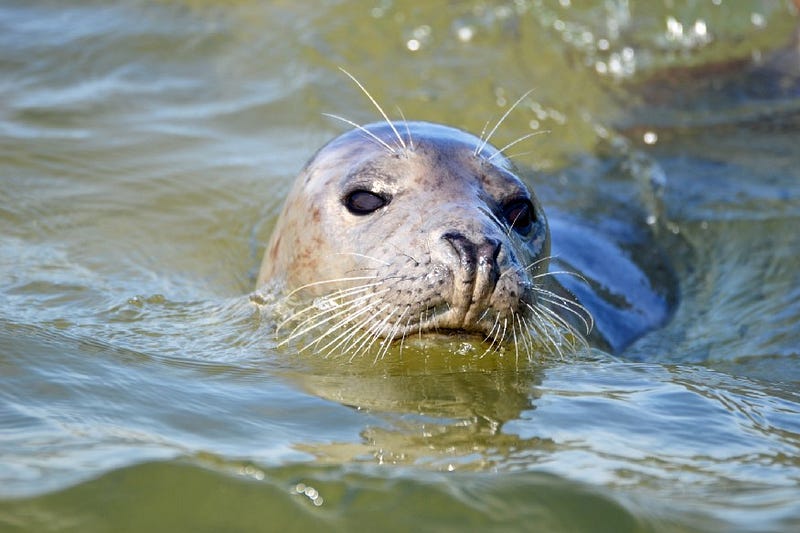
One of those delivered was a seal who chewed everything and could be quite disagreeable. As time went by, the animals recovered and were released into the wild. The disagreeable seal joined wild seals in the ocean, despite a degree of uncertainty about how he would adapt to life back in the wild. The team was delighted to see the new arrival swimming happily with his new friends.
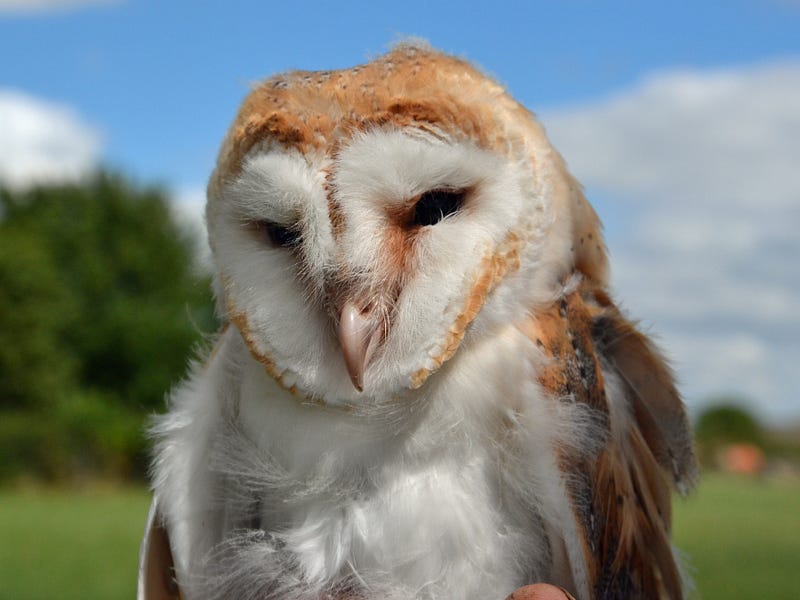
Then there was a barn owl who had been hit by a car. He was nursed back to health too. No internal organs had been hurt and Les, the founder of the hospital, was relieved that the bird’s digestion had not been damaged. After his release, the owl returned to the sanctuary daily for food. He became a regular attraction for visitors to the centre, as well as a favourite among the staff.
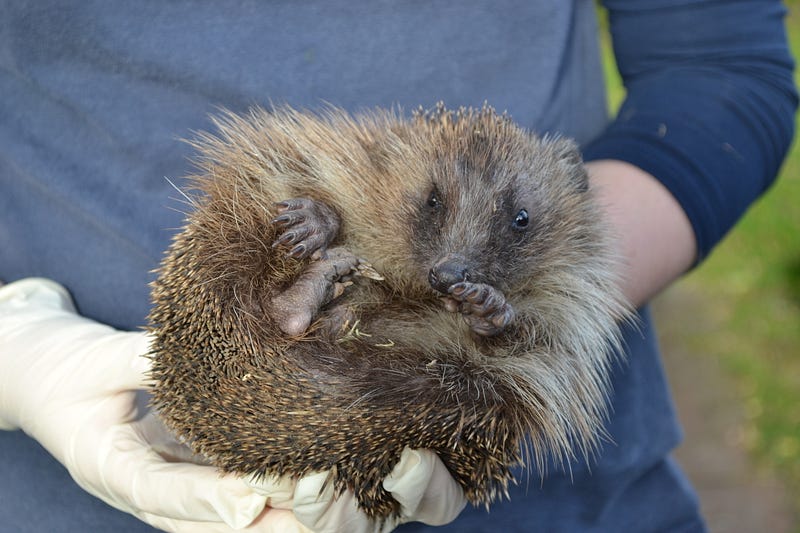
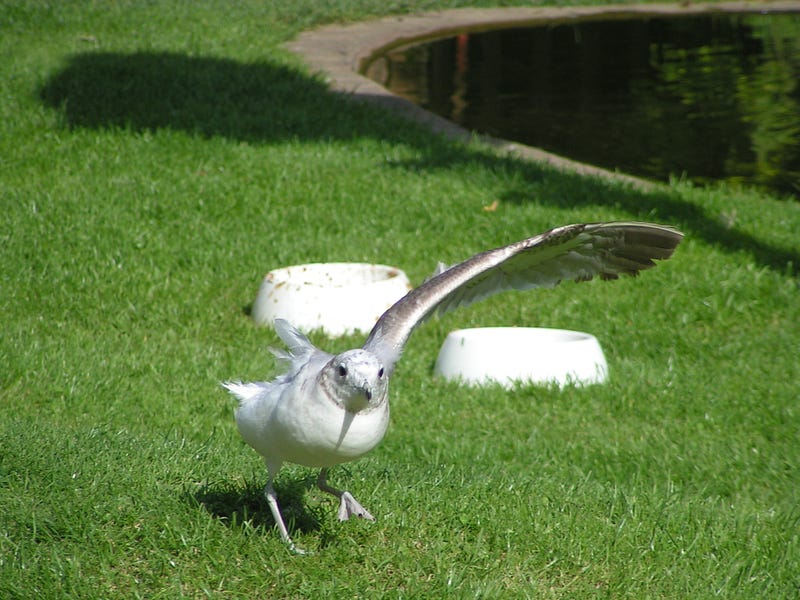
Not all the animals treated at Tiggywinkles are able to return to the wild, however. Some have disabilities and need extra care or protection from predators. There’s a three-legged hedgehog and a one-winged seagull among the permanent residents.
Meet the Residents
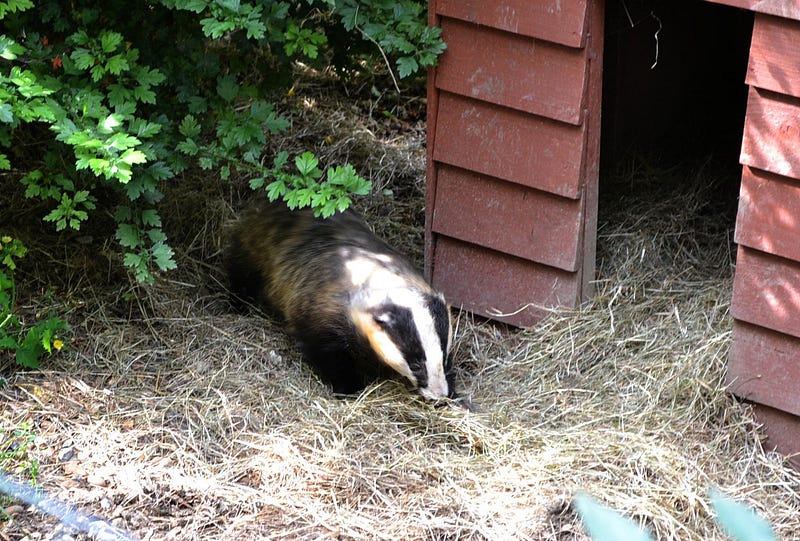
Mead is a badger who has lived at the sanctuary for years. He is elderly with severe cataracts. All of his canine teeth were broken and had to be removed to prevent dental problems and infection. So he lives at the sanctuary as he would be unable to forage properly in the wild.
His pal Dennis was kicked out of his sett when new cubs were due to be born. He had a broken jaw and had been hit by a car. Staff at St Tiggywinkles nursed him back to health and he now lives in the badger enclosure. His ordeal, the extent of his injuries, and his age meant he would have struggled to survive in the wild.
Other residents include domestic runner ducks who cannot fly, black-headed gulls who cannot fly, hedgehogs, deer, foxes, squirrels and amphibians.
Treating amphibian casualties was a huge challenge for staff at Tiggywinkles as there was no standard practice to follow. They developed pioneering procedures, treating toads, newts and frogs, and provided a benchmark for their treatment. Frogs and newts tend to get injured by garden equipment such as strimmers. Most amphibians that recover are returned to the wild but those who are disabled live in a sanctuary for amphibians at Tiggywinkles.
A member of staff explained: “Toads will travel huge distances to return to breeding ponds where they hatched. Unfortunately, many get run over by cars and although most are killed instantly, we have successfully treated many. Luckily for the toad, a lot of people now help to man crossing points in the spring, literally carrying toads across dangerous roads”.
Helping Rabbits
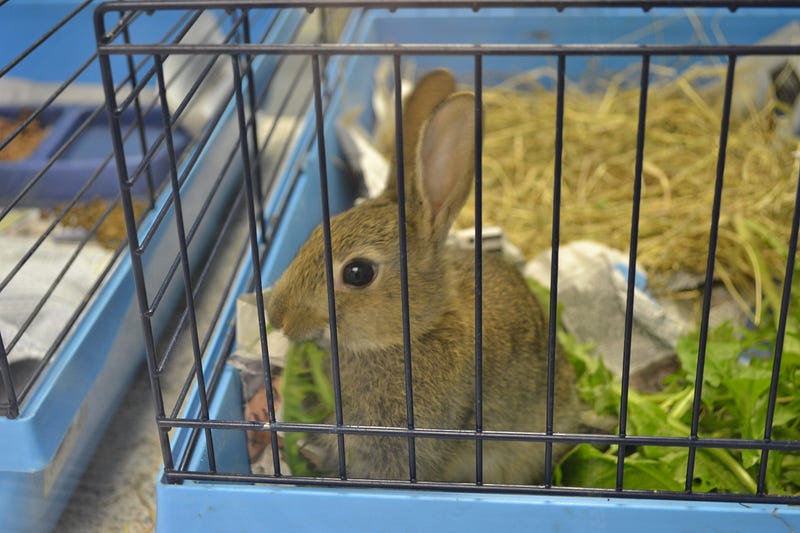
Rabbits are another common casualty, who suffer from road collisions and mixamatosis — a disease from which they may not always recover. Staff is keen to explain to visitors what to do if you find a wild rabbit in trouble: if you find an injured or diseased wild rabbit take particular care to support their hind legs as they have notoriously weak backs. A rabbit with a suspect spinal injury should have his whole body supported with a board and be taken to a wildlife hospital. An animal trapped in a snare or fence should also be taken to a hospital even if there are no obvious wounds.
The dedication of the team at Tiggywinkles is tremendous. The facility has grown from a garden shed in Aylesbury, set up in 1983, to a fully equipped hospital building with a sanctuary and visitor centre in nearby Haddenham. Almost forty years since the founder Les Stocker started treating animals from his home, the hospital now has a dedicated team of staff and volunteers to look after wildlife casualties around the clock.
Find out more: www.sttiggywinkles.org.uk
More from me…
- A Dog Photo Shoot: From Cuddly Bundles of Fun to Killers!
- Heroic Cats Save Owners from Fire, Detect Seizures, and Save Lives!
- Writing About Animals Can Be Good for your Mental Health
- Wildlife Heroes Provide a Sanctuary for Disabled Animals
- Would you like to read unlimited articles on Medium? Use my referral link!