avatarLucianoSphere (Luciano Abriata, PhD)

Summary

The article discusses the unexpected growth of tiny plants in an abandoned balcony pond, likely the offspring of a plant with white, hairy tips, and the author's contemplation on their fate.

Abstract

The author, Luciano Abriata, describes the serendipitous discovery of numerous small plants sprouting on the surface of a makeshift balcony pond. This pond, a plastic box filled with water, serves both aesthetic and practical purposes, particularly for watering plants during summer. The pond attracts birds and, until the water deteriorates in the summer heat, supports a lush setting with plants leaning towards the water. The focus of the article shifts from the pond itself to the sudden emergence of the tiny plants, which the author identifies as the progeny of a plant characterized by white, hairy flower tips. These hairs likely facilitate seed dispersal and rooting at the water's surface, as evidenced by observed roots. The author expresses curiosity and concern about the future of these seedlings, acknowledging the impracticality of transplanting them all and the lateness of the season for their development.

Opinions

  • The author values both the aesthetic and functional aspects of the balcony pond, appreciating its role in plant care and its attraction for local wildlife.
  • There is a sense of pride and fascination in the author's investigation and documentation of the plant life cycle occurring in the pond.
  • The author shows a keen interest in the natural world, as evidenced by the detailed observation and photography of the plants and their environment.
  • A tone of wonderment is present as the author ponders the fate of the new plant life, indicating a deep connection with and appreciation for the cycles of nature.
  • The author seems to be an advocate for DIY and sustainable practices, as suggested by the repurposing of a plastic box as a pond and the use of it for water conservation.
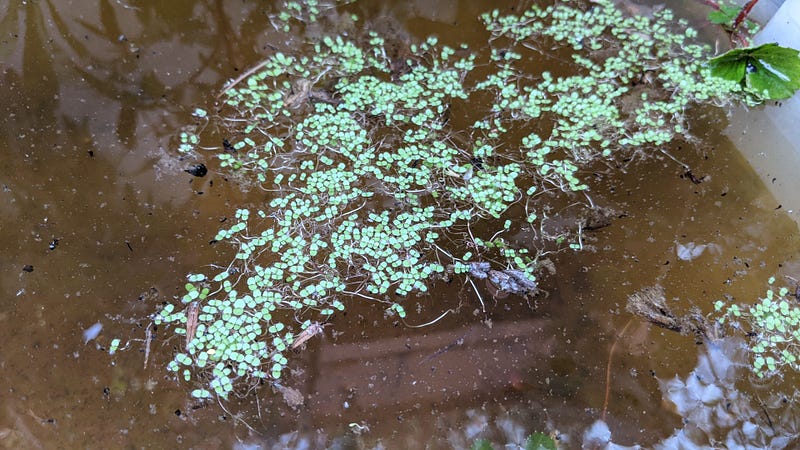
The newborns. Photo by author Luciano Abriata.

Wild seeds g(r)owing crazy in the abandoned pond

On my balcony, every spring I set up a “pond” which is nothing more than a plastic box that I fill up with water. More than an aesthetic role (it does look nice when I set it up for around 2 months, but then eventually gets messed up) it has the function of providing me with rapid, abundant access to water for watering my plants, especially in summer.

When it is nice, i.e. until the summer when the temperature is so high that the water goes bad quite rapidly, the plants around the pond lean into the water creating a quite nice setting. Birds know about it too, and a few weeks after I set up the pond they begin to visit it very often. I guess they see it once and then just remember there’s a stop with free drinks. I will document a nice-looking “balcony pond” with photos when I set it up again, next year.

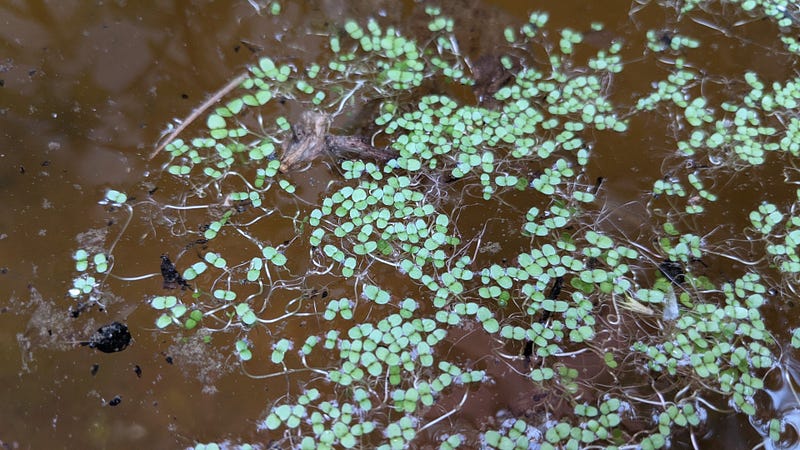
But this story is not about the plastic pond. Rather, it is about the sudden appearance, today, of a large number of tiny plants floating on the surface of the water. See this shot from above:
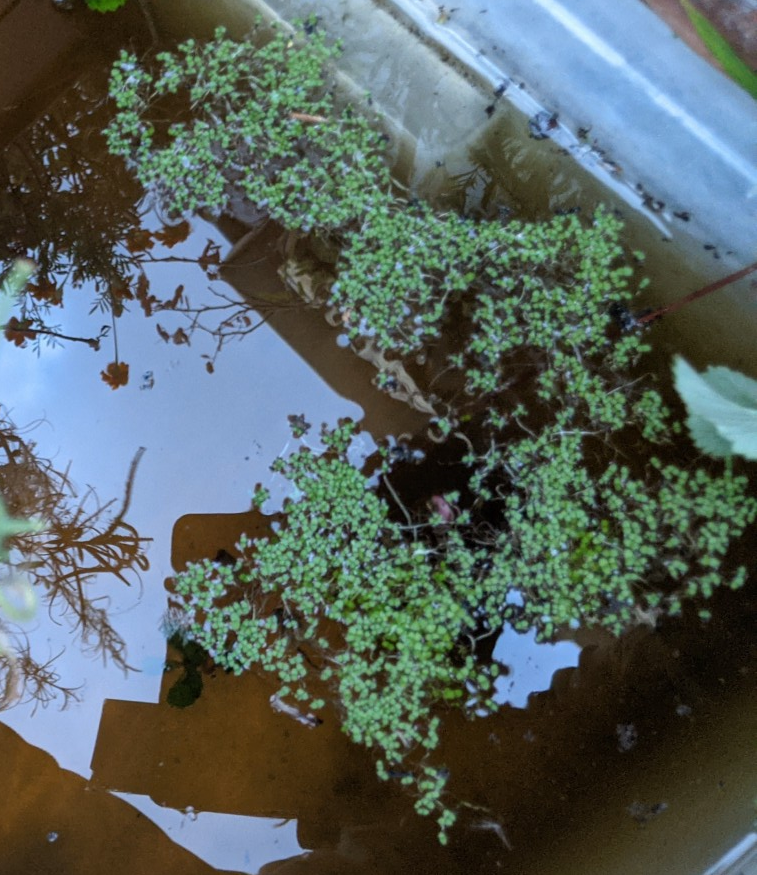
View from the top. Photo by author Luciano Abriata.

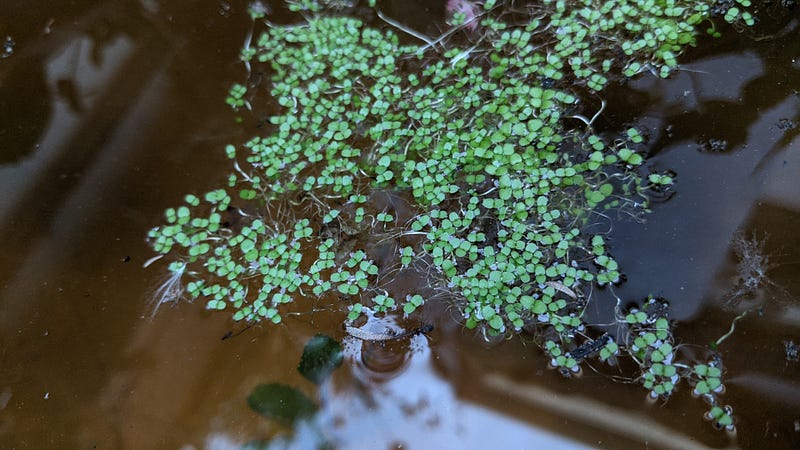
And this closer view:

Close up on an island of newborns, from the side. Photo by author Luciano Abriata.

What are these tiny plants?

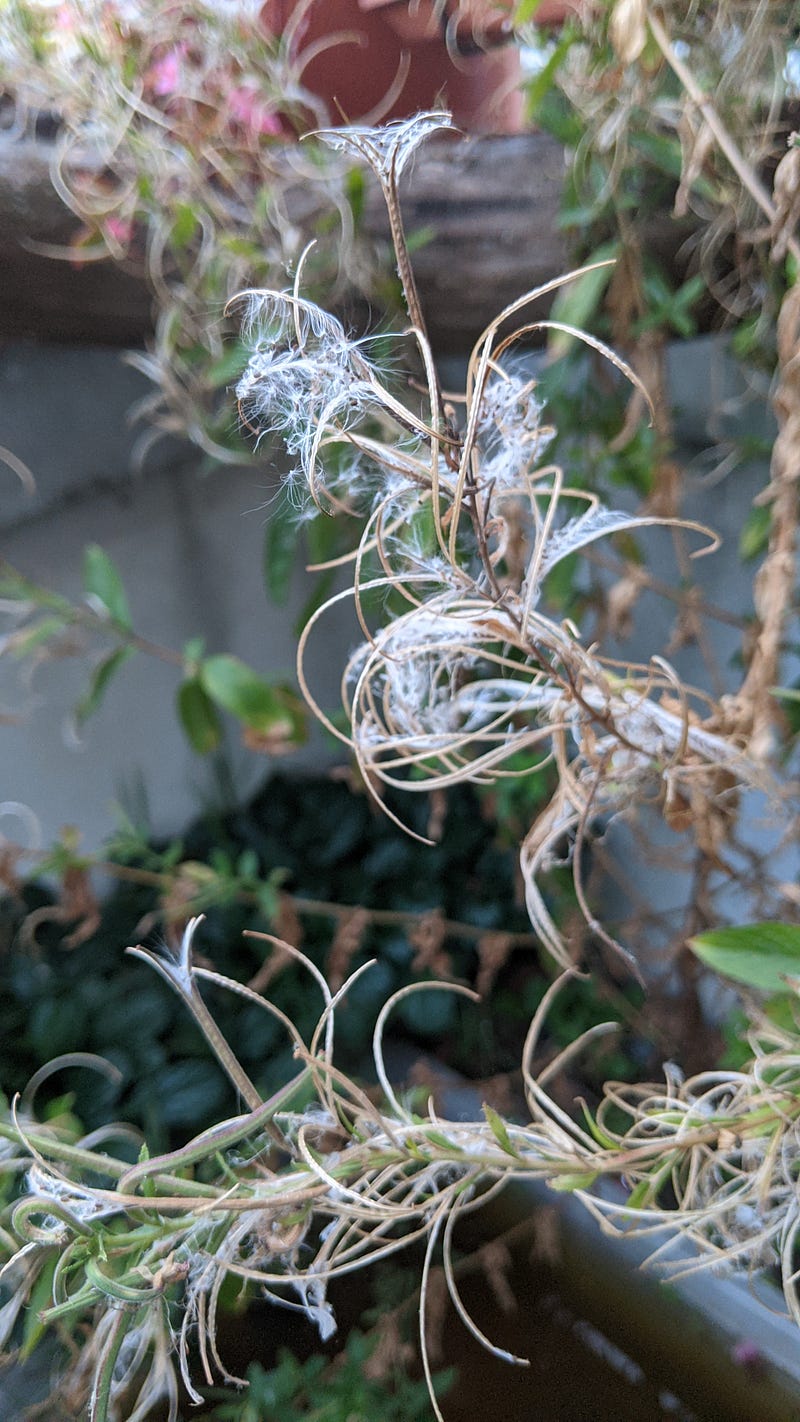
I did a bit of investigation, and I’m quite sure they are the descendants of the plant with white soft “hair” at its tips, that you can see in the next three photos. These tips were flowers a few weeks ago; and the soft hairs probably carry the seeds, that in lack of wind just fall to the water:
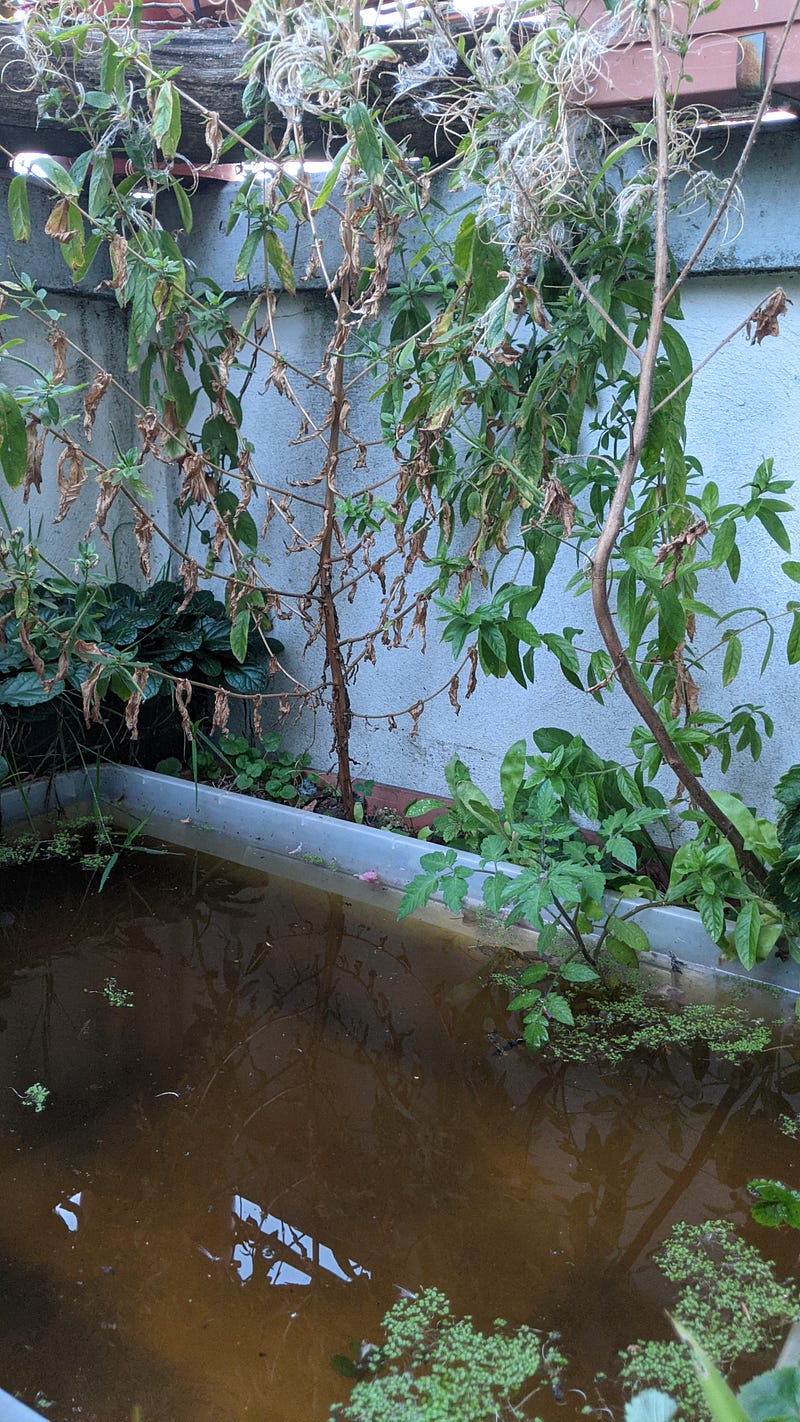
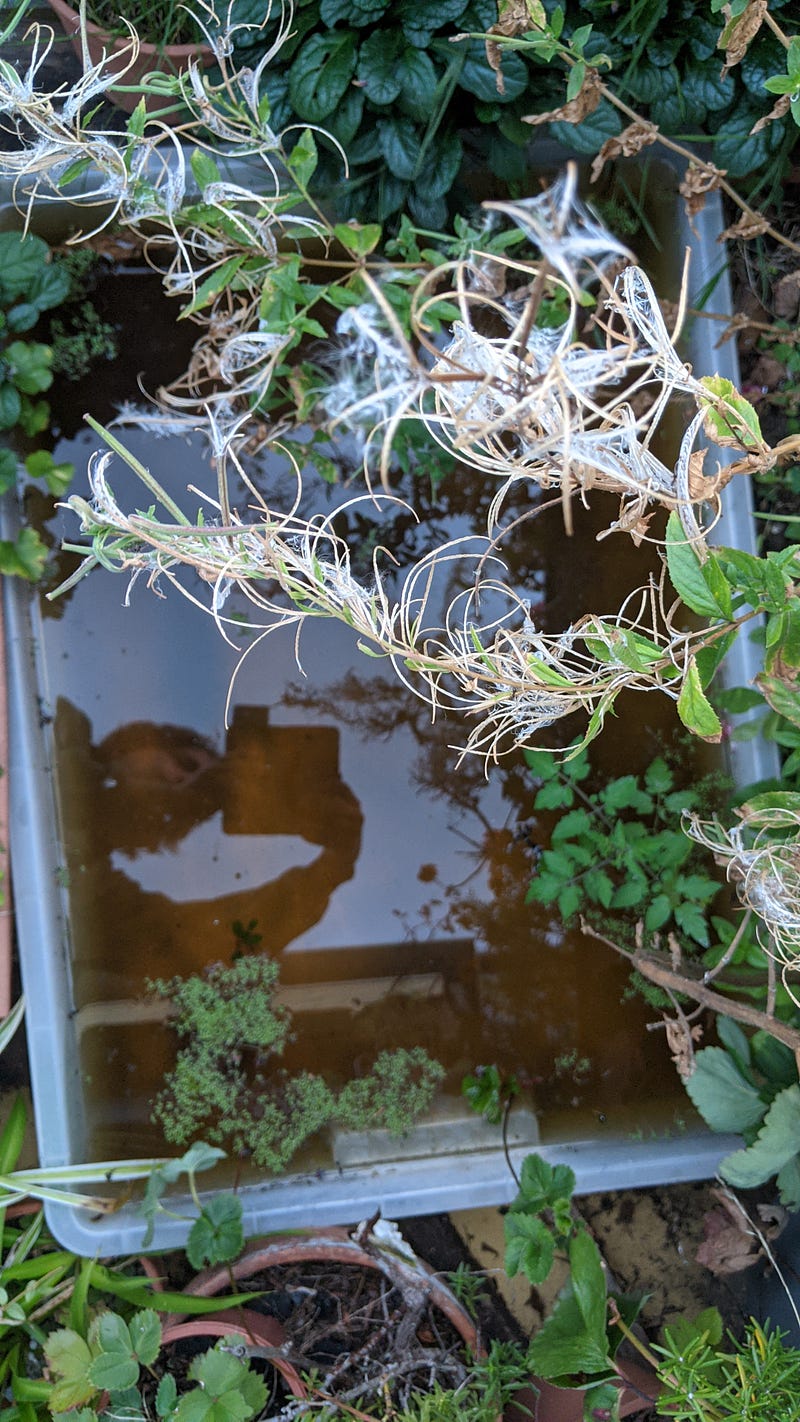
I think that’s the parent mother. Photo by author Luciano Abriata.

In fact, giving a closer look at the tiny plants from the side, some white hairs are visible. Probably these hairs float on the surface allowing the seeds to root just at the water-air interface. You can even see some small roots:
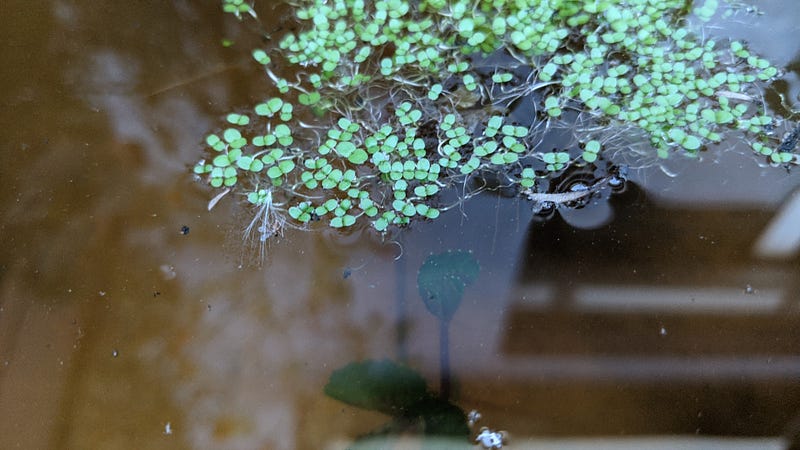
A close look from the side, to see those white soft hairs. Photo by author Luciano Abriata.
Another view with a better angle, where you can even see some small roots projecting down. Photo by author Luciano Abriata.

But I cannot help wondering… What will happen to them? I cannot plant them all in pots, and anyway it’s already too late this year for them to develop.

I am a nature, science, technology, programming, and DIY enthusiast. Biotechnologist and chemist, in the wet lab and in computers. I write about everything that lies within my broad sphere of interests. Check out my lists for more stories. Become a Medium member to access all stories by me and other writers, and subscribe to get my new stories by email (original affiliate links of the platform).

Gardening
Nature
Photography
Life
Parenting
Recommended from ReadMedium