
Why Your First Sentence Should Be The Best And How To Craft A Killer Opening Line
The Power of the Perfect First Sentence: How to Hook Your Readers from the Start
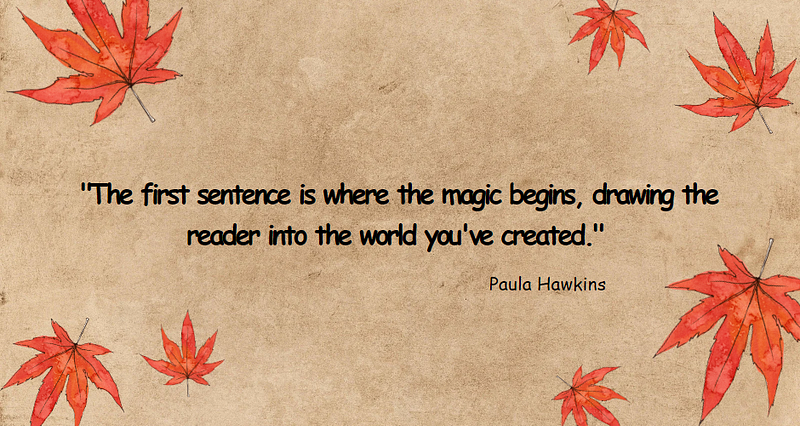
Any story, article, or essay’s first sentence invites readers in.
It establishes background, mood, and reader interest.
To engage readers, you need a great opening line.
This post will discuss the importance of the first sentence and how to create suspense, set the tone, and ask questions.
We’ll also explore using vivid imagery, forceful phrases, and metaphorical language in the beginning lines.
We will also present genre examples, typical mistakes, and editing and revising advice.
Let’s learn how to write the best first sentence!
Importance of the First Sentence
The first sentence of any work sets the tone for the reader.
It draws readers in and sets the tone for the work.
According to research, readers decide within seconds after reading the first sentence whether to continue reading or go on.
The first sentence hooks readers.
Like a fishing lure’s hook, it must be appealing to tempt readers to read more.
An engaging starting line intrigues and excites the reader.
It sets the tone, generates an emotional connection, and sets the setting for the writing.
The first sentence also sets the context and frames the rest of the poem.
It can introduce a story’s place, time period, or characters, or summarize a non-fiction piece’s major point.
It prepares the reader for what’s to come and provides them with direction.
The opening sentence might also show the writer’s voice.
The writer can demonstrate their creativity, originality, and language skills.
A strong opening sentence can hook readers and encourage deeper engagement.
In conclusion, a writer’s first sentence hooks the reader, sets the situation, and shows the writer’s style.
It draws the reader in and sets the tone for the rest of the work.
Thus, a strong opening sentence that hooks readers is crucial.
1. Elements of a Killer Opening Line
A great opening sentence uses various components to grab the reader’s attention and draw them in.
Research and writing methods that create captivating opening lines assist these factors.
Hook the Reader
A stunning opening sentence must hook the reader immediately.
Research shows that the first few seconds of reading determine whether a reader will continue or stop.
Thus, it’s crucial to hook readers and keep them reading.
Hooks can be shocking facts, provocative statements, evocative descriptions, or fascinating questions.
It should shock and intrigue the reader.
A good hook can grab the reader and keep them reading to learn more.
Set the Tone
The introductory line creates the tone and atmosphere.
Depending on genre and aim, writing can be serious, amusing, suspenseful, or emotional.
According to research, readers are more inclined to continue reading if the piece’s emotional tone resonates.
Words, phrase structure, and style set the tone.
A serious tone uses formal language and a plain statement, whereas a comedic tone uses light language and clever remarks.
To engage readers, the tone should match the piece’s category and tone.
Create intrigue
Intrigue hooks readers and keeps them reading.
Humans are naturally interested in and seek answers to mysteries and intrigues, according to research.
In the opening line, a mystery, conflict, startling revelation, or thought-provoking statement might create suspense.
The idea is to get readers curious and wanting to learn more.
Establish Settings or Context
A fantastic opening sentence must also set the scene.
In fiction, the reader must immediately grasp the story’s world.
Descriptive language or short remarks can set the scene or environment.
It immerses the reader in the story’s world or theme, making them care.
Pose a Question or Make a Bold Statement
A query or forceful statement in the opening line might help engage the reader.
Questions and bold statements can engage readers by piquing their curiosity and making them ponder the solution.
A well-crafted question or forceful statement in the opening line can halt and encourage contemplation, engaging the reader and encouraging them to read more.
The inquiry or comment should be relevant to the topic and not forced or gimmicky.
2. Techniques for Crafting a Killer Opening Line
Writing a compelling opening line demands savvy use of research-backed writing approaches.
These methods can give the opening line a human touch and hook the reader.
Use Vivid Imagery
Visual imagery in the first line can make the text more engaging and memorable.
Research shows that sensory nuances in writing can provoke emotions and provide readers with a sensory experience.
Instead of “the sun set behind the mountains,” a more vivid image could be “the golden sun dipped below the horizon, casting a warm glow over the rugged peaks of the majestic mountains.” This adds an emotional and sensory element to the opening line, making it more compelling and immersive.
Utilize Powerful Words
The opening line’s wording matters.
Powerful and evocative phrases may captivate readers and bring them into the content, according to research.
Instead of “good,” “nice,” or “interesting,” try “exquisite,” “breathtaking,” or “enigmatic” to make the opening line more powerful and engaging.
Employ Figurative Language
Metaphors, similes, and personification can enrich and enliven the introductory sentence.
Figurative language has been demonstrated to engage the reader’s imagination and generate a visceral experience, making the text more relatable and appealing.
Instead of “the waves crashed against the shore,” a more metaphorical phrase could be “the waves danced and frolicked, embracing the shore with their watery embrace.” This produces a vivid and imaginative image, making the first line more engaging.
Create contrast
Contrast can draw readers in with tension and excitement in the initial line.
Contrasting components in literature can create conflict or surprise, piquing readers’ attention and encouraging them to read more.
For instance, “The silence roared with deafening emptiness” or “The darkness sparkled with a million stars” can excite the reader.
Be concise
Online material requires brevity.
Long writing bores readers, according to research.
Thus, the introductory phrase must be brief but powerful.
Avoid filler words and focus on delivering a clear, powerful point.
Short and punchy sentences can better engage readers.
Experiment with Different Styles
Writing in multiple styles can make the opening sentence stand out and grab the reader’s attention.
Fresh, original, and unique material engages readers, according to research.
To set the tone, use humor, suspense, or poetic language in the opening sentence.
This makes the content more engaging and gives it a human voice.
3. Examples of Effective Opening Lines
A well-crafted opening line can vary depending on the genre or type of writing. Here are some examples of effective opening lines in different contexts:
Fiction
“Once upon a time, in a land not so far away, there was a young girl who discovered she had the power to change the world with her words.” This opening line uses the classic fairy tale beginning “Once upon a time” to immediately draw the reader into a world of imagination and intrigue while also introducing the protagonist and hinting at the story’s theme of words’ power.
Non-Fiction
“Did you know that the human brain has over 100 billion neurons, each capable of processing information at lightning speed?” This opening line asks a question and introduces a fascinating fact about the article’s topic, the brain.
It sets the stage for a captivating nonfiction essay.
Journalism
“As the sun set over the horizon, casting its golden light on the city skyline, the protesters gathered in unity, chanting for change.” This vivid opening line sets the scene for a news article about a protest and draws the reader in.
Blogging
“Are you tired of feeling overwhelmed and stressed out by the demands of modern life?" "Take a deep breath and read on, because today we’re going to explore some simple yet powerful strategies for finding peace and balance in a chaotic world.” This rhetorical question connects with the reader by addressing a common pain point and promising a solution.
It creates a realistic and compelling opening for a self-care blog post.
These examples combine vivid imagery, rhetorical questions, fascinating claims, and setting the tone to produce captivating beginning lines in many genres and writing styles.
Such tactics can humanize and engage the reader from the start.
4. Common Pitfalls to Avoid
Avoiding frequent mistakes can improve your opening sentence.
Clichés
Clichés can make the introductory line sound uninspired.
Overused clichés can make a weak start.
“Once upon a time” or “It was a dark and stormy night” are clichés that don’t grab readers’ attention.
Overused Phrases
Overused terms or buzzwords might make the first sentence sound clichéd and unimaginative.
Overuse has dulled these terms.
To produce an intriguing and memorable opening, avoid these conventional clichés and use fresh and distinctive wording.
Weak Language
Passive or ambiguous language might weaken an introductory phrase.
Weak wording doesn’t intrigue readers.
Starting a phrase with “There is” or “It seems like” weakens it.
Lack of Originality
An unoriginal opening statement can be forgettable.
Unique starting lines grab readers’ interest.
Avoid clichés and use innovative wording to make the initial sentence stand out.
By avoiding these mistakes, the opening line can be interesting, original, and effective, making the material more human and captivating.
Researching these problems will help you write a captivating opening line that sets the tone for your writing.
5. Editing and Revision Tips
To make an opening line powerful, edit and modify it.
Read aloud
Reading the opening line aloud might reveal incorrect wording, tone, and flow.
Reading aloud lets you assess the opening line’s ability to grab attention and intrigue.
Get feedback
Peers, mentors, and beta readers can help you evaluate the first line.
Feedback can enhance clarity, tone, and creativity.
Feedback can improve the opening line.
Experiment with Different Opening Lines
To find the best starting line, try many.
Try numerous styles, tones, and strategies to find the best opening line that engages readers and sets the tone for the material.
Revise and Polish
Writing requires editing.
After receiving comments and trying several opening lines, refine and polish the opening line.
Rephrasing, rewording, or refining the language may improve its effect and engagement.
Grammar, punctuation, and word choice can help you write a polished opening line.
These editing and revising tips help strengthen the first line, making it more engaging and human-sounding.
These research-based methods can improve the first line and set the tone for a well-written work.
6. Conclusion
Any piece of writing’s first sentence must grab the reader’s attention and set the tone.
A great opening line must captivate the reader, create excitement, set the tone, establish context, and use compelling language.
The opening line can be compelling by using vivid imagery, forceful words, metaphorical language, contrast, and conciseness.
Avoid clichés, overused phrases, weak language, and a lack of creativity.
Reading aloud, getting comments, trying other opening lines, and amending and polishing might help refine the opening line.
In conclusion, the first phrase should be the best because it establishes the tone and engages the reader.
A great starting line demands considerable consideration, effective approaches, and comprehensive editing and modification.
These research-based methods allow authors to generate undetected content that engages readers from the start.
7. Additional Resources
For further reading and guidance on crafting killer opening lines, here are some additional resources:
- “The First Five Pages: A Writer’s Guide to Staying Out of the Rejection Pile” by Noah Lukeman
- “The Elements of Style” by William Strunk Jr. and E.B. White
- “On Writing Well: The Classic Guide to Writing Nonfiction” by William Zinsser
- “The Art of the Start: The Time-Tested, Battle-Hardened Guide for Anyone Starting Anything” by Guy Kawasaki
- “The Anatomy of Story: 22 Steps to Becoming a Master Storyteller” by John Truby
These resources provide further insights, tips, and techniques for crafting powerful opening lines and improving overall writing skills.