avatarGeorge J. Ziogas

Free AI web copilot to create summaries, insights and extended knowledge, download it at here

1666

Abstract

or someone to use the term ‘narcissist’ to describe an ex who hurt them. Nor is it unusual to meet accusations of narcissism or <a href="https://www.psychologytoday.com/au/basics/psychopathy">psychopathy</a> when you fail to behave as others expect. Here’s why it’s unwise to label other people in such ways.</p><h2 id="2a07">How Much Expertise Do You Have?</h2><p id="dd42">Are you a trained psychiatrist, psychologist, or mental health worker? Unless you’re a mental health expert, you can’t accurately diagnose personality disorders in other individuals, no matter how much casual reading you’ve done on the topic.</p><p id="422a">If another person has caused you emotional pain, you’re within your rights to keep your distance from them. However, unless you’re an expert, it’s probably wise to avoid accusing others of having a personality disorder because you may be incorrect.</p><h2 id="ca4d">The Other Person Feels Unworthy of Love</h2><p id="9734">When you call someone else ‘toxic’ or something similar in an argument or after ending a relationship, they might feel unworthy of love or respect because of the words you used about them. Words such as ‘poisonous’ or ‘venomous’ are synonyms of ‘toxic.’ These words are brutal and can easily hurt the person you apply them to. Hearing such words used to describe you can massively damage self-esteem, especially if they come from a loved one. To avoid hurting others, keep unkind adjectives out of your mouth. They’re just as abusive as nasty nouns.</p><h2 id="1b66">Everyone Is Toxic</h2><p id="9f3a">In truth, all humans have flaws. Toxic traits are any behaviors that hurt others, however subtly. Selfishne

Options

ss, for example, is a destructive trait. If you have harmful traits like everyone else, isn’t it hypocritical to point them out in others? Before you can criticize others for wronging you, you should be above reproach. Nobody is above reproach. Such is the human condition.</p><h2 id="3726">Work On Yourself</h2><p id="ab5e">You can continue to draw attention to the imperfections in other people when things go wrong, or you can look at the harmful aspects of your character and work on improving them. You’ll evolve as a human faster if you choose the latter option. If you continue to point out the wrongs in others while doing nothing to address your imperfections, others will ultimately notice and react accordingly.</p><h2 id="edd7">It Is Fine to Take Breaks</h2><p id="e7da">It’s unwise to use unpleasant adjectives such as ‘toxic’ or nouns such as ‘narcissist’ about people either directly or behind their back to others. However, you can always take breaks from other people when being around them is generally painful or unpleasant.</p><p id="a7b5">Similarly, you have the right to stop being around another person altogether if you feel that the relationship between you isn’t healthy. Nothing obliges you to be around people you dislike, no matter their role. You can even avoid your own mother if you feel her company damages your mental health.</p><h2 id="9084">Better Relationships</h2><p id="a0d2">You don’t have to acknowledge the suggestions presented here. However, your life will probably be happier if you do. Your relationships with others will improve if you make nasty names and unpleasant adjectives a thing of the past.</p></article></body>

Why You Shouldn’t Label Everyone You Dislike as Toxic

Why calling someone else toxic or saying they’re a narcissist is a terrible idea
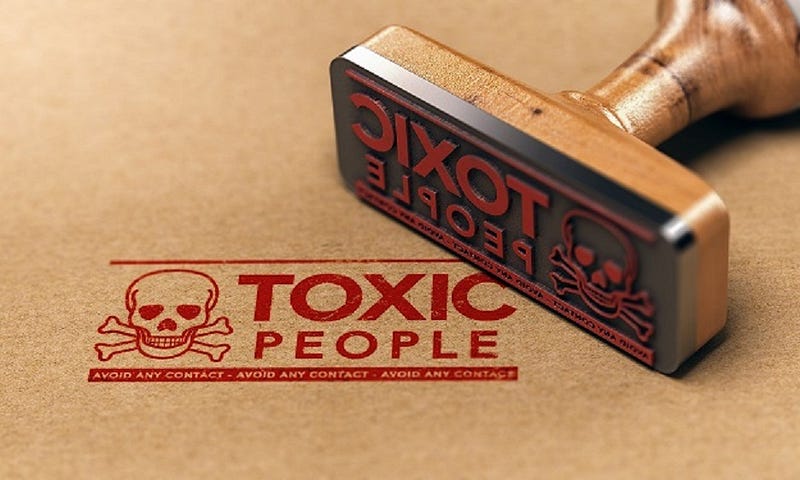
© Olivier Le Moal / Adobe Stock

Toxic,’ ‘narcissistic,’ and ‘narcissist’ are popular themes for articles you might find on social media sites. In modern society, it’s not uncommon for someone to use the term ‘narcissist’ to describe an ex who hurt them. Nor is it unusual to meet accusations of narcissism or psychopathy when you fail to behave as others expect. Here’s why it’s unwise to label other people in such ways.

How Much Expertise Do You Have?

Are you a trained psychiatrist, psychologist, or mental health worker? Unless you’re a mental health expert, you can’t accurately diagnose personality disorders in other individuals, no matter how much casual reading you’ve done on the topic.

If another person has caused you emotional pain, you’re within your rights to keep your distance from them. However, unless you’re an expert, it’s probably wise to avoid accusing others of having a personality disorder because you may be incorrect.

The Other Person Feels Unworthy of Love

When you call someone else ‘toxic’ or something similar in an argument or after ending a relationship, they might feel unworthy of love or respect because of the words you used about them. Words such as ‘poisonous’ or ‘venomous’ are synonyms of ‘toxic.’ These words are brutal and can easily hurt the person you apply them to. Hearing such words used to describe you can massively damage self-esteem, especially if they come from a loved one. To avoid hurting others, keep unkind adjectives out of your mouth. They’re just as abusive as nasty nouns.

Everyone Is Toxic

In truth, all humans have flaws. Toxic traits are any behaviors that hurt others, however subtly. Selfishness, for example, is a destructive trait. If you have harmful traits like everyone else, isn’t it hypocritical to point them out in others? Before you can criticize others for wronging you, you should be above reproach. Nobody is above reproach. Such is the human condition.

Work On Yourself

You can continue to draw attention to the imperfections in other people when things go wrong, or you can look at the harmful aspects of your character and work on improving them. You’ll evolve as a human faster if you choose the latter option. If you continue to point out the wrongs in others while doing nothing to address your imperfections, others will ultimately notice and react accordingly.

It Is Fine to Take Breaks

It’s unwise to use unpleasant adjectives such as ‘toxic’ or nouns such as ‘narcissist’ about people either directly or behind their back to others. However, you can always take breaks from other people when being around them is generally painful or unpleasant.

Similarly, you have the right to stop being around another person altogether if you feel that the relationship between you isn’t healthy. Nothing obliges you to be around people you dislike, no matter their role. You can even avoid your own mother if you feel her company damages your mental health.

Better Relationships

You don’t have to acknowledge the suggestions presented here. However, your life will probably be happier if you do. Your relationships with others will improve if you make nasty names and unpleasant adjectives a thing of the past.

Relationships
Self Improvement
Psychology
Advice
Self
Recommended from ReadMedium