avatarKesh Anand

Free AI web copilot to create summaries, insights and extended knowledge, download it at here

1699

Abstract

">Just today I’ve seen this pattern play out three times in three different shows.</p><h1 id="b39b">An example</h1><p id="f956">The latest instance was in a cartoon (I think it was called Baby Muppets), whereby one of the characters, Gonzo, became obsessed with racing. He then organised a race with all his friends and basically cheated to win.</p><p id="1fd8">At the eleventh hour, he realised the hollow nature of his victory and went back to help all his friends/competitors whom he waylaid earlier on.</p><p id="8de5">The lesson here was that whilst it was important to try and win, one should not lose sight of the big picture and make sure they play fairly, and that his friendships were more important than winning.</p><h1 id="75e3">The moral of this post</h1><p id="fc77">Now — had we interrupted our children’s viewing of this show partway through — they would’ve been left with a view that winning at any cost was the thing to do.</p><p id="3cbd">Without the appropriate moral closing at the end of the episode — the exact opposite message to the one that was intended by the producer would have been implanted into the viewer’s minds.</p><figure id="0a4c"><img src="https://cdn-images-1.readmedium.com/v2/resize:fit:800/0*gZEJohmLhwaKPoFc"><figcaption>Even Heros need a moral compass || Photo by <a href="https://unsplash.com/@roadtripwithraj?utm_source=medium&amp;utm_medium=referral">Raj Eiamworakul</a> on <a href="https://unsplash.com?utm_source=medium&amp;utm_medium=referral">Unsplash</a></figcaption></figure><p id="b812">Kids’ shows are designed to be consumed as entire units — and are usually relatively short to boot.</p><p id="2806">Dropping in and out of them midway through

Options

can imbibe your children with anti-social behaviours.</p><p id="941e">So next time you’re about to turn off the TV when the kids are glued to it — check to make sure that you are doing it at an appropriate point in the storyline; if not — just give it a couple more minutes.</p><p id="4c78">You may also like:</p><div id="1ce3" class="link-block"> <a href="https://medium.com/@rakesh.anand/what-is-your-identity-and-how-much-can-you-pass-on-d8c4a51bf456"> <div> <div> <h2>What is your identity, and how much can you pass on?</h2> <div><h3>People identify in different ways. It may be through:</h3></div> <div><p>medium.com</p></div> </div> <div> <div style="background-image: url(https://miro.readmedium.com/v2/resize:fit:320/1*KD8IVulQayBy-FM3qtTl4A.png)"></div> </div> </div> </a> </div><div id="8e0b" class="link-block"> <a href="https://readmedium.com/why-were-the-malayan-emergency-and-vietnam-war-so-different-40bfccb424c7"> <div> <div> <h2>Why were the Malayan Emergency and Vietnam War so different?</h2> <div><h3>One was a communist victory with a great many dead and televised across the world; the other a half-forgotten police…</h3></div> <div><p>medium.com</p></div> </div> <div> <div style="background-image: url(https://miro.readmedium.com/v2/resize:fit:320/1*pkDuwy3zEzni8EHKTfdcBA.jpeg)"></div> </div> </div> </a> </div></article></body>

Interrupt your kids while they are watching a TV show? That’s dangerous parenting.

Kids’ shows end with a moral lesson. Turning off the telly midway teaches them about the moral failure — but not its consequences
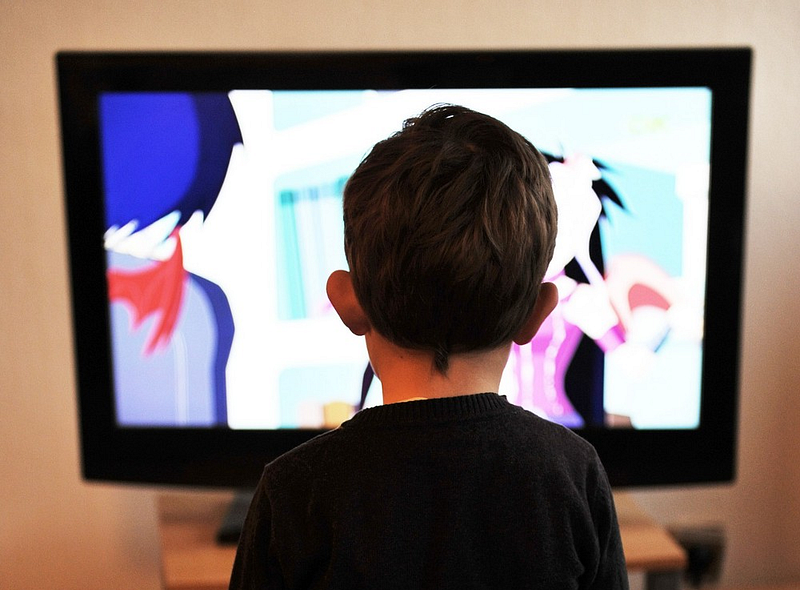
Credit: Image by Vidmir Raic from Pixabay

We’ve all done it. Plonked the kids in front of the TV for a few minutes to temporarily lobotomise them so we can focus on getting through a quick (or not so quick) task such as doing the dishes, or getting dressed.

Then once complete, we just as abruptly storm into the room and turn it off mid-episode.

Apart from being unimaginably rude and disrespectful (can you imagine doing this to an adult), it can also inadvertently set your child down the path of villainy.

You see — kids’ shows often follow a certain structure. First, they set up a situation where the protagonist faces a key test of character which they first fail; then after finding their actions leave them feeling hollow or empty, they eventually rise to meet the moral challenge. Following this, a reflection occurs and a “moral of the story” is relayed to both the protagonist and of course the viewer.

Just today I’ve seen this pattern play out three times in three different shows.

An example

The latest instance was in a cartoon (I think it was called Baby Muppets), whereby one of the characters, Gonzo, became obsessed with racing. He then organised a race with all his friends and basically cheated to win.

At the eleventh hour, he realised the hollow nature of his victory and went back to help all his friends/competitors whom he waylaid earlier on.

The lesson here was that whilst it was important to try and win, one should not lose sight of the big picture and make sure they play fairly, and that his friendships were more important than winning.

The moral of this post

Now — had we interrupted our children’s viewing of this show partway through — they would’ve been left with a view that winning at any cost was the thing to do.

Without the appropriate moral closing at the end of the episode — the exact opposite message to the one that was intended by the producer would have been implanted into the viewer’s minds.
Even Heros need a moral compass || Photo by Raj Eiamworakul on Unsplash

Kids’ shows are designed to be consumed as entire units — and are usually relatively short to boot.

Dropping in and out of them midway through can imbibe your children with anti-social behaviours.

So next time you’re about to turn off the TV when the kids are glued to it — check to make sure that you are doing it at an appropriate point in the storyline; if not — just give it a couple more minutes.

You may also like:

Kids
Children
Parenting
Society
Life
Recommended from ReadMedium